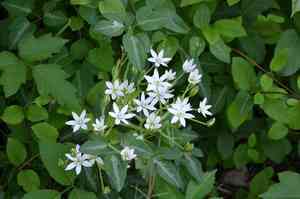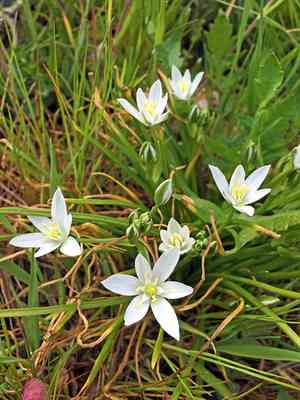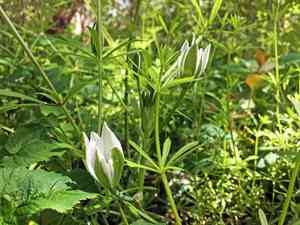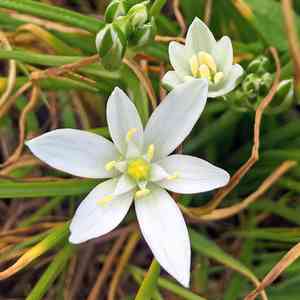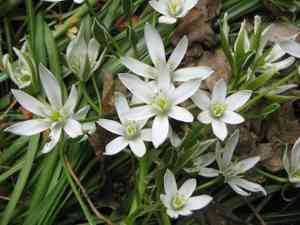
Garden star-of-bethlehem(Ornithogalum umbellatum)

Garden star-of-bethlehem (Ornithogalum umbellatum)

Also known as: Nap-at-noon, Sleepydick

Garden star-of-Bethlehem, a bulbous plant known for its late spring blooms, is often grown for its ornamental appeal. However, it carries several risks:

1. **Toxicity**: The plant is poisonous to humans and animals if ingested, posing health hazards.
2. **Invasiveness**: It spreads rapidly, potentially overtaking garden spaces and outcompeting native flora, making it difficult to manage.

Due to these concerns, it's advisable to consider other, less problematic plants for your garden.

Attributes of Garden star-of-bethlehem

Lifespan
Perennial
Plant Type
Herb
Plant Height
10 cm to 30 cm
Spread
10 cm to 15 cm
Leaf Color
Green
Flower Size
1.5 cm to 2 cm
Flower Color
White Green

PlantJoy - Identify plants with a snap

Identify and diagnose plants, get toxicity alerts, and explore safety guides for all types of fungi.

Try for Free

Images of Garden star-of-bethlehem

Garden star-of-bethlehem(Ornithogalum umbellatum)

Quickly Identify Garden star-of-bethlehem

1
Star-shaped white blooms with green stripe on petals
2
Flowers measure 1 inch (2.5 cm) in diameter
3
Thrives in full sun to 25% shade
4
Drought-tolerant in summer, needs consistent moisture when growing
5
Bulbs planted 5 inches (12.7 cm) deep, spaced 2-3 inches (5-7.6 cm) apart

Scientific Classification of Garden star-of-bethlehem

Phylum
Vascular plants
Class
Monocotyledons
Order
Asparagales
Family
Asparagus
Genus
Star-of-bethlehem
Species
Garden star-of-bethlehem

Planting and Growing of Garden star-of-bethlehem

Care Difficulty
Easy
Watering Schedule
Every 2 days
Sunlight Requirements
Partial sun
Sunshine Duration
4-8 hours
Ideal Temperature
60-70℉
Soil Type
Potting Mix, Peat Mix
Soil pH
6.5-7.5
Fertilizer Type
Balanced
Pruning Season
Spring, Summer
Pruning Area
Branches, Leaves
Pruning Frequency
Once a year
Repotting Season
Spring
Pot Type
Plastic, Ceramic

water icon How to Water Garden star-of-bethlehem?

When watering Ornithogalum umbellatum, ensure the soil is moist but not waterlogged. Pour approximately 250 ml of water until the soil is evenly damp, allowing excess water to drain. This helps in providing enough moisture without drowning the roots.
What are the symptoms of an underwatered Garden star-of-bethlehem?
What should I do if my Garden star-of-bethlehem is not getting enough water?
What are the symptoms of an overwatered Garden star-of-bethlehem?
How to save an overwatered Garden star-of-bethlehem?
More About Watering Techniques

sunlight icon What Are the Sunlight Requirements for Garden star-of-bethlehem?

Sunlight Requirements: Partial sun
Duration of light: 4 to 6 hours
Partial sun or filtered sunlight is ideal for the plant. Under these conditions, the plant can photosynthesize efficiently, producing lush foliage and starry white flowers, enhancing both its health and beauty.
How much sunlight does it need?
How do you provide ideal lighting?
What are the benefits of ideal lighting?
More About Sunlight Requirements Techniques

temperature icon What Is the Ideal Temperature Range for Garden star-of-bethlehem?

Ideal Temperature: 60 ~ 70℉
What is the ideal temperature range for the growth of Ornithogalum umbellatum? The plant thrives best in a temperature range of 60°F to 70°F. This range allows the plant to photosynthesize efficiently and grow robustly. Maintaining this ideal range helps ensure the leaves remain green and healthy.

soil icon What Soil is Best for Garden star-of-bethlehem?

Soil type: Loam, Sandy loam, Calcareous soil
Soil PH: 6.5 ~ 7.5
Ornithogalum umbellatum thrives best in well-draining soil that prevents water from stagnating around its roots. This mimics its natural habitat, encouraging healthy root growth and preventing root rot. Ensure the soil has adequate nutrients to support the plant's growth. Adding organic matter or mild fertilizers can enhance the soil fertility, promoting lush foliage and robust flowers. The soil should retain enough moisture to keep the bulbs hydrated but not so much that they are waterlogged. This balance helps in maintaining healthy, vibrant blooms. More About Soil

fertilize icon How to Fertilize Garden star-of-bethlehem?

Fertilizer type: Balanced
Ornithogalum umbellatum, also known as the Star of Bethlehem, doesn't need excessive fertilization. A balanced, diluted liquid fertilizer applied monthly works well. Use half the dosage recommended on the package to avoid nutrient burn, especially during the active growing season. More About Fertilizing Techniques

prune icon How to Prune Garden star-of-bethlehem?

Pruning Time: Spring, Summer
Begin by identifying and removing dead or yellowing leaves. This cleanup not only improves the plant's appearance but also reduces the risk of pest infestations and diseases that thrive in decaying matter. After flowering, cut back the flower stalks to the base. This step prevents the plant from wasting resources on seed production and directs its energy towards the development of stronger roots and foliage. To maintain a tidy appearance, trim back overgrown areas that could overshadow other parts of the plant. This shaping allows light and air to circulate freely, promoting a healthier growth environment. More About Pruning Techniques

propagate icon How to Propagate Garden star-of-bethlehem plant?

Propagate Time: Early spring, Late spring
1
Allow the plant to flower and set seed. Once the seed pods are dry, collect them for planting. Ensure seeds are mature for better germination rates.
2
Before planting, prepare well-drained soil by incorporating organic material. This step is crucial to provide the seeds or bulbs with essential nutrients and good aeration.
3
Plant bulbs with the pointed end up and seeds just below the soil surface. Ensure they are adequately spaced to allow for growth. Lightly cover with soil and water gently.
More About Propagating Techniques

repot icon How to Repot Garden star-of-bethlehem plant?

Repotting frequency: Every 2-3 years
1
Ornithogalum umbellatum should be repotted when its roots outgrow the current pot, or if the soil has degraded significantly. Signs that it's time to repot include roots poking through drainage holes, compacted soil that retains water, or stunted growth despite adequate sunlight and watering. Springtime, just before the growing season begins, is ideal for repotting to minimize stress.
2
Select a pot that is slightly larger than the current one, ideally 1-2 inches in diameter larger, to provide room for growth without overwhelming the plant. Opt for pots with adequate drainage holes to prevent water stagnation—the primary enemy of Ornithogalum umbellatum as excessive moisture can lead to root rot. A breathable material, like terracotta, is also beneficial to foster healthy root development.
3
Choose a well-draining sandy soil mix to mimic the plant’s natural habitat. This type of soil prevents water from sitting around the roots, reducing the risk of rot and promoting healthy growth. A mix that includes equal parts potting soil, sand, and perlite provides the necessary drainage and aeration for optimal root establishment, leading to thriving roots and foliage.

PlantJoy - Identify plants with a snap

Find the best spots for them to optimize their health, simply using your phone.

Try for Free

Toxicity of Garden star-of-bethlehem

Is Garden star-of-bethlehem toxic to humans?

The garden star-of-bethlehem possesses harmful chemical substances that can be toxic to humans when ingested. Nevertheless, the likelihood of severe poisoning is regarded as low. The bulb and flowers are notably more toxic because of their elevated alkaloid levels. Ingestion of garden star-of-bethlehem may lead to gastrointestinal issues, including nausea, vomiting, excessive salivation, and diarrhea, alongside symptoms like shortness of breath, swelling in the mouth area (encompassing lips, tongue, and throat), as well as pain and a burning sensation. Skin contact may also result in irritation.

Is Garden star-of-bethlehem toxic to cat?

The garden star-of-bethlehem is known to be a toxic plant for cats. Cats may accidentally ingest parts of it, especially the bulb, which harbors harmful substances. If a cat consumes garden star-of-bethlehem, it could show a range of symptoms indicating physical discomfort, such as gastrointestinal disturbances or more serious health issues. It is essential for pet owners to be cautious and keep their cats away from the garden star-of-bethlehem. In the event of suspected poisoning, prompt veterinary care is vital to safeguard the cat's health and welfare.

Is Garden star-of-bethlehem toxic to dog?

The garden star-of-bethlehem is regarded as toxic to dogs. If dogs mistakenly consume this plant, which is a frequent scenario since pets typically explore their surroundings using their mouths, they can become poisoned. The bulb is the main toxic component of the garden star-of-bethlehem, as it contains the dangerous substances that contribute to its toxicity. Should a dog ingest any part of the garden star-of-bethlehem, particularly the bulb, it may display symptoms such as gastrointestinal disturbances, lethargy, and potentially more severe clinical manifestations depending on the quantity consumed. Given the health risks posed by garden star-of-bethlehem, it is imperative for dog owners to keep a close watch on their pets and restrict their access to this plant. If a dog ingests garden star-of-bethlehem, it is vital to seek immediate veterinary care to ensure timely and proper treatment.

Identify toxic plants for your safety

Learn which plants are harmful to you and your pets, and make informed choices for a safer home!

Try for Free
WARNING
The judgment on toxicity and danger is for reference only. We DO NOT GUARANTEE any accuracy of such judgment. Therefore, you SHALL NOT rely on such judgment. It is IMPORTANT TO SEEK PROFESSIONAL ADVICE in advance when necessary.
More About Toxic Techniques