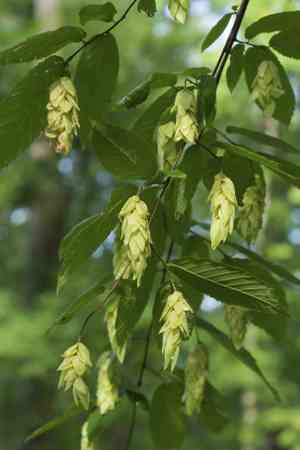
American hophornbeam (Ostrya virginiana)
Also known as: Ironwood, Leverwood
The American hophornbeam (Ostrya virginiana) serves several important roles. Its buds and catkins are a valuable food source for birds, such as the ruffed grouse. The tree's wood is notably hard and durable, making it ideal for crafting tool handles, fence posts, and even longbows due to its strength and resilience. Additionally, it contributes to wildlife habitat by providing shelter and nourishment to various species. These characteristics highlight the American hophornbeam's versatility and ecological importance.
In This Article
Attributes of American hophornbeam
Lifespan
Perennial
Plant Type
Tree
Plant Height
6 m to 11 m
Spread
8 m to 9 m
Leaf Color
Green Yellow Gold
Flower Size
2.5 cm to 5 cm
Flower Color
Yellow Green Brown White
Images of American hophornbeam
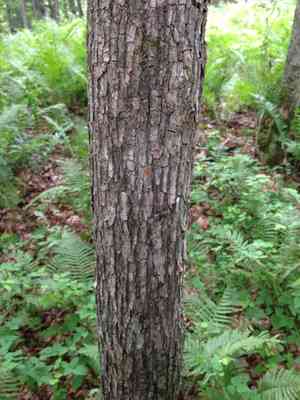
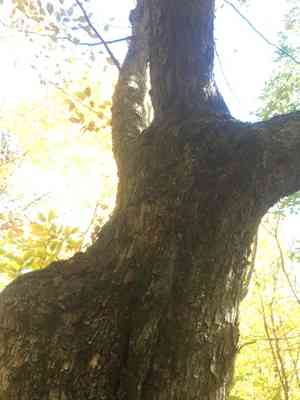
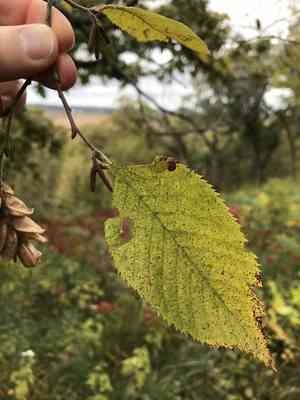
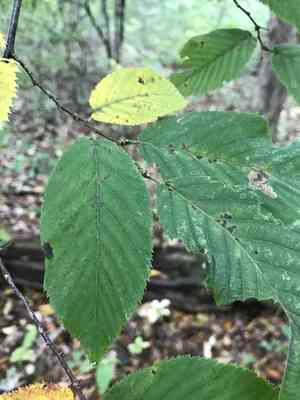
Quickly Identify American hophornbeam
1
Distinctive hop-like fruits that hang in drooping clusters, enclosing ribbed nutlets.
2
Alternate, birch-like leaves with a doubly toothed margin and fuzzy stems.
3
Monoecious catkins appearing in clusters of three, male catkins red-brown and drooping.
4
Light gray to reddish-brown stem bark with a shredding texture, slender drooping branches.
5
Rough, scaly mature bark with loose scaly plates that peel away, developing a rugged texture.
Scientific Classification of American hophornbeam
Phylum
Vascular plants
Class
Dicotyledons
Order
Fagales
Family
Birch
Genus
Hop-hornbeams
Species
American hophornbeam
Planting and Growing of American hophornbeam
Care Difficulty
Easy
Watering Schedule
Every 3 days
Sunlight Requirements
Partial sun
Sunshine Duration
6-10 hours
Ideal Temperature
60-75℉
Soil Type
Potting Mix, Peat Mix
Soil pH
6.5-7.5
Fertilizer Type
Balanced
Pruning Season
Spring, Summer
Pruning Area
Branches, Leaves
Pruning Frequency
2 times a year
Repotting Season
Spring
Pot Type
Plastic, Ceramic
 How to Water American hophornbeam?
For Ostrya virginiana, the watering principle is to saturate the soil thoroughly while allowing any excess water to drain away. This ensures the entire root zone receives sufficient hydration without becoming waterlogged.
What are the symptoms of an underwatered American hophornbeam?
›
What should I do if my American hophornbeam is not getting enough water?
›
What are the symptoms of an overwatered American hophornbeam?
›
How to save an overwatered American hophornbeam?
›
 What Are the Sunlight Requirements for American hophornbeam?
Ostrya virginiana prospers in partial sun to full shade, where filtered sunlight mimics its natural woodland environment. This promotes balanced growth and fosters root robustness.
More About Sunlight Requirements Techniques→
How much sunlight does it prefer?
›
How to ensure ideal sunlight exposure?
›
What benefits come from perfect sunlight?
›
 What Is the Ideal Temperature Range for American hophornbeam?
For Ostrya virginiana, maintaining an optimal temperature range between 60°F and 75°F is crucial for healthy growth. This range promotes efficient photosynthesis and nutrient uptake, ensuring the plant develops strong roots and resilient foliage.
 What Soil is Best for American hophornbeam?
Ostrya virginiana thrives in well-drained soil, avoiding waterlogging which can lead to root rot. This type of soil ensures that the plant's roots receive adequate oxygen and nutrients, promoting healthy growth and development. A moderately fertile soil provides a balanced supply of essential nutrients, supporting lush foliage and robust growth. Ostrya virginiana benefits from such conditions as it is neither starved for nutrients nor overwhelmed, maintaining optimal health and productivity. Maintaining a consistently moist soil without excess water helps preserve the tree's vigor. Moist conditions cater to its natural preference, aiding in nutrient uptake and keeping the plant hydrated, which is essential during dry spells.
 How to Fertilize American hophornbeam?
For Ostrya virginiana, it is best to use a balanced fertilizer at a rate of 1 pound per 100 square feet. This ensures the tree gets enough nutrients without over-fertilizing. If using a liquid fertilizer, mix it at half strength to avoid burning the roots. Make sure the amount used does not exceed the manufacturer's recommendations.
 How to Prune American hophornbeam?
Begin by thoroughly assessing the tree to identify any dead, damaged, or diseased branches. These are the branches that need to be removed first during the pruning process to maintain the health of the tree. Make sure to use the appropriate pruning tools, such as sharp pruning shears, loppers, and saws, depending on the size of branches you need to cut. This ensures clean cuts and prevents unnecessary damage to the tree. Carefully cut away the identified unwanted branches. Begin with those that cross, rub, or grow inward. This helps in opening up the tree canopy, allowing better air circulation and sunlight penetration. Prune to shape the tree according to your landscape aesthetics, while maintaining its natural shape. Remove branches that make the tree unbalanced but be cautious not to over-prune, as this can stress the tree. After pruning, make sure to thoroughly clean the area of all cuttings and debris. This helps in preventing pests and diseases from affecting the tree after pruning.
More About Pruning Techniques→
 How to Propagate American hophornbeam plant?
1
Ostrya virginiana seeds can be collected from mature fruits in autumn. It’s important to clean them and store in a cool, dry place until ready for spring planting. Treating seeds with stratification mimics natural conditions that facilitate germination.
2
Select healthy and semi-hardwood stems during early spring. Cut segments about 6 inches long, ensuring at least two nodes are present. Remove leaves from the lower portion to prevent rot when planting in soil.
3
For both seeds and cuttings, choose a well-draining potting mix. Plant seeds shallowly and place cuttings deep enough to cover one or two nodes. Maintain a consistent temperature and moisture level conducive to root development or germination.
 How to Repot American hophornbeam plant?
1
Repot your Ostrya virginiana when you notice slowed growth, roots emerging from the drainage holes, or the soil on top doesn't absorb water well. These are signs that the plant has outgrown its current container, and it's time to provide it with a larger home to ensure ongoing healthy development.
2
Select a pot that is about 2 inches larger in diameter than the current one, with adequate drainage holes. This extra space gives roots room to expand and reduces the likelihood of root rot by allowing excess water to escape, promoting a healthier root environment essential for vigorous growth.
3
Opt for well-draining, loamy soil, mixed with perlite or sand. This ideal composition enhances aeration and drainage, preventing waterlogging and root rot. The balanced nutrients in loamy soil also support robust plant growth, providing the perfect foundation for your Ostrya virginiana to thrive after repotting.



