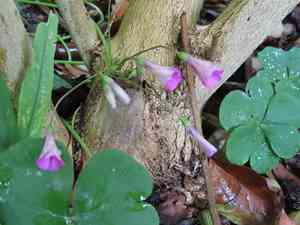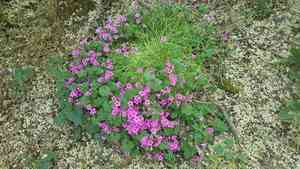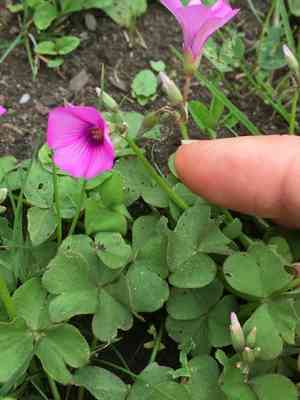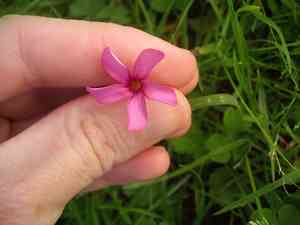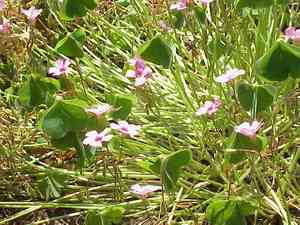
Pink-sorrel(Oxalis articulata)

Pink-sorrel (Oxalis articulata)

Also known as: Pink wood sorrel, Oxalis

Pink-sorrel (Oxalis articulata) is a perennial plant originally from South America, particularly thriving in temperate climates. It is widely appreciated for ornamental ground cover in countries like China and Turkey. However, it can be prone to fungal diseases.

Attributes of Pink-sorrel

Lifespan
Perennial
Plant Type
Herb
Plant Height
45 cm
Spread
2 cm
Leaf Color
Green Red
Flower Size
1 cm to 1.4 cm
Flower Color
Pink White Purple

PlantJoy - Identify plants with a snap

Identify and diagnose plants, get toxicity alerts, and explore safety guides for all types of fungi.

Try for Free

Images of Pink-sorrel

Pink-sorrel(Oxalis articulata)

Quickly Identify Pink-sorrel

1
Ternate compound leaves fold at night.
2
Distinctive 5-petaled flowers in pink, white, magenta.
3
Height up to 12 inches (30 cm) with stemless growth.
4
Toxic leaves containing oxalates.
5
Dehiscent capsule fruit ejects seeds for propagation.

Scientific Classification of Pink-sorrel

Phylum
Vascular plants
Class
Dicotyledons
Order
Oxalidales
Family
Wood sorrel
Genus
Wood sorrels
Species
Pink-sorrel

Planting and Growing of Pink-sorrel

Care Difficulty
Easy
Watering Schedule
Every 3 days
Sunlight Requirements
Partial sun
Sunshine Duration
6-10 hours
Ideal Temperature
60-75℉
Soil Type
Potting Mix, Peat Mix
Soil pH
6.5-7.5
Fertilizer Type
Balanced
Pruning Season
Spring, Summer
Pruning Area
Branches, Leaves
Pruning Frequency
2 times a year
Repotting Season
Spring
Pot Type
Plastic, Ceramic

water icon How to Water Pink-sorrel?

When watering Oxalis articulata, aim for approximately 250 ml per session. Ensure the top few centimeters of the soil are moist yet allow complete drainage to prevent waterlogging. Always let the soil surface dry out slightly before the next watering session to mimic natural rainfall cycles and keep the roots healthy.
What are the symptoms of an underwatered Pink-sorrel?
What should I do if my Pink-sorrel is not getting enough water?
What are the symptoms of an overwatered Pink-sorrel?
How to save an overwatered Pink-sorrel?

sunlight icon What Are the Sunlight Requirements for Pink-sorrel?

Sunlight Requirements: Partial sun, Full sun
Duration of light: 4 to 6 hours
Oxalis articulata thrives in partial sun to full sun conditions. Ideal lighting ensures robust growth, vibrant leaf coloration, and prolific blooming by facilitating efficient photosynthesis and nutrient usage.
What type of sunlight does Oxalis articulata prefer?
How can I ensure my Oxalis articulata receives the ideal light conditions?
What benefits does the ideal lighting bring to Oxalis articulata?

temperature icon What Is the Ideal Temperature Range for Pink-sorrel?

Ideal Temperature: 60 ~ 75℉
Oxalis articulata thrives best in an environment where temperatures range from 60°F to 75°F. These conditions mimic the plant's native habitat, ensuring healthy growth and vibrant foliage. Maintaining these temperatures will help in promoting optimal photosynthesis and metabolic processes.

soil icon What Soil is Best for Pink-sorrel?

Soil type: Loam, Sandy loam, Sandy soil
Soil PH: 6.5 ~ 7.5
Oxalis articulata thrives best in well-drained soil to prevent root rot. This type of soil ensures proper water retention while still allowing excess water to escape; thus, it provides the plant with adequate moisture without waterlogging the roots. The plant prefers soils with moderate fertility levels. A moderately fertile soil supplies the necessary nutrients without causing excessive growth that can weaken the plant's structure. This balance supports healthy growth and flowering. A pH range of 6.5 to 7.5 is ideal for Oxalis articulata. This pH level allows optimal nutrient availability from the soil, enhancing overall plant health and vibrancy, crucial for its decorative foliage.

fertilize icon How to Fertilize Pink-sorrel?

Fertilizer type: Balanced
Oxalis articulata, commonly known as pink oxalis, thrives with a light hand when it comes to fertilization. It's advisable to use a balanced liquid fertilizer diluted to half strength. For slow-release fertilizers, a sprinkle around the base of the plant, about half a teaspoon, should suffice for small pots or containers.

prune icon How to Prune Pink-sorrel?

Pruning Time: Spring, Summer, Autumn, Winter
Begin by trimming yellow or brown leaves at their base. Focus on maintaining a rounded shape. If the plant becomes too dense, thin out some stems by cutting to the ground to improve air circulation. After pruning, water the plant adequately and avoid exposing it to direct sunlight immediately. This helps the plant recover quickly and reduces stress from the pruning process.

propagate icon How to Propagate Pink-sorrel plant?

Propagate Time: Spring, Summer
1
Begin by carefully digging up the mature Oxalis articulata from its existing location. Use the trowel to loosen the soil around the roots, being careful not to damage them.
2
Once removed, gently shake off excess soil from the roots. Use sharp shears or a knife to divide the roots into smaller sections, ensuring each section has viable roots attached.
3
After division, immediately replant the sections into their new locations. Press the soil gently around the roots to remove air pockets, and water thoroughly to settle the soil.
More About Propagating Techniques

repot icon How to Repot Pink-sorrel plant?

Repotting frequency: Every 2-3 years
1
Oxalis articulata signals its need for repotting when it becomes root-bound, indicated by roots poking out from drainage holes. This typically suggests that the current pot has become too small to sustain its growth. Repotting should be considered when the plant shows stunted growth despite good care. The ideal time for repotting is early Spring or Autumn, providing the plant a stress-free transition.
2
Select a pot that is just slightly larger than the current one—about 1-2 inches in diameter larger. Opting for a pot with ample drainage helps prevent root rot, a common issue for Oxalis. The material of the pot isn't crucial, but ensure it has drainage holes for water escape. The right pot size ensures balanced growth and decreases the risk of overwatering.
3
A well-draining potting mix, with a balanced blend of organic material such as peat, perlite, and a small amount of sand, is ideal. This combination mimics the Oxalis natural habitat and prevents waterlogging, which can lead to root rot. Such soil allows adequate air circulation around the roots, promoting healthier growth.

PlantJoy - Identify plants with a snap

Find the best spots for them to optimize their health, simply using your phone.

Try for Free

Toxicity of Pink-sorrel

Is Pink-sorrel toxic to humans?

Pink sorrel is classified as a plant with mild toxicity. Its leaves harbor oxalates, which can be harmful if consumed in significant amounts, whether cooked or raw. These acids may lead to gastrointestinal disturbances, manifesting as nausea, vomiting, and diarrhea. Furthermore, the oxalates can interfere with the body's ability to absorb calcium, leading to nutritional deficiencies. While the leaves are occasionally incorporated into salads, people suffering from arthritis, rheumatism, kidney stones, gout, or hyperacidity should refrain from consuming this plant.

Is Pink-sorrel toxic to cat?

Pink-sorrel poses a serious threat to feline well-being as every part of the plant - including leaves, flowers, fruits, roots, seeds, stems, bark, and sap - is poisonous to cats. Ingesting any component of pink-sorrel can lead a cat to show signs of physical distress or discomfort. Cats often encounter pink-sorrel inadvertently by nibbling on various parts of the plant. Given the severity of its toxicity, cat owners must vigilantly observe their pets for any abnormal behavior and promptly seek veterinary attention if poisoning is suspected, to ensure their feline friend receives the best care possible.

Is Pink-sorrel toxic to dog?

Pink-sorrel is identified as toxic to dogs. Canines may inadvertently consume various parts of the plant, including leaves, flowers, fruits, roots, seeds, stems, or sap/juice. Following the ingestion of pink-sorrel, a dog may show symptoms such as vomiting, diarrhea, lethargy, or more concerning signs based on the quantity ingested. It is essential for dog owners to remain alert and keep their pets away from pink-sorrel. If a dog happens to ingest any portion of this plant, it is crucial to seek immediate veterinary assistance to guarantee the best possible outcome for the animal.

Identify toxic plants for your safety

Learn which plants are harmful to you and your pets, and make informed choices for a safer home!

Try for Free
WARNING
The judgment on toxicity and danger is for reference only. We DO NOT GUARANTEE any accuracy of such judgment. Therefore, you SHALL NOT rely on such judgment. It is IMPORTANT TO SEEK PROFESSIONAL ADVICE in advance when necessary.
More About Toxic Techniques