
False shamrock (Oxalis triangularis)
Also known as: Love Plant, Purple shamrock
Oxalis triangularis, often called the Purple Shamrock, is a perennial plant native to South America. It features distinctive purple, three-lobed leaves, which make it a popular choice for hanging baskets as an ornamental plant. While it is edible, it should only be consumed in small quantities due to its oxalic acid content.
Attributes of False shamrock
Images of False shamrock

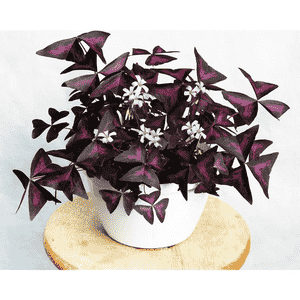

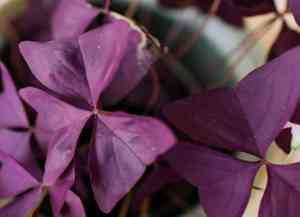
Quickly Identify False shamrock
Scientific Classification of False shamrock
Planting and Growing of False shamrock
 How to Water False shamrock?
 What Are the Sunlight Requirements for False shamrock?
 What Is the Ideal Temperature Range for False shamrock?
 What Soil is Best for False shamrock?
 How to Fertilize False shamrock?
 How to Prune False shamrock?
 How to Propagate False shamrock plant?
 How to Repot False shamrock plant?
Toxicity of False shamrock
Is False shamrock toxic to cat?
The false shamrock is a plant species recognized for its toxicity to cats. If a cat inadvertently ingests any part of this plant, such as the leaves, flowers, fruits, roots, seeds, stems, or sap, it can result in poisoning. Upon consumption, cats might exhibit symptoms of physical distress, which can include a variety of reactions that require urgent medical care. It is essential for cat owners to remain alert and restrict access to false shamrock, and to promptly obtain veterinary assistance if their pet exhibits signs of sickness linked to the ingestion of this plant.
Is False shamrock toxic to dog?
False shamrock is recognized as toxic to dogs. Canines may face poisoning from this plant if they ingest it unintentionally. The toxic components of false shamrock encompass the leaves, flowers, fruits, roots, seeds, stems, and sap/juice. Following the consumption of any part of false shamrock, a dog may show symptoms such as vomiting, diarrhea, fatigue, or more serious indications depending on the quantity eaten. It is essential for dog owners to observe their pets vigilantly and restrict their access to false shamrock. If there is a suspicion that a dog has consumed false shamrock, prompt veterinary care is vital to guarantee appropriate treatment and support.



