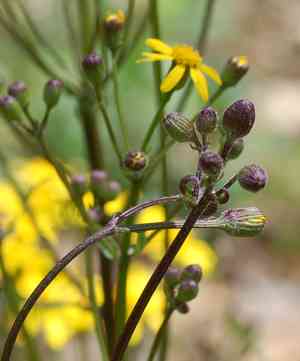
Golden ragwort (Packera aurea)
Also known as: Squaw weed
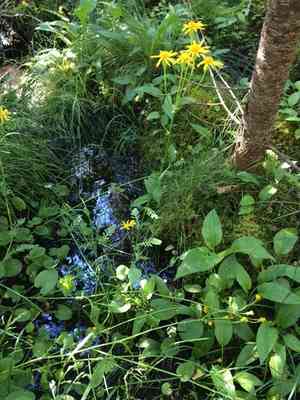
Golden ragwort (Packera aurea), part of the aster family, is a vibrant perennial wildflower. This hardy plant flourishes in moist to wet soils and can grow in both full sun and partial shade. Ideal for naturalized garden settings, it produces bright yellow flowers in the spring and attracts various small bees and other pollinators.
Attributes of Golden ragwort
Images of Golden ragwort
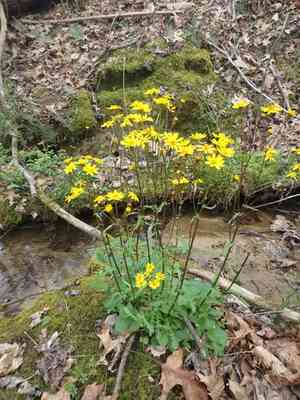
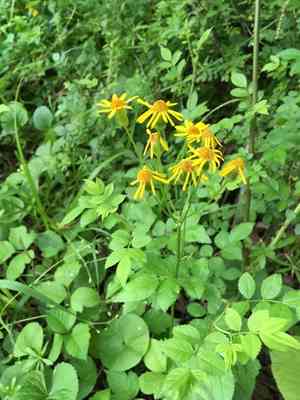
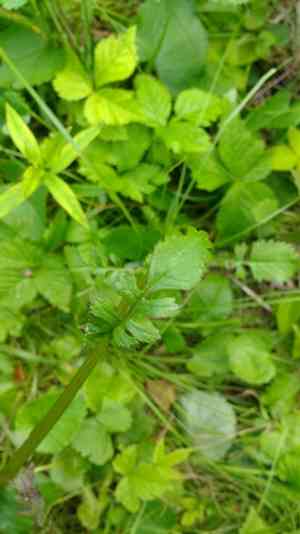
Quickly Identify Golden ragwort
Scientific Classification of Golden ragwort
Planting and Growing of Golden ragwort
 How to Water Golden ragwort?
 What Are the Sunlight Requirements for Golden ragwort?
 What Is the Ideal Temperature Range for Golden ragwort?
 What Soil is Best for Golden ragwort?
 How to Fertilize Golden ragwort?
 How to Prune Golden ragwort?
 How to Propagate Golden ragwort plant?
 How to Repot Golden ragwort plant?
Toxicity of Golden ragwort
Is Golden ragwort toxic to humans?
Golden ragwort is considered a mildly toxic plant when consumed. Each part of the plant, comprising both the leaves and flowers, is poisonous, though a significant quantity must be ingested before any symptoms manifest. This plant contains pyrrolizidine alkaloids, which may lead to liver damage; however, no cases have been documented in humans. Symptoms associated with poisoning may include lethargy, confusion, and jaundice. To potentially cause liver damage, an individual would need to consume several large plants daily over a period of at least two weeks. As such, encountering golden ragwort poisoning is exceedingly unlikely.
Is Golden ragwort toxic to cat?
Golden ragwort presents a mild toxic risk to cats. When felines ingest substantial quantities of the plant's foliage, they may experience poisoning symptoms. Direct interaction with golden ragwort can cause cats to exhibit general signs of discomfort or illness. It is vital for cat owners to observe their pets for any signs of distress and to obtain prompt veterinary assistance if any negative reactions occur. Timely and professional intervention is critical for the well-being of the affected cat.
Is Golden ragwort toxic to dog?
Golden ragwort presents a mild toxicity hazard to dogs. These animals may experience poisoning if they consume significant quantities of the plant, especially its leaves, which are recognized for their toxic properties. Pet owners must remain alert and discourage their dogs from eating large amounts of golden ragwort. In instances where a dog does consume this plant, possible symptoms of poisoning may manifest as gastrointestinal disturbances like vomiting or diarrhea, along with lethargy or other subtle signs of discomfort. It is crucial for dog owners to respond promptly and seek immediate professional veterinary assistance if they suspect their dog has ingested golden ragwort. Quick intervention can help secure the best possible prognosis for the affected pet.



