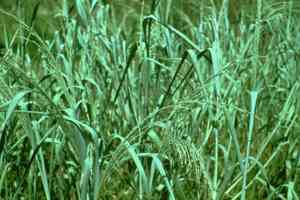
Bitter panicgrass (Panicum amarum)
Also known as: Dune panicgrass
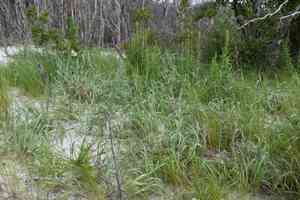
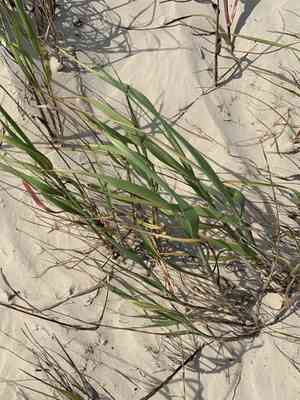
American beachgrass, a member of the grass family, typically forms clumps and spreads through rhizomes. It primarily thrives on coastal beaches and dunes. This grass species plays a crucial role in controlling soil erosion and stabilizing sandy areas. In Connecticut and Rhode Island, it is classified as an endangered plant.
In This Article
Attributes of Bitter panicgrass
Lifespan
Perennial
Plant Type
Grass
Plant Height
90 cm to 1.2 m
Spread
60 cm to 90 cm
Leaf Color
Green Blue
Flower Size
15 cm to 30 cm
Flower Color
Yellow Green
Images of Bitter panicgrass
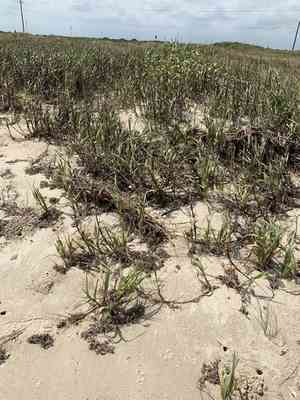
Quickly Identify Bitter panicgrass
1
Erect clumps up to 6 feet (1.8 meters) tall distinguish bitter panicgrass's growth pattern.
2
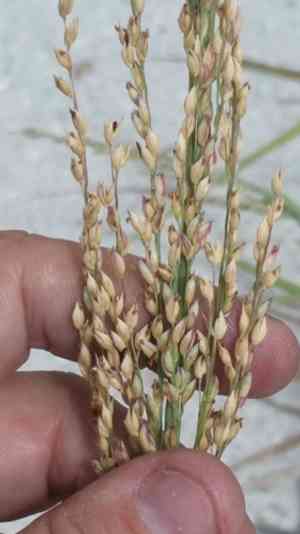
Tufts of feathery flower spikes with tiny seeds provide visual interest.
3
Delicate, small flowers in clusters with a greenish hue bloom from July to November.
4
Caryopsis fruit ellipsoidal, 0.08-0.12 inches (2-3 mm), ripe tan to brown.
5
Smooth textured fruit with hardened outer coating aids in dispersal for late maturity.
Scientific Classification of Bitter panicgrass
Phylum
Vascular plants
Class
Monocotyledons
Order
Poales
Family
Grass
Genus
Panicgrasses
Species
Bitter panicgrass
Planting and Growing of Bitter panicgrass
Care Difficulty
Easy
Watering Schedule
Every 2 days
Sunlight Requirements
Full sun
Sunshine Duration
4-8 hours
Ideal Temperature
60-75℉
Soil Type
Potting Mix, Peat Mix
Soil pH
6.5-7.5
Fertilizer Type
Balanced
Pruning Season
Spring, Summer
Pruning Area
Branches, Leaves
Pruning Frequency
2 times a year
Repotting Season
Spring
Pot Type
Plastic, Ceramic
 How to Water Bitter panicgrass?
When watering Panicum amarum, aim to provide around 500 ml of water. The soil should be thoroughly soaked, ensuring the roots have ample access to moisture. Water slowly, and allow it to be absorbed, avoiding excess runoff.
What are the symptoms of an underwatered Bitter panicgrass?
›
What should I do if my Bitter panicgrass is not getting enough water?
›
What are the symptoms of an overwatered Bitter panicgrass?
›
How to save an overwatered Bitter panicgrass?
›
 What Are the Sunlight Requirements for Bitter panicgrass?
Panicum amarum thrives in full to partial sun, needing 6-8 hours of sunlight. This range supports vigorous growth, strong roots, and resilience against pests and diseases.
More About Sunlight Requirements Techniques→
Optimal Growing Conditions
›
Solutions for Ideal Lighting
›
Beneficial Effects of Proper Sunlight
›
 What Is the Ideal Temperature Range for Bitter panicgrass?
Panicum amarum thrives best in a temperature range of 60°F to 75°F. This range supports optimal photosynthesis and growth rates, ensuring the plant remains healthy and robust. Maintaining this temperature range can lead to vigorous plant development and a successful growing season.
 What Soil is Best for Bitter panicgrass?
Panicum amarum thrives in well-drained soil, which prevents waterlogging and root rot. Extreme saturation can cause significant stress to the plant, impacting its growth and survival. Well-drained conditions also ensure adequate air penetration to the roots, promoting robust plant health. Although Panicum amarum is relatively hardy, it benefits greatly from soils enriched with organic matter. The presence of nutrients facilitates healthy growth and development, encouraging lush foliage and helping the plant maintain its resilience against pests and diseases. Moderate soil moisture is essential for Panicum amarum, ensuring sufficient water without flooding the root system. Regular but controlled watering practices can mimic this requirement, optimizing plant health and growth throughout various climate conditions.
 How to Fertilize Bitter panicgrass?
For Panicum amarum, use a balanced fertilizer such as 10-10-10 or 20-20-20. When applying liquid fertilizer, use about one-quarter to half the recommended dose on the package to prevent nutrient burn. For slow-release granules, 1 to 2 tablespoons per plant is typically sufficient, depending on the size of the plant.
 How to Prune Bitter panicgrass?
The goal of pruning Panicum amarum is to remove dead parts and to promote a lush, dense growth pattern. Proper pruning helps in controlling the plant's size and enhances its ornamental appeal. Remember to preserve healthy green stems to sustain vigorous growth. Ensure the plant is dry before beginning the pruning process to minimize the risk of fungal infections. Inspect the surrounding environment for any pests that might have settled in the plant during its growth periods.
More About Pruning Techniques→
 How to Propagate Bitter panicgrass plant?
1
Start by filling seed trays with a quality seed starter mix. Sow Panicum amarum seeds on the surface and cover lightly with a thin layer of mix. Maintain consistent moisture levels and ensure the trays are exposed to indirect light to encourage germination.
2
Carefully dig up an established plant using a garden fork. Gently shake off excess soil to expose the root system, then divide the clump into sections with each having a good number of roots and shoots. Replant these divisions at the same depth they were originally growing.
3
After sowing or planting divisions, water them gently but thoroughly. This helps settle the soil around the roots and provides the necessary moisture for the initial growth phase. Ensure you don't waterlog the soil, as drainage is crucial for health.
 How to Repot Bitter panicgrass plant?
1
Knowing when to repot Panicum amarum is crucial for its growth. Look for signs like roots visibly growing through the drainage holes, soil that dries out quickly, or poor plant growth. These indicators suggest it's time to care for your plant with a roomier home.
2
Select a pot with good drainage to prevent waterlogging and one size larger than the current pot to ensure enough space for root development. The right pot aids in promoting healthy root expansion and overall plant vitality.
3
Opt for a well-drained sandy mix to replicate the plant's natural habitat, ensuring optimal moisture control and preventing root rot. This choice guarantees healthy root aeration, vital for the plant's robust health.



