Virginia creeper(Parthenocissus quinquefolia)

Virginia creeper (Parthenocissus quinquefolia)

Also known as: Grape-Woodbine, Five-leaved ivy, Woodbine

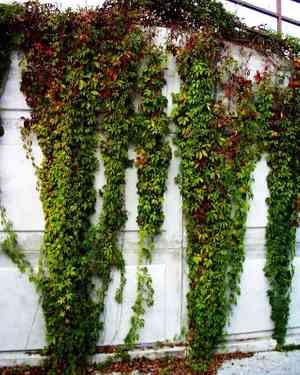
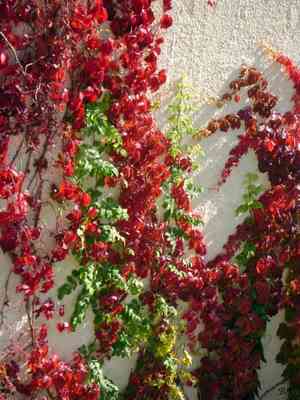
The Virginia Creeper, a North American vine from the grape family, boasts robust growth, fragrant blooms, and striking blue berries. Its leaves transform to a vivid crimson in autumn. Equipped with small forked tendrils and adhesive pads, it firmly attaches to various surfaces, often covering entire walls and offering habitat and nourishment for wildlife.

Attributes of Virginia creeper

Lifespan
Perennial
Plant Type
Vine
Plant Height
20 m to 30 m
Spread
1.5 m to 3 m
Leaf Color
Green Red Orange
Flower Size
8 cm to 20 cm
Flower Color
Green White Yellow

PlantJoy - Identify plants with a snap

Identify and diagnose plants, get toxicity alerts, and explore safety guides for all types of fungi.

Try for Free

Images of Virginia creeper

Virginia creeper(Parthenocissus quinquefolia)

Quickly Identify Virginia creeper

1
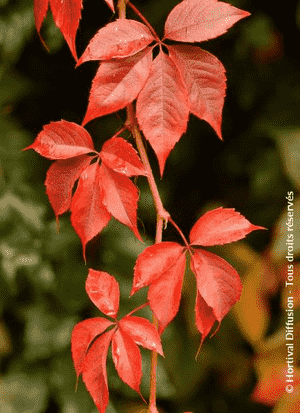
Palmate leaves with 5 serrated leaflets, 2-6 inches (5-15 cm) long.
2
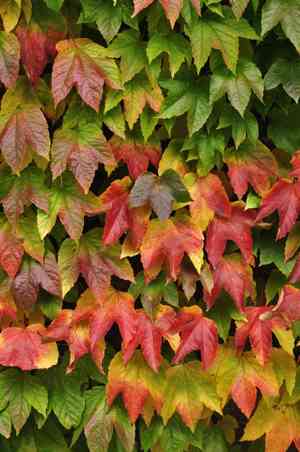
Fall foliage transitions to red or purple, adding seasonal charm.
3
Small greenish-white flowers in clusters, 0.2 inches (5 mm) wide.
4
Smooth blue-black berries, 3/8 inch (9 mm) in diameter, favored by wildlife.
5
Slender trunk with gray-brown bark, aerial roots up to 5 inches (13 cm) long.

Scientific Classification of Virginia creeper

Phylum
Vascular plants
Class
Dicotyledons
Order
Vitales
Family
Grape
Genus
Parthenocissus
Species
Virginia creeper

Planting and Growing of Virginia creeper

Care Difficulty
Easy
Watering Schedule
Every 2 days
Sunlight Requirements
Full sun
Sunshine Duration
4-8 hours
Ideal Temperature
60-85℉
Soil Type
Potting Mix, Peat Mix
Soil pH
6.5-7.5
Fertilizer Type
Balanced
Pruning Season
Spring, Summer
Pruning Area
Branches, Leaves
Pruning Frequency
2 times a year
Repotting Season
Spring
Pot Type
Plastic, Ceramic

water icon How to Water Virginia creeper?

For Parthenocissus quinquefolia, also known as Virginia creeper, the watering principle is to keep the soil consistently moist but never soggy. Water until the soil feels moist down to about 5-10 cm deep, ensuring the water reaches the root zone effectively without waterlogging.
What are the symptoms of an underwatered Virginia creeper?
What should I do if my Virginia creeper is not getting enough water?
What are the symptoms of an overwatered Virginia creeper?
How to save an overwatered Virginia creeper?
More About Watering Techniques

sunlight icon What Are the Sunlight Requirements for Virginia creeper?

Sunlight Requirements: Full sun, Partial sun
Duration of light: 4 to 6 hours
Parthenocissus quinquefolia thrives with partial to full sun exposure. Ideal light conditions promote vibrant autumnal foliage and robust vine development, vital for its ornamental appeal.
Optimal Light Duration
Sunlight Exposure Solution
Benefits of Ideal Lighting
More About Sunlight Requirements Techniques

temperature icon What Is the Ideal Temperature Range for Virginia creeper?

Ideal Temperature: 60 ~ 85℉
Parthenocissus quinquefolia thrives best when the temperature is between 60°F and 85°F. This range supports optimal photosynthesis and metabolic activities, ensuring robust growth and vibrant foliage. Maintaining this temperature range aids in proper nutrient absorption and reduces the risk of stress-related diseases.

soil icon What Soil is Best for Virginia creeper?

Soil type: Loam, Sandy loam, Clay soil, Acidic soil
Soil PH: 6.5 ~ 7.5
Parthenocissus quinquefolia thrives best in well-drained soil conditions. Adequate drainage ensures that the roots do not sit in water, preventing root rot and other moisture-related issues, thereby promoting vigorous growth and a healthy plant structure. This plant flourishes in soils that are rich in organic matter and essential nutrients. A nutrient-dense ground promotes vibrant foliage and abundant growth, sustaining the plant's photosynthesis and metabolic processes for optimal health. While well-drained, the soil should also have some moisture retention capacity. This balance ensures the plant remains hydrated during dry spells without being waterlogged, supporting sustained growth and vitality. More About Soil

fertilize icon How to Fertilize Virginia creeper?

Fertilizer type: Balanced
For Parthenocissus quinquefolia, apply liquid fertilizer at the recommended rate on the product label, usually about 1 tablespoon per gallon of water. Ensure even distribution to cover the entire root zone without saturating the foliage. For slow-release fertilizer, follow the manufacturer’s guidance, often around 1 to 2 pounds per 100 square feet. More About Fertilizing Techniques

prune icon How to Prune Virginia creeper?

Pruning Time: Spring, Summer, Autumn, Winter
To maintain shape and encourage denser growth, trim your Parthenocissus quinquefolia once a month. Focus on cutting back excessive length and untamed growths to keep the plant tidy and controlled. Remove older wood that appears brittle and indicative of diminished vitality. This will stimulate the plant to redirect resources to healthier, younger stems, promoting lush new growth. After cutting older wood and thinning out dense areas, new growth will be encouraged. This practice not only revitalizes the plant but also helps in maintaining its aesthetic appeal. More About Pruning Techniques

propagate icon How to Propagate Virginia creeper plant?

Propagate Time: Spring, Late spring, Early spring, Summer
1
Choose healthy, disease-free plants as your source of cuttings. This ensures that the new plants will be strong and disease-resistant.
2
Cut a 5-6 inch segment just below a leaf node. Remove the lower leaves, leaving a few at the top to support photosynthesis.
3
Insert the cuttings into a pot filled with moist potting mix. Ensure that at least one leaf node is below the soil surface.
More About Propagating Techniques

repot icon How to Repot Virginia creeper plant?

Repotting frequency: Every 2-3 years
1
You'll know it's time to repot your Parthenocissus quinquefolia when you see roots growing out of the drainage holes, or if the plant's growth has noticeably slowed down. These are clear indicators that the plant has outgrown its current container, and repotting will provide it with space and nutrients to continue flourishing.
2
When selecting a pot, make sure to choose one that is about 2 inches larger in diameter than the current pot. A pot with drainage holes is crucial to prevent waterlogging, which can lead to root rot. A slightly larger pot allows room for new root growth while preventing the soil from staying overly damp.
3
Opt for a rich, well-draining potting mix. This ensures good aeration and supports healthy root development. The well-draining nature of the mix prevents water accumulation, reducing the risk of root diseases, and it also provides essential nutrients to promote vigorous foliage growth.

PlantJoy - Identify plants with a snap

Find the best spots for them to optimize their health, simply using your phone.

Try for Free

Toxicity of Virginia creeper

Is Virginia creeper toxic to humans?

The berries of the Virginia creeper are laden with dangerously high concentrations of oxalic acid, which can be lethal to humans if consumed. Additionally, ingesting these berries may lead to kidney damage. Symptoms of poisoning from Virginia creeper may manifest as nausea, vomiting, or dizziness. Furthermore, the sap found in the leaves and stem can cause skin irritation in certain individuals. Given its rapid growth as a vine that can either ascend structures or spread along the ground, people might unintentionally encounter fractured sections of the plant and become exposed to its sap.

Is Virginia creeper toxic to cat?

Virginia creeper can be mildly toxic to cats, presenting potential risks if ingested in large quantities. Every part of the virginia creeper plant carries the ability to be harmful. If consumed, a cat may exhibit signs of physical distress, suggesting possible poisoning. It is crucial for cat owners to monitor their pets' interactions with this plant. In cases of ingestion, swift consultation with a veterinary clinic is essential for effective treatment, safeguarding the health and well-being of the feline friend.

Is Virginia creeper toxic to dog?

Virginia creeper presents a mild toxicity risk to dogs. Canines are at risk of poisoning from this plant if they ingest it in large quantities. Every part of the virginia creeper plant is deemed toxic and can lead to negative reactions in dogs. Should a dog chew or consume any portion of virginia creeper, it may display symptoms such as vomiting, diarrhea, abdominal discomfort, or excessive drooling. It's essential for dog owners to keep a close eye on their pets and restrict their access to areas where virginia creeper is present. If a dog does consume virginia creeper, it is crucial to seek prompt veterinary assistance to ensure the best possible outcome for the animal.

Identify toxic plants for your safety

Learn which plants are harmful to you and your pets, and make informed choices for a safer home!

Try for Free
WARNING
The judgment on toxicity and danger is for reference only. We DO NOT GUARANTEE any accuracy of such judgment. Therefore, you SHALL NOT rely on such judgment. It is IMPORTANT TO SEEK PROFESSIONAL ADVICE in advance when necessary.
More About Toxic Techniques