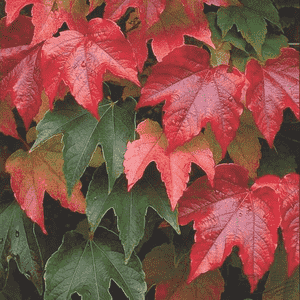
Boston ivy (Parthenocissus tricuspidata)
Also known as: Japanese ivy, Woodbine
The plant in question is Boston Ivy (Parthenocissus tricuspidata), which actually belongs to the Vitaceae family, not the ivy family. Unlike traditional ivy, it is less harmful to buildings because its tendrils use sticky pads to adhere to surfaces rather than penetrating cracks. During the summer, its leaves are glossy and green, but they turn a vibrant scarlet or crimson in the fall.
Attributes of Boston ivy
Images of Boston ivy
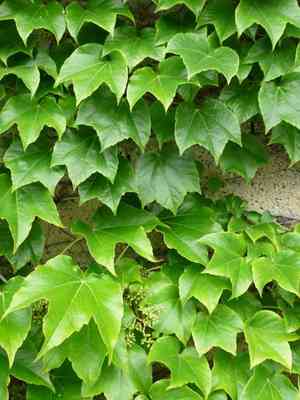

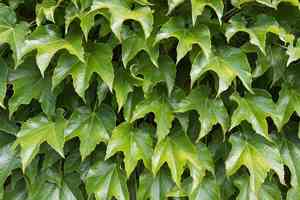

Quickly Identify Boston ivy
Scientific Classification of Boston ivy
Planting and Growing of Boston ivy
 How to Water Boston ivy?
 What Are the Sunlight Requirements for Boston ivy?
 What Is the Ideal Temperature Range for Boston ivy?
 What Soil is Best for Boston ivy?
 How to Fertilize Boston ivy?
 How to Prune Boston ivy?
 How to Propagate Boston ivy plant?
 How to Repot Boston ivy plant?
Toxicity of Boston ivy
Is Boston ivy toxic to humans?
Boston ivy is among several plants rich in oxalates found throughout all parts, particularly in the berries. These substances create crystalline needles that can damage the mucous membranes in the mouth, throat, and gastrointestinal tract. This results in irritation and swelling—at times so severe that it may lead to difficulty in swallowing and even restricted breathing. Within the digestive system, it can trigger extreme stomach pain, nausea, vomiting, and diarrhea. It is essential to keep Boston ivy, especially its berries, out of reach of children.
Is Boston ivy toxic to cat?
Boston ivy, often referred to as Boston ivy, poses a minor toxicity threat to felines. When cats ingest significant quantities of the plant, particularly its fruits and leaves, they can suffer from poisoning. This consumption can lead to symptoms that suggest physical unease or illness in cats, including gastrointestinal issues such as diarrhea or vomiting. Given that these symptoms can worsen, it is crucial to obtain veterinary assistance without delay if a cat shows indications of boston ivy poisoning. Quick medical intervention is essential for promoting the cat's well-being and reducing harmful consequences.
Is Boston ivy toxic to dog?
Boston ivy presents a low toxicity risk for dogs. If canines consume large quantities of its fruits or foliage, they may suffer from poisoning. Symptoms that dogs might display after ingesting parts of boston ivy include vomiting, diarrhea, and abdominal discomfort. It is essential for dog owners to keep a close watch on their pets and restrict their access to regions where boston ivy flourishes to prevent potential poisoning. Should a dog ingest any part of boston ivy, it is vital to obtain immediate care at a veterinary clinic to safeguard the animal’s health and well-being.



