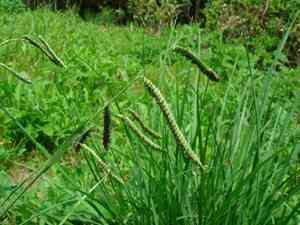
Dallis grass (Paspalum dilatatum)
Also known as: Water grass, Caterpillar grass, Hairy flowered paspalum, Bastard millet grass, Golden crown grass, Leichhardt grass, Water paspalum
Dallis grass (Paspalum dilatatum) is a grass that could serve as a food source for many birds - particularly the long-tailed widowbird. On the stalks grow prodigious numbers of seeds, which enable its fast spread. Dallis grass is considered an invasive species in many places outside its home range. Once established, it is very hard to eradicate.
In This Article
Attributes of Dallis grass
Lifespan
Perennial
Plant Type
Grass
Plant Height
50 cm to 1.5 m
Spread
60 cm
Leaf Color
Green Red
Flower Size
2.5 cm
Flower Color
Yellow Green Brown Black Gold
Images of Dallis grass
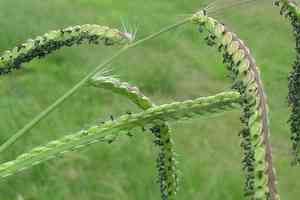
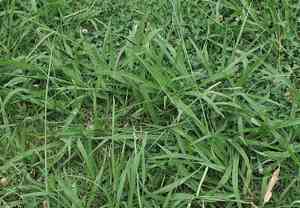
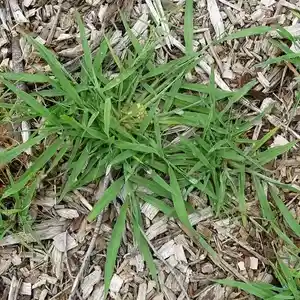
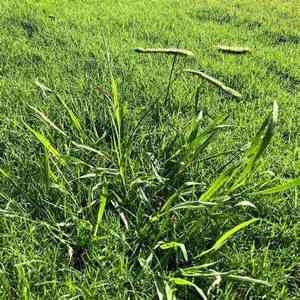
Quickly Identify Dallis grass
1
Distinctive leaf base with red tinge and hairy texture, broad blades measuring 0.5 inches (1.27 cm) wide.
2
Paired spikelets in pale green to purplish colors, forming flowers on stalks up to 65 inches (165 cm).
3
Small, hard caryopsis enclosed in paired bracts, light brown, with a winged appearance and clustered seeds.
4
Underground stems with concentric rings, smooth textured, 0.2 to 0.4 inches (5-10 mm) thick, light brown to tan.
5
Seed heads with numerous spikelets for invasive spread, ideally managed at 2-3 inches (5-7.5 cm) height.
Scientific Classification of Dallis grass
Phylum
Vascular plants
Class
Monocotyledons
Order
Poales
Family
Grass
Genus
Paspalum
Species
Dallis grass
Planting and Growing of Dallis grass
Care Difficulty
Easy
Watering Schedule
Every 8 days
Sunlight Requirements
Full sun
Sunshine Duration
4-6 hours
Ideal Temperature
68-86℉
Soil Type
Potting Mix, Peat Mix
Soil pH
6.5-7.5
Fertilizer Type
Balanced
Pruning Season
Spring, Summer
Pruning Area
Branches, Leaves
Pruning Frequency
2 times a year
Repotting Season
Spring
Pot Type
Plastic, Ceramic
 How to Water Dallis grass?
When watering Paspalum dilatatum, aim to provide around 350ml of water per session. The goal is to moisten the soil evenly without saturating it. Ensure the water reaches deep enough to nourish the roots but avoid waterlogging the soil, which can lead to root rot. It's critical to balance the moisture to ensure healthy growth.
What are the symptoms of an underwatered Dallis grass?
›
What should I do if my Dallis grass is not getting enough water?
›
What are the symptoms of an overwatered Dallis grass?
›
How to save an overwatered Dallis grass?
›
 What Are the Sunlight Requirements for Dallis grass?
Paspalum dilatatum thrives best with full to partial sun exposure, gaining enhanced growth and health through balanced sun exposure tailored specifically for its needs.
What are the ideal lighting conditions for Paspalum dilatatum?
›
Solutions to achieve ideal lighting for Paspalum dilatatum:
›
What benefits does optimal light provide to Paspalum dilatatum?
›
 What Is the Ideal Temperature Range for Dallis grass?
For optimal growth of Paspalum dilatatum, the ideal temperature range is between 68°F and 86°F. This range ensures that the plant has sufficient warmth for vital physiological processes while avoiding stress from excessive heat or cold. Within this temperature range, the plant can adequately perform photosynthesis, maintain proper moisture levels, and grow healthily.
 What Soil is Best for Dallis grass?
Paspalum dilatatum thrives in well-drained soils, which helps prevent root rot by ensuring excess water doesn't accumulate around the roots. This drainage also allows roots to access oxygen. This plant prefers soils rich in organic matter, which provides essential nutrients and improves soil structure, thereby enhancing root development and overall plant health. Moderately fertile soils support the growth of Paspalum dilatatum by providing a balanced supply of nutrients, which promotes lush foliage and healthy development.
 How to Fertilize Dallis grass?
Paspalum dilatatum, commonly known as dallis grass, should be fertilized with about 1 to 1.5 pounds of nitrogen per 1,000 square feet. This amount ensures the grass receives sufficient nutrients without overwhelming its roots.
 How to Prune Dallis grass?
Begin by inspecting the grass and identifying areas that are overgrown or uneven. Use a sharp lawn mower or shears to trim the grass, ensuring that the blades are clean to prevent disease spread. Remove dead or discolored grass blades, focusing on maintaining a consistent height throughout the lawn. Utilize a quality lawn mower with adjustable height settings for larger areas. For precise trimming, employ sharp manual shears. Always disinfect tools before and after use to minimize the risk of transmitting fungal infections.
 How to Propagate Dallis grass plant?
1
Fill a seed tray with a mixture of peat and sand to create a well-draining medium. Ensure the medium is moist but not waterlogged to provide the ideal conditions for seed germination.
2
Evenly distribute the Paspalum dilatatum seeds on the surface of the prepared medium. Gently press them down but do not cover, as they require light for germination.
3
Select a mature Paspalum dilatatum plant and use a spade to carefully lift the entire clump. Gently separate the root system into smaller sections, ensuring each section has several shoots and healthy roots.
 How to Repot Dallis grass plant?
1
Paspalum dilatatum should be repotted when you notice roots emerging from the drainage holes or if the soil dries out more quickly than usual. Another good indicator is when the plant seems stunted in growth, which suggests it's outgrowing its current container.
2
Select a pot that is 1-2 inches larger in diameter than the current one, ensuring it has good drainage holes. The larger size encourages healthy root growth while preventing overwatering problems. Opt for terracotta to help wick away excess moisture, which is ideal for this plant.
3
Use a loamy, well-draining potting mix with organic matter to aid moisture retention without becoming waterlogged. This type of soil supports nutritional needs and facilitates proper aeration, crucial for the robust growth of Paspalum dilatatum.



