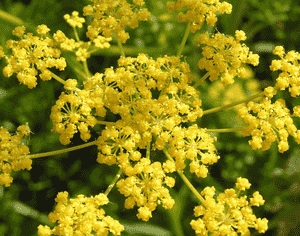
Parsnip(Pastinaca sativa)

Parsnip (Pastinaca sativa)

Also known as: Wild parsnip, Panais sauvage

Parsnips, though similar to their cultivated counterparts, can cause skin irritation due to a compound in their sap. To prevent this, wear gloves and long sleeves when handling the plant. This will protect you from potential chemical burns and blisters, especially when exposed to sunlight. If your skin comes into contact with the sap, wash the area thoroughly with soap and water and stay out of the sun until you're sure the sap is fully removed.

Attributes of Parsnip

Lifespan
Biennial, Perennial, Annual
Plant Type
Herb
Plant Height
30 cm
Spread
20 cm
Leaf Color
Green Yellow
Flower Size
2.5 cm
Flower Color
Yellow

PlantJoy - Identify plants with a snap

Identify and diagnose plants, get toxicity alerts, and explore safety guides for all types of fungi.

Try for Free

Images of Parsnip

Parsnip(Pastinaca sativa)

Quickly Identify Parsnip

1
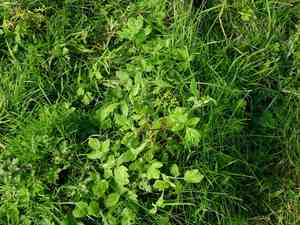
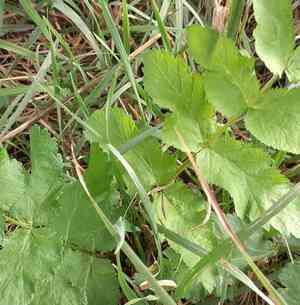
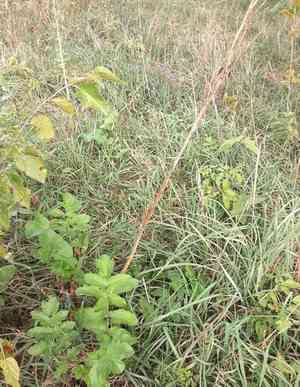
Pinnate leaves up to 5 inches (12 cm) long with toothed edges.
2
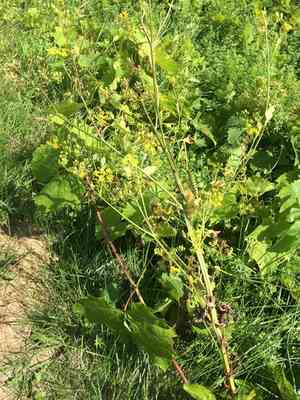
Yellow umbel flowers in broad arrays, 2 to 6 inches (5 to 15 cm) wide.
3
Thick, fleshy taproot resembling carrots.
4
Hollow stem, up to 6 feet (1.8 meters) tall, with angular furrowed pattern.
5
Tiny yellow flowers in compound umbels, each 3-8 inches (7.5-20 cm) across.

Scientific Classification of Parsnip

Phylum
Vascular plants
Class
Dicotyledons
Order
Apiales
Family
Umbellifers
Genus
Parsnips
Species
Parsnip

Planting and Growing of Parsnip

Care Difficulty
Easy
Watering Schedule
Every 4 days
Sunlight Requirements
Full sun
Sunshine Duration
4-6 hours
Ideal Temperature
60-70℉
Soil Type
Potting Mix, Peat Mix
Soil pH
6.5-7.5
Fertilizer Type
Balanced
Pruning Season
Spring, Summer
Pruning Area
Branches, Leaves
Pruning Frequency
2 times a year
Repotting Season
Spring
Pot Type
Plastic, Ceramic

water icon How to Water Parsnip?

Pastinaca sativa, commonly known as parsnip, requires moderate watering. Ensure the soil is kept evenly moist but not waterlogged. Each watering session should ideally provide around 500 ml of water per plant, soaking the soil to a depth of about 6 inches.
What are the symptoms of an underwatered Parsnip?
What should I do if my Parsnip is not getting enough water?
What are the symptoms of an overwatered Parsnip?
How to save an overwatered Parsnip?

sunlight icon What Are the Sunlight Requirements for Parsnip?

Sunlight Requirements: Full sun, Partial sun
Duration of light: 6-8 hours daily
Pastinaca sativa flourishes under full sun exposure, benefiting the most from 6-8 hours of direct sunlight. Ideal lighting facilitates vigorous root growth and improves overall crop production by maximizing photosynthetic efficiency.
What is the ideal lighting for Pastinaca sativa?
How can I achieve ideal lighting for Pastinaca sativa?
What benefits does Pastinaca sativa gain from ideal lighting?

temperature icon What Is the Ideal Temperature Range for Parsnip?

Ideal Temperature: 60 ~ 70℉
The ideal temperature range for the growth of Pastinaca sativa is between 60°F and 70°F. This range ensures optimal metabolic activity and photosynthesis, promoting healthy foliage and root development. At these temperatures, the enzymes and physiological processes work efficiently, resulting in robust growth.

soil icon What Soil is Best for Parsnip?

Soil type: Sandy soil, Loam, Sandy loam
Soil PH: 6.5 ~ 7.5
Pastinaca sativa thrives in nutrient-rich soils, which provide essential minerals for robust root growth. Well-fertilized soil ensures the plant has access to necessary nutrients, leading to healthier and more vigorous plant development. The importance of well-drained soil cannot be overstated for Pastinaca sativa. Proper drainage prevents waterlogging, which can cause root rot. Ensuring drainage promotes aeration and helps in the healthy development of roots. Although drainage is critical, ensuring some moisture retention is vital. Pastinaca sativa benefits from a consistent moisture level to prevent drying out, which maintains its growth rate and prevents stress.

fertilize icon How to Fertilize Parsnip?

Fertilizer type: Balanced
When fertilizing Pastinaca sativa, use a balanced liquid fertilizer diluted to half strength. Apply approximately 250 ml per plant to ensure the parsnips receive the necessary nutrients without causing root damage or nutrient burn.

prune icon How to Prune Parsnip?

Pruning Time: Spring, Summer
Start by examining your Pastinaca sativa thoroughly. Look for any dead, diseased, or damaged foliage. With clean, sharp pruning shears, carefully snip away these undesirable parts to promote healthier growth and increase air circulation. Be sure to angle your cuts to allow water to drain away from the cut surface, reducing the risk of infections. To maintain a uniform shape, trim back the outer edges of the plant. This helps in achieving a balanced look and prevents the parsnip plant from overshadowing other nearby plants. Regular trimming ensures that the plant doesn't become too leggy or uneven over time. Pay special attention to new growth, and be selective in thinning out crowded areas. This helps redirect energy to stronger shoots, ensuring a robust and vibrant appearance. Striking a balance between removing too little and too much is crucial to maintaining optimal growth.

propagate icon How to Propagate Parsnip plant?

Propagate Time: Spring
1
Begin by filling your seed trays with a high-quality potting mix. Sow the seeds thinly over the surface and cover them lightly with a layer of soil.
2
Water the seeds carefully to ensure the soil is moist but not waterlogged. Overwatering can cause seeds to rot before they have a chance to germinate.
3
Place the seed trays in a warm area with plenty of sunlight. Seeds of Pastinaca sativa require warmth to germinate effectively, so consider placing them on a windowsill or under a grow light.

repot icon How to Repot Parsnip plant?

Repotting frequency: Every two years
1
Repot Pastinaca sativa when you notice slowed growth, roots circling the pot base, or soil drying out quickly. These signs indicate the plant's need for more space or fresh soil to thrive. The best time for repotting is during spring or autumn, allowing the plant to recover without the stress of high summer temperatures.
2
Select a pot that is one size larger than the current one, ideally with drainage holes to prevent waterlogging. A terracotta pot is beneficial for better moisture control, allowing air to penetrate and excess moisture to evaporate, creating an optimum root environment for Pastinaca sativa.
3
Choose a well-draining, loamy soil mix that retains enough moisture but also allows excess water to escape, preventing root rot. This type of soil provides a balance of nutrients and aeration, essential for Pastinaca sativa's robust root development and overall health.

PlantJoy - Identify plants with a snap

Find the best spots for them to optimize their health, simply using your phone.

Try for Free

Toxicity of Parsnip

Is Parsnip toxic to humans?

Parsnip is a plant with moderate toxicity that may lead to skin irritations. Its leaves, stems, and flowers are rich in furocoumarins, compounds known to trigger significant skin irritations. This skin condition, known as phytophotodermatitis, can be quite intense. Common side effects include redness, itching, burning sensations, and swelling at the site of exposure. Another frequent symptom of parsnip poisoning is increased sensitivity to sunlight. In certain instances, the rash can become severe enough to result in lasting scars. Additionally, ingestion of the plant can lead to abdominal discomfort.

Is Parsnip toxic to cat?

Parsnip presents a serious threat of toxicity to felines if consumed. All components of parsnip are poisonous, and even minimal ingestion can result in severe health complications. When a cat consumes any portion of parsnip, they might suffer from intense physical distress, illness, or pain. It is crucial for cat owners to ensure their pets do not have access to parsnip, and if there is any suspicion of poisoning, they should promptly consult a veterinary professional at a medical facility to manage any potentially life-threatening situations.

Is Parsnip toxic to dog?

Parsnip presents a significant toxicity threat to dogs. All parts of this plant are toxic, and canines may suffer from poisoning if they consume any portion. Signs of possible parsnip ingestion in dogs can include gastrointestinal distress, excessive drooling, weakness, disorientation, and in severe scenarios, outcomes like seizures or coma may occur. It is essential for pet owners to ensure that their dogs do not have access to parsnip and to keep a vigilant watch over them in areas where this plant is found. If a dog does ingest any part of parsnip, it is vital to seek immediate veterinary assistance to effectively address the poisoning.

Identify toxic plants for your safety

Learn which plants are harmful to you and your pets, and make informed choices for a safer home!

Try for Free
WARNING
The judgment on toxicity and danger is for reference only. We DO NOT GUARANTEE any accuracy of such judgment. Therefore, you SHALL NOT rely on such judgment. It is IMPORTANT TO SEEK PROFESSIONAL ADVICE in advance when necessary.