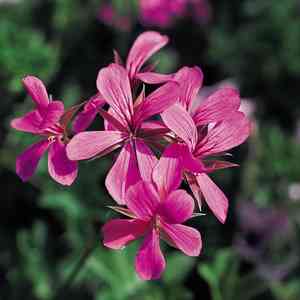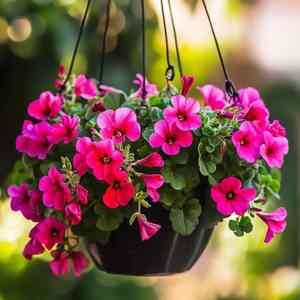
Ivy geranium(Pelargonium peltatum)

Ivy geranium (Pelargonium peltatum)

Also known as: Cascading geranium

The genus name "Pelargonium" comes from the Greek word for stork, "pelargos," due to the stork-like shape of its seed pods. This plant was introduced to Europe in the 18th century by the governor of the Cape Province.

Attributes of Ivy geranium

Lifespan
Perennial, Annual
Plant Type
Herb
Plant Height
40 cm to 1 m
Spread
90 cm to 1.5 m
Leaf Color
Green
Flower Size
6 mm to 1.2 cm
Flower Color
Pink White Purple Red Yellow

PlantJoy - Identify plants with a snap

Identify and diagnose plants, get toxicity alerts, and explore safety guides for all types of fungi.

Try for Free

Images of Ivy geranium

Ivy geranium(Pelargonium peltatum)

Quickly Identify Ivy geranium

1
Gracefully trailing stems up to 3 feet (90 cm) in length.
2
Distinct peltate leaves with central stem attachment and zoned patterns.
3
Vibrant flowers in white, pink, or red with dark markings, clustered in umbels.
4
Rounded petals with slight sheen, scalloped edges, and 1 inch (2.5 cm) diameter.
5
Medium to dark green waxy leaves, 2-4 inches (5-10 cm) in diameter.

Scientific Classification of Ivy geranium

Phylum
Vascular plants
Class
Dicotyledons
Order
Geraniums, bridal wreaths, and allies
Family
Geranium
Genus
Pelargoniums
Species
Ivy geranium

Planting and Growing of Ivy geranium

Care Difficulty
Easy
Watering Schedule
Every 8 days
Sunlight Requirements
Full sun
Sunshine Duration
6-10 hours
Ideal Temperature
65-75℉
Soil Type
Potting Mix, Peat Mix
Soil pH
6.5-7.5
Fertilizer Type
Balanced
Pruning Season
Spring, Summer
Pruning Area
Branches, Leaves
Pruning Frequency
2 times a year
Repotting Season
Spring
Pot Type
Plastic, Ceramic

water icon How to Water Ivy geranium?

For Pelargonium peltatum, the watering amount should be such that the soil is thoroughly moistened, but not soggy. A general rule of thumb is to provide about 250 milliliters of water per session depending on the pot size and environmental conditions. Ensure water is distributed evenly until a small amount begins to drain from the bottom, indicating saturation without waterlogging.
What are the symptoms of an underwatered Ivy geranium?
What should I do if my Ivy geranium is not getting enough water?
What are the symptoms of an overwatered Ivy geranium?
How to save an overwatered Ivy geranium?

sunlight icon What Are the Sunlight Requirements for Ivy geranium?

Sunlight Requirements: Full sun, Partial sun
Duration of light: 4-6 hours of light
Partial to full sunshine ensures Pelargonium peltatum thrives, encouraging verdant growth and prolific flowering. Ideal light conditions translate to healthier foliage, vibrant blooms, and robust vitality.
How much sun does Pelargonium peltatum need?
What if my location gets too much midday sun?
Can Pelargonium peltatum grow indoors?

temperature icon What Is the Ideal Temperature Range for Ivy geranium?

Ideal Temperature: 65 ~ 75℉
Pelargonium peltatum thrives best in a temperature range between 65°F and 75°F. Within this range, the plant can carry out photosynthesis efficiently, promoting healthy growth and vibrant foliage. Maintaining these temperatures ensures better flowering and prevents stress-related diseases often caused by inadequate thermal conditions.

soil icon What Soil is Best for Ivy geranium?

Soil type: Sandy loam, Loam
Soil PH: 6.5 ~ 7.5
Pelargonium peltatum thrives in well-drained soil, which facilitates proper root aeration and minimizes the risk of root rot. Ensuring good drainage helps maintain healthy roots, supporting robust flowering and foliage. This plant prefers nutrient-rich soil to support its vigorous growth and abundant blooming. Incorporating organic matter like compost can enhance nutrient availability, promoting overall plant vitality and vibrant flowers. Pelargonium peltatum requires soil that retains some moisture but does not become waterlogged. This balance is crucial for optimal water uptake, preventing leaf wilting while avoiding root diseases caused by excessive wetness.

fertilize icon How to Fertilize Ivy geranium?

Fertilizer type: Balanced
For Pelargonium peltatum, it's recommended to use a balanced liquid fertilizer diluted to half strength during the growing season. For solid fertilizers, follow the manufacturer's instructions carefully, often around 20 grams per plant depending on size and soil conditions.

prune icon How to Prune Ivy geranium?

Pruning Time: Spring, Summer, Autumn, Winter
Use clean, sharp scissors or pruning shears to cut back leggy stems just above a node. This encourages branching and results in a bushier appearance. Focus on removing any dead or yellowing leaves as well. Start from the top and work your way down to prevent over-pruning. Pinching is a great way to encourage fuller growth. Simply use your fingers to pinch off the tip of the new growth, right above a leaf node. This will encourage the plant to produce two new stems, creating a more compact and bushy appearance.

propagate icon How to Propagate Ivy geranium plant?

Propagate Time: Spring, Late spring, Early spring
1
Choose healthy, disease-free stems about 10 cm long for cutting propagation. Make sure the stems have at least two nodes to support new root growth. Remove any flowers or buds to focus the plant's energy on rooting.
2
For seed propagation, prepare a seedbed with a well-draining mixture of peat and perlite. The mixture should be slightly moist but not overly wet. Level the surface to ensure even seed distribution, and press seeds lightly into the soil without burying them deeply.
3
Dip the cut end of each cutting in a rooting hormone powder to enhance root development. This step increases the chances of successful rooting by promoting faster and more vigorous root growth. Shake off any excess powder before planting.

repot icon How to Repot Ivy geranium plant?

Repotting frequency: Every 1-2 years
1
Repotting Pelargonium peltatum should be done when you notice roots growing out of the drainage holes or the plant seems to be drying out quickly even with regular watering. This indicates that the roots have outgrown their current pot, and a larger space is needed for optimal growth.
2
Select a pot that is one size larger than the current one, ensuring it has adequate drainage holes. This will help prevent root rot and other moisture-related issues by allowing excess water to escape easily, thus keeping the roots healthy and promoting robust plant growth.
3
Choose a well-draining potting mix formulated for geraniums. This type of soil ensures proper aeration and drainage, preventing waterlogging and fostering healthy root development. Add perlite or sand to improve drainage if the soil feels too dense.

PlantJoy - Identify plants with a snap

Find the best spots for them to optimize their health, simply using your phone.

Try for Free

Toxicity of Ivy geranium

Is Ivy geranium toxic to humans?

The ivy geranium, similar to all members of the *Pelargonium* family, poses significantly greater risks to animals than to humans, yet it still requires cautious handling. Depending on your skin's sensitivity and the extent of your interaction with the plant, you might develop contact dermatitis from touching any part of it. *Pelargoniums* are rich in toxic terpenes such as geraniol and linalool, which can irritate tissues and lead to more severe issues for humans who ingest any part of the plant. Poisoning symptoms may include gastrointestinal disturbances, decreased appetite, vomiting, diarrhea, colic, and in rare cases, depression and weakness.

Is Ivy geranium toxic to cat?

Ivy geranium presents a mild toxicity threat to cats, potentially causing signs of physical distress if substantial amounts are consumed. Every part of this plant is deemed toxic and may trigger adverse reactions in felines. Cat owners must remain watchful and ensure their pets do not munch on any portion of ivy geranium. Should a cat accidentally ingest ivy geranium, it is imperative to seek immediate veterinary attention to address the symptoms of illness effectively and avert more serious health issues. Timely intervention at a veterinary clinic is essential for a cat’s quick recovery following poisoning.

Is Ivy geranium toxic to dog?

Ivy geranium presents a minor toxicity concern for dogs. If ingested in significant quantities, canines may suffer from toxicity due to this plant. Every part of the ivy geranium is regarded as toxic and can cause negative health reactions if a dog consumes it. The signs of ivy geranium poisoning can differ but may include gastrointestinal distress, vomiting, diarrhea, or fatigue. It is vital for dog owners to keep a close watch on their pets and restrict their access to ivy geranium, particularly if the dog is prone to chewing on plants. Should a dog ingest ivy geranium, prompt veterinary assistance is crucial to ensure appropriate treatment and management of any possible poisoning.

Identify toxic plants for your safety

Learn which plants are harmful to you and your pets, and make informed choices for a safer home!

Try for Free
WARNING
The judgment on toxicity and danger is for reference only. We DO NOT GUARANTEE any accuracy of such judgment. Therefore, you SHALL NOT rely on such judgment. It is IMPORTANT TO SEEK PROFESSIONAL ADVICE in advance when necessary.