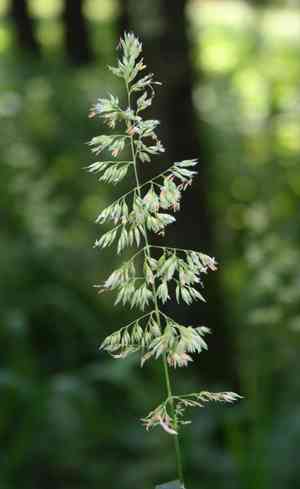
Reed canary grass (Phalaris arundinacea)
Also known as: Reed Canary Grass
Reed canary grass (*Phalaris arundinacea*) is a species indigenous to Europe, Asia, North America, and North Africa. This versatile plant is commonly grown for decorative purposes and its biomass is frequently utilized as a fuel source.
In This Article
Attributes of Reed canary grass
Lifespan
Perennial
Plant Type
Grass
Plant Height
2 m
Spread
3 m
Leaf Color
Green White Variegated
Flower Size
1 cm to 4 cm
Flower Color
Green Brown
Images of Reed canary grass
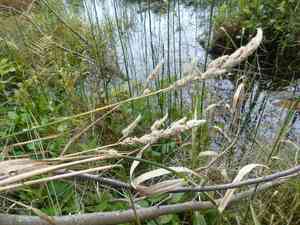
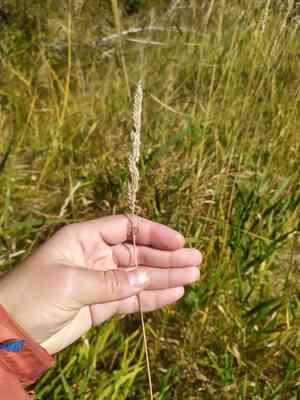
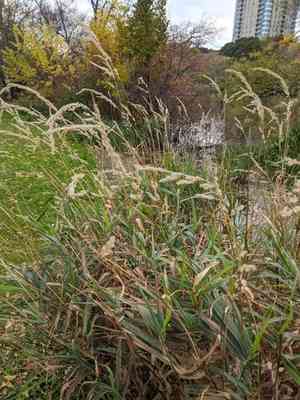
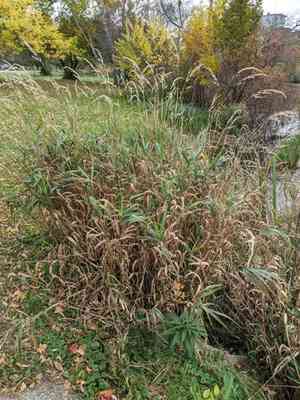
Quickly Identify Reed canary grass
1
Height ranges from 6 to 9 feet (180-275 cm), towering over many other plants.
2
Distinctive reed-like appearance with broad, blade-like leaves and tough, hollow stems.
3
Flowers in tight panicles, greenish-white to pinkish, pyramid-shaped, 0.08 inch (2 mm) in size.
4
Leaves measure 1-4 feet (30-120 cm) long, with longitudinal white stripes and arching habit.
5
Smooth green stem, can grow up to 6.5 feet (200 cm) tall, sturdy, fibrous quality.
Scientific Classification of Reed canary grass
Phylum
Vascular plants
Class
Monocotyledons
Order
Poales
Family
Grass
Genus
Phalaris
Species
Reed canary grass
Planting and Growing of Reed canary grass
Care Difficulty
Easy
Watering Schedule
Every 6 days
Sunlight Requirements
Full sun
Sunshine Duration
6-10 hours
Ideal Temperature
60-75℉
Soil Type
Potting Mix, Peat Mix
Soil pH
6.5-7.5
Fertilizer Type
Balanced
Pruning Season
Spring, Summer
Pruning Area
Branches, Leaves
Pruning Frequency
2 times a year
Repotting Season
Spring
Pot Type
Plastic, Ceramic
 How to Water Reed canary grass?
Phalaris arundinacea, commonly known as reed canary grass, requires moderate amounts of water. A general rule of thumb is to provide around 500 ml per plant, ensuring the soil is moist but not waterlogged. It's crucial to check that the top few inches of soil are dry before watering again, to prevent root rot and other issues associated with overwatering.
What are the symptoms of an underwatered Reed canary grass?
›
What should I do if my Reed canary grass is not getting enough water?
›
What are the symptoms of an overwatered Reed canary grass?
›
How to save an overwatered Reed canary grass?
›
 What Are the Sunlight Requirements for Reed canary grass?
Phalaris arundinacea thrives in full sun to partial sun, with 6 to 8 hours of light daily. This ideal light range ensures optimal photosynthetic activity, promoting robust growth and beam vitality.
More About Sunlight Requirements Techniques→
What amount of sunlight is ideal?
›
How to ensure the plant gets enough light?
›
What are the benefits of ideal lighting conditions?
›
 What Is the Ideal Temperature Range for Reed canary grass?
Phalaris arundinacea thrives in a temperature range of 60-75°F. This range ensures optimal growth, photosynthesis, and development of the plant. The physiological processes of the plant are most efficient in this range, allowing it to flourish in its natural growth cycles.
 What Soil is Best for Reed canary grass?
Phalaris arundinacea thrives in soil that retains moisture well. Loamy soils, with their balanced texture, are excellent for water retention. Keeping the soil consistently moist is crucial for this grass's vigorous growth and prevents the plant from experiencing water stress, ensuring lush and robust growth. Rich in nutrients, loam soils provide an ideal environment for Phalaris arundinacea to access essential nutrients. This fertility supports the grass's steady and healthy development, leading to stronger stems and a more vibrant appearance. While Phalaris arundinacea requires moist conditions, it also benefits from well-drained soil to prevent root rot. Sandy loam offers just the right balance, enabling excess water to trickle away while retaining enough moisture for the roots.
 How to Fertilize Reed canary grass?
For Phalaris arundinacea, apply liquid fertilizer at a rate of one teaspoon per gallon of water, ensuring a balanced nutrient supply without overwhelming the plant's roots and stems.
 How to Prune Reed canary grass?
Choose a dry day when the plant and the surrounding soil aren’t wet. This reduces the risk of spreading diseases during pruning, as moisture can facilitate the transmission of pathogens. For the healthiest growth, cut Phalaris arundinacea back to ground level. This should be done annually at the end of winter, which encourages vigorous growth in spring and helps control its size. Regularly inspect the plant and remove any dead or damaged stems immediately. This not only keeps the plant looking its best but also allows it to focus energy on healthy growth.
More About Pruning Techniques→
 How to Propagate Reed canary grass plant?
1
Fill seed trays with a suitable growing medium and scatter Phalaris arundinacea seeds evenly. Cover them lightly with soil, ensuring adequate light exposure for germination. Maintain consistent moisture levels to facilitate sprouting.
2
Water the plant thoroughly to make digging easier. Use a garden fork to lift the plant, being careful not to damage the roots. Gently shake off excess soil to expose the root system for easier division.
3
Once the root system is exposed, use a sharp tool to divide the clump into smaller sections with at least three to five shoots. Ensure each section has a healthy amount of roots attached for successful replanting.
 How to Repot Reed canary grass plant?
1
Look for signs like roots growing out of drainage holes or a noticeable slowdown in growth. These signals indicate that Phalaris arundinacea is becoming root-bound and needs more space. Ideally, repotting should occur during its active growth phases in spring or autumn for best results.
2
Select a pot that is just one size larger than the current one to avoid excessive soil that could retain too much moisture. The pot should have ample drainage holes to prevent waterlogging, thus facilitating healthy root growth and preventing root rot. This ensures the plant can expand while receiving adequate air circulation.
3
Opt for a loamy, well-draining soil mix with good organic content to provide Phalaris arundinacea with essential nutrients while preventing water retention. A balanced soil composition prevents root suffocation, maintains structure, and supports robust growth by allowing roots to spread with ease.
Toxicity
Ingestion
WARNING
The judgment on toxicity and danger is for reference only. We DO NOT GUARANTEE any accuracy of such judgment. Therefore, you SHALL NOT rely on such judgment. It is IMPORTANT TO SEEK PROFESSIONAL ADVICE in advance when necessary.



