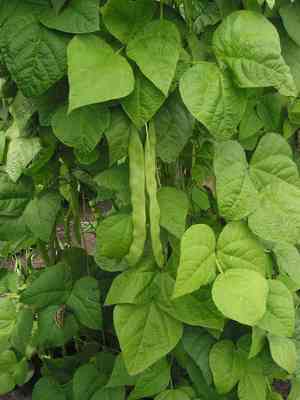
Common bean(Phaseolus vulgaris)

Common bean (Phaseolus vulgaris)

Also known as: Green bean, Pole bean

India is the leading producer of common beans, holding approximately 23% of the global market share. In 2016, the worldwide production of common beans reached 23.6 million tons. Common beans are a significant staple food, and interestingly, the leaves can be used to trap bedbugs. Additionally, beans are sometimes used in a form of fortune-telling known as "pharmancy."

Attributes of Common bean

Lifespan
Annual, Biennial, Perennial
Plant Type
Vine, Herb
Plant Height
20 cm to 60 cm
Spread
30 cm
Leaf Color
Green
Flower Size
2.5 cm
Flower Color
White Yellow Purple Pink

PlantJoy - Identify plants with a snap

Identify and diagnose plants, get toxicity alerts, and explore safety guides for all types of fungi.

Try for Free

Images of Common bean

Common bean(Phaseolus vulgaris)

Quickly Identify Common bean

1
Trifoliate leaves with ovate leaflets
2
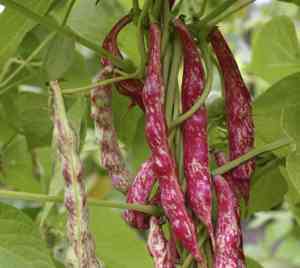
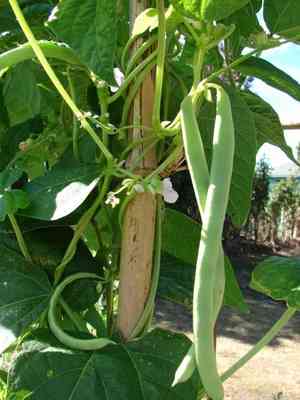
Distinctive boat-shaped seed pods
3
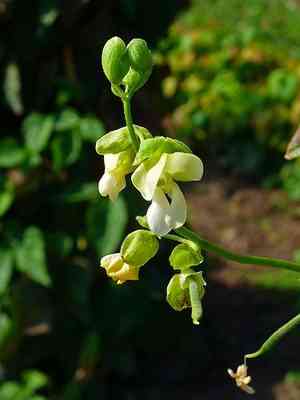
Pea-shaped flowers in racemes
4
Pods changing color from green to brown/black
5
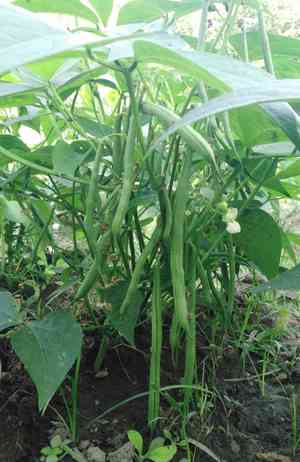
Prolific seed production in elongated pods

Scientific Classification of Common bean

Phylum
Vascular plants
Class
Dicotyledons
Order
Legumes, milkworts and allies
Family
Legume
Genus
Beans
Species
Common bean

Planting and Growing of Common bean

Care Difficulty
Easy
Watering Schedule
Every 8 days
Sunlight Requirements
Full sun
Sunshine Duration
6-10 hours
Ideal Temperature
65-85℉
Soil Type
Potting Mix, Peat Mix
Soil pH
6.5-7.5
Fertilizer Type
Balanced
Pruning Season
Spring, Summer
Pruning Area
Branches, Leaves
Pruning Frequency
2 times a year
Repotting Season
Spring
Pot Type
Plastic, Ceramic

water icon How to Water Common bean?

The ideal watering amount for Phaseolus vulgaris is approximately 500 milliliters per session. This quantity ensures the soil is moist but not waterlogged. The principle to follow is to make sure the top 2-3 inches of soil are damp. Overwatering can cause the roots to rot, while under-watering can hinder growth.
What are the symptoms of an underwatered Common bean?
What should I do if my Common bean is not getting enough water?
What are the symptoms of an overwatered Common bean?
How to save an overwatered Common bean?
More About Watering Techniques

sunlight icon What Are the Sunlight Requirements for Common bean?

Sunlight Requirements: Full sun, Partial sun
Duration of light: 6 to 8 hours
Phaseolus vulgaris benefits most from 6 to 8 hours of consistent sunlight daily, which maximizes photosynthesis, thereby supporting vigorous vegetative growth and rich harvests.
Preferred Sunlight Type
Solution for Ideal Light
Result of Optimal Light Conditions
More About Sunlight Requirements Techniques

temperature icon What Is the Ideal Temperature Range for Common bean?

Ideal Temperature: 65 ~ 85℉
The ideal temperature range for growing Phaseolus vulgaris, commonly known as common beans, is between 65°F and 85°F. This range provides optimal conditions for germination, growth, and yield. These temperatures support efficient physiological processes such as photosynthesis and nutrient uptake, maximizing the plant's development and health.

soil icon What Soil is Best for Common bean?

Soil type: Loam, Sandy loam
Soil PH: 6.5 ~ 7.5
Phaseolus vulgaris thrives in soil rich in organic matter, which provides essential nutrients for growth. Nutrient-rich soil helps in robust plant development and boosts yield. They require soil that drains well to prevent waterlogging, which can lead to root rot. Excellent drainage ensures the roots stay healthy and facilitates thriving growth. Soil should retain some moisture to keep the plants hydrated without causing water stress. This balance in moisture retention supports consistent growth and prevents drought stress. More About Soil

fertilize icon How to Fertilize Common bean?

Fertilizer type: Balanced
Phaseolus vulgaris requires a balanced amount of fertilizer to thrive. Typically, use a 10-10-10 NPK fertilizer at the rate of 1 cup (approximately 200 grams) per 10 square feet for optimal growth. Ensure even distribution to avoid nutrient imbalances. More About Fertilizing Techniques

prune icon How to Prune Common bean?

Pruning Time: Spring, Summer
Begin by assembling a pair of sharp and clean pruning shears, as using clean tools can prevent the spread of diseases. Identify weak, damaged, or dead stems, cutting them close to the plant's base to encourage healthy growth. Trim back any excessive foliage to increase sunlight penetration and improve air circulation. Make angled cuts to prevent water from collecting at the cut site, which reduces the risk of rot. Prune Phaseolus vulgaris during its growing season, primarily in Spring and Summer, when plants can heal faster and new growth is vigorous. Avoid pruning in the heat of the day to prevent plant stress. Instead, perform pruning early in the morning or late afternoon when temperatures are cooler and the plant is less likely to suffer from shock. More About Pruning Techniques

propagate icon How to Propagate Common bean plant?

Propagate Time: Early spring,Late spring,Summer
1
Before planting, soak the Phaseolus vulgaris seeds overnight in water. This helps to soften the seed coat and promotes quicker germination by providing the seeds with moisture.
2
Plant the seeds about 1 inch deep into the seed trays filled with a high-quality seed-starting mix. Ensure adequate spacing between seeds to prevent overcrowding once they sprout.
3
After planting, lightly water the seeds. Keep the medium consistently moist but not waterlogged to facilitate healthy growth.
More About Propagating Techniques

repot icon How to Repot Common bean plant?

Repotting frequency: Once every 1-2 years
1
Recognizing the right time to repot your Phaseolus vulgaris involves observing certain signs. If the roots start to coil around the pot's base, it's a signal that your plant needs more space. Yellowing leaves or a general decline in growth also warrant a repot. Perform this task during its active growing seasons in spring or summer to minimize stress.
2
Select a pot that's one size larger than the current one, providing space for growth but not so large that it risks overwatering. The material should allow good drainage—terracotta pots are an excellent choice for evaporation and breathability. A well-draining pot will reduce the risk of root rot, ensuring healthier growth.
3
Opt for a well-draining soil mix, rich in organic matter. A blend containing peat, perlite, and compost works well, retaining just enough moisture without becoming waterlogged. This mix supports robust root development while providing the necessary nutrients for your plant's growth.

PlantJoy - Identify plants with a snap

Find the best spots for them to optimize their health, simply using your phone.

Try for Free

Toxicity of Common bean

Is Common bean toxic to humans?

The common bean possesses toxic characteristics that can pose risks to human health if consumed in its raw form or inadequately prepared. Toxicity symptoms associated with this plant vary from mild to moderately severe. The primary reason for the beans' toxicity is the high levels of lectins present within them. Symptoms that may arise from consuming these harmful beans consist of abdominal pain, nausea, vomiting, and diarrhea, which could easily be mistaken for food poisoning. Given that the common bean is a widely cultivated food crop, individuals may be at risk if they do not prepare the beans properly before consumption.

Is Common bean toxic to cat?

The common bean poses a toxicity risk to cats, with the fruits acting as the hazardous portion of the plant. Cats may unwittingly ingest these fruits and later exhibit symptoms of distress. If a cat consumes any part of the common bean, it may suffer from illness or discomfort that could be detrimental if veterinary care is not sought promptly. In cases of suspected poisoning, it is imperative to obtain immediate medical assistance at a veterinary clinic to safeguard the cat's health and welfare.

Is Common bean toxic to dog?

The common bean is regarded as harmful to dogs. Canines may suffer from poisoning upon accidental ingestion of this plant. The toxic components of the common bean include its fruits, which can result in a range of symptoms that signal poisoning if consumed by a dog. Pet owners must remain alert for symptoms such as vomiting, diarrhea, lethargy, or more drastic reactions, which can vary based on the quantity eaten and the individual dog's sensitivity. It is crucial that if a dog exhibits any distress signals after consuming common bean, it should be rushed to a veterinary clinic without delay for suitable treatment.

Identify toxic plants for your safety

Learn which plants are harmful to you and your pets, and make informed choices for a safer home!

Try for Free
WARNING
The judgment on toxicity and danger is for reference only. We DO NOT GUARANTEE any accuracy of such judgment. Therefore, you SHALL NOT rely on such judgment. It is IMPORTANT TO SEEK PROFESSIONAL ADVICE in advance when necessary.
More About Toxic Techniques