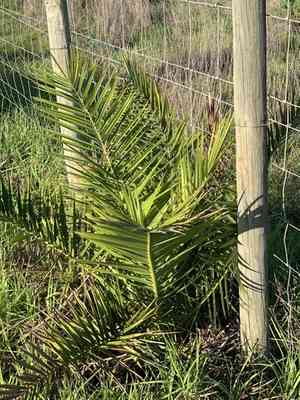
Canary island date palm (Phoenix canariensis)
Also known as: Phoenix palm
The Canary Island date palm (Phoenix canariensis) is a slow-growing tree that can take decades to mature to its full height of 12 to 15 meters. It bears large, orange fruit that are more visually appealing than flavorful. Though native to the Canary Islands, this palm has been introduced to warmer areas of the US, where it necessitates meticulous fertilization to flourish.
In This Article
Attributes of Canary island date palm
Lifespan
Perennial
Plant Type
Palm
Plant Height
10 m to 20 m
Spread
6 m to 12 m
Leaf Color
Green
Flower Size
2.5 cm
Flower Color
Yellow Cream White
Images of Canary island date palm
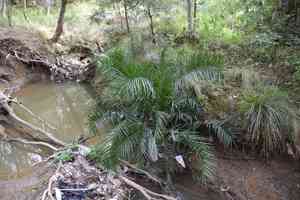
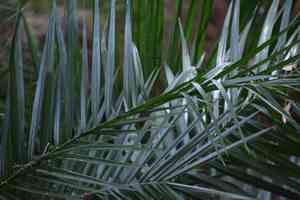
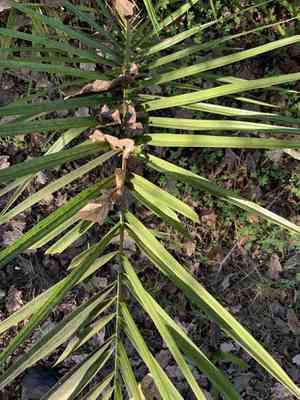
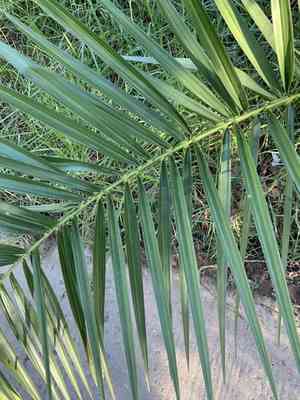
Quickly Identify Canary island date palm
1
Robust trunk reaching 66 feet (20 meters) with long arching fronds.
2
Distinctive yellow-white flowers with notable bracts, male flowers densely packed at 20-28 inches (50-70 cm).
3
Obovoid fruits, 0.6-0.8 inches (1.5-2 cm) long, changing from yellow-green to yellow-orange.
4
Large pinnate leaves, blue-green with 200 stiff leaflets on each side, modified spines at base.
5
Stout trunk, 3-4 feet (1-1.2 meters) in diameter, textured with old frond scars.
Scientific Classification of Canary island date palm
Phylum
Vascular plants
Class
Monocotyledons
Order
Arecales
Family
Palm
Genus
Date palms
Species
Canary island date palm
Planting and Growing of Canary island date palm
Care Difficulty
Easy
Watering Schedule
Every 2 days
Sunlight Requirements
Full sun
Sunshine Duration
6-10 hours
Ideal Temperature
60-75℉
Soil Type
Potting Mix, Peat Mix
Soil pH
6.5-7.5
Fertilizer Type
Balanced
Pruning Season
Spring, Summer
Pruning Area
Branches, Leaves
Pruning Frequency
2 times a year
Repotting Season
Spring
Pot Type
Plastic, Terracotta
 How to Water Canary island date palm?
Phoenix canariensis, or the Canary Island Date Palm, prefers a deep and thorough watering approach. Ensure to water until moisture reaches the root zone, usually achieved by allowing water to soak through for about 1500 ml. This mimics its natural habitat conditions, promoting strong root development.
More About Watering Techniques→
What are the symptoms of an underwatered Canary island date palm?
›
What should I do if my Canary island date palm is not getting enough water?
›
What are the symptoms of an overwatered Canary island date palm?
›
How to save an overwatered Canary island date palm?
›
 What Are the Sunlight Requirements for Canary island date palm?
Phoenix canariensis flourishes under full sun or partial sun conditions, ideally 6 to 8 hours daily. This environment supports photosynthesis, leading to vigorous growth, stronger fronds, and resilience against environmental challenges.
More About Sunlight Requirements Techniques→
What is the ideal light condition for Phoenix canariensis?
›
How can I achieve ideal light conditions for my Phoenix canariensis?
›
What are the benefits of providing ideal light conditions to Phoenix canariensis?
›
 What Is the Ideal Temperature Range for Canary island date palm?
The ideal temperature range for Phoenix canariensis, or Canary Island Date Palm, is between 60°F to 75°F. This temperature range allows the palm to thrive with optimal growth and vibrant green fronds. Growth may stagnate outside this range, emphasizing the importance of maintaining these conditions.
 What Soil is Best for Canary island date palm?
Phoenix canariensis thrives in well-draining soil. Proper drainage prevents waterlogging, which can lead to root rot, helping the plant maintain vigorous growth and health. Rich, nutrient-filled soil is essential for this plant to grow robustly. Regular incorporation of organic matter, like compost, can enhance soil fertility and provide essential nutrients for optimal growth. Moderate soil moisture levels are necessary for Phoenix canariensis. Ensuring the soil stays damp but not soggy helps the plant develop strong roots and tolerates dry spells efficiently.
More About Soil→
 How to Fertilize Canary island date palm?
For the Canary Island Date Palm (Phoenix canariensis), it's crucial to provide the right amount of fertilizer to ensure optimal growth. For every 10 square feet of palm landscape, using about one pound of granular palm fertilizer with an NPK ratio of 8-2-12 is recommended. Liquid fertilizers should be applied at a rate of one ounce per gallon of water, ensuring the soil is evenly moistened.
More About Fertilizing Techniques→
 How to Prune Canary island date palm?
Begin by identifying the fronds that need removal, including brown, dead, or diseased ones. Healthy, green fronds should generally remain untouched unless they're obstructing paths or structures. Using your pruning tools, cut at the base of each identified frond where it meets the trunk. Make clean, precise cuts to help prevent damage and ensure proper healing of the plant. After pruning, ensure that you disinfect your tools with a bleach solution or alcohol to prevent any disease transmission for future gardening tasks. Proper maintenance of tools extends their lifespan and effectiveness.
More About Pruning Techniques→
 How to Propagate Canary island date palm plant?
1
Collect ripe seeds from the mature fruit of Phoenix canariensis, ensuring they are free from damage. Clean them thoroughly to remove any pulp, and optionally soak in water for 24 hours to encourage quicker germination.
2
Prepare a well-draining soil mix by combining sand and peat. Fill the seed trays with this mixture, ensuring it is moist but not soggy, to provide the right environment for seed germination.
3
Sow the seeds in the prepared trays, pressing them slightly into the soil to ensure contact. Cover lightly with soil and water gently to settle. Ensure the seeds are spaced adequately to prevent overcrowding as they grow.
 How to Repot Canary island date palm plant?
1
Phoenix canariensis requires repotting when its roots start to circle the root ball or protrude from drainage holes. This usually indicates the plant is root-bound. Another sign is when water drains too quickly, suggesting the soil has degraded. Ideally, repot during the growing seasons of spring or summer to minimize stress.
2
Select a pot that is one size bigger and has ample drainage holes. The increased size allows space for root development and prevents root rot. A pot with good drainage ensures excess water doesn't stagnate, protecting the plant from diseases. Opting for materials like terracotta can also help regulate moisture.
3
Employ a well-draining potting mix with components such as peat, perlite, and sand. These ensure sufficient aeration and drainage, preventing waterlogged conditions. The mix should retain some moisture but not become compacted, supporting healthy root growth and nutrient uptake for the Canary Island Date Palm.
Toxicity
Ingestion
WARNING
The judgment on toxicity and danger is for reference only. We DO NOT GUARANTEE any accuracy of such judgment. Therefore, you SHALL NOT rely on such judgment. It is IMPORTANT TO SEEK PROFESSIONAL ADVICE in advance when necessary.



