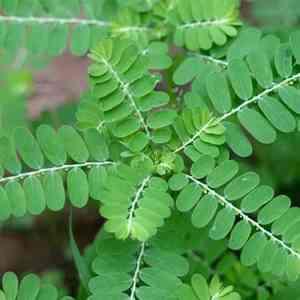
Chamber bitter (Phyllanthus urinaria)
Also known as: Leafflower, Stonebreaker
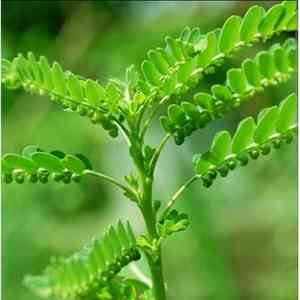
Chamber bitter, known for its summer blooms, features a striking branched leaf pattern that enhances its appeal as an ornamental plant. However, it requires careful management to prevent its seeds from spreading, as it is considered invasive in the southern United States.
In This Article
Attributes of Chamber bitter
Lifespan
Annual
Plant Type
Herb
Plant Height
10 cm to 60 cm
Spread
1 m
Leaf Color
Green
Flower Size
4 mm
Flower Color
White Yellow Green
Images of Chamber bitter
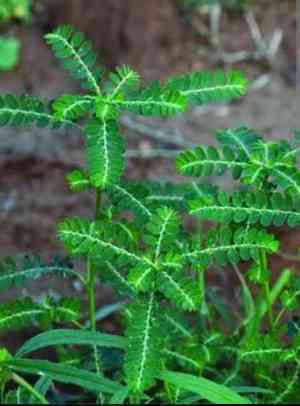
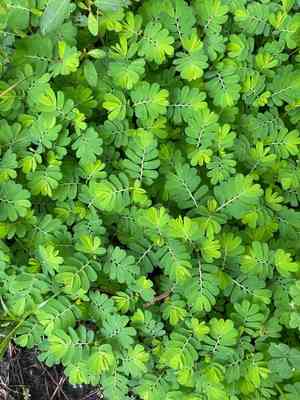
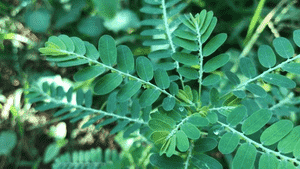
Quickly Identify Chamber bitter
1
Short oblong leaves, 1/2-3/4 inch (1.3-1.9 cm) long, with reddish-green underside.
2
Branching crimson red stems, thin at 0.1-0.2 inches (2-5 mm) diameter.
3
Greenish-white hidden flowers with sessile round fruit at leaf axils.
4
Berry-like fruit, 0.12 inches (3 mm) diameter, textured with raised scales.
5
Male and female flowers coexist, growing singly with mild fragrance.
Scientific Classification of Chamber bitter
Phylum
Vascular plants
Class
Dicotyledons
Order
Nances, spurges, willows and allies
Family
Leaf-flower
Genus
Leafflowers
Species
Chamber bitter
Planting and Growing of Chamber bitter
Care Difficulty
Easy
Watering Schedule
Every 4 days
Sunlight Requirements
Partial sun
Sunshine Duration
4-8 hours
Ideal Temperature
68-77℉
Soil Type
Potting Mix, Peat Mix
Soil pH
5.5-7.5
Fertilizer Type
Balanced
Pruning Season
Spring, Summer
Pruning Area
Branches, Leaves
Pruning Frequency
2 times a year
Repotting Season
Spring
Pot Type
Plastic, Ceramic
 How to Water Chamber bitter?
When watering Phyllanthus urinaria, it's important that the soil is thoroughly moistened without becoming waterlogged. The aim is to get water to penetrate the root zone, typically requiring about 150 ml of water per session. This ensures the roots receive enough moisture but avoids the pitfall of drowning them.
What are the symptoms of an underwatered Chamber bitter?
›
What should I do if my Chamber bitter is not getting enough water?
›
What are the symptoms of an overwatered Chamber bitter?
›
How to save an overwatered Chamber bitter?
›
 What Are the Sunlight Requirements for Chamber bitter?
Phyllanthus urinaria ideally enjoys partial sun to full shade, which ensures it maintains its vigor and lush foliage, preventing stress that could arise from both excessive light and scarcity.
What is the best light condition for Phyllanthus urinaria?
›
How can I ensure ideal lighting conditions indoors?
›
What are the benefits of ideal lighting conditions?
›
 What Is the Ideal Temperature Range for Chamber bitter?
The ideal temperature range for Phyllanthus urinaria to thrive is between 68°F and 77°F. Maintaining this range ensures optimal growth conditions and helps the plant to develop healthily. At these temperatures, the plant is able to conduct photosynthesis effectively, leading to vibrant foliage and strong structural growth.
 What Soil is Best for Chamber bitter?
Phyllanthus urinaria thrives in well-aerated soils where oxygen availability is higher, allowing for optimal root respiration and better uptake of nutrients and water. This condition helps maintain a vigorous root system necessary for healthy plant growth. Excellent drainage is vital for Phyllanthus urinaria to prevent waterlogging, which can lead to root rot. Well-draining soils ensure that excess water is swiftly removed, allowing the roots to access the necessary air pockets within the soil. For lush growth, Phyllanthus urinaria requires nutrient-rich soil. Soils rich in organic matter provide a steady supply of essential nutrients that support healthy leaf production and enable the plant to fend off diseases.
 How to Fertilize Chamber bitter?
For Phyllanthus urinaria, applying a balanced fertilizer at a rate of one teaspoon per gallon of water is generally adequate. This amount provides sufficient nutrients without overwhelming the plant's delicate root system. Be mindful to adjust based on seasonal growth variations, reducing during dormancy.
 How to Prune Chamber bitter?
Prune Phyllanthus urinaria during the growing seasons of spring, summer, and autumn. Avoid pruning during winter when the plant is dormant, as this can stress the plant unnecessarily. Begin by removing any dead or diseased stems at the base. Proceed to trim back larger, bushy growths to maintain a uniform shape. Make each cut just above a leaf node to encourage branching and fuller foliage.
 How to Propagate Chamber bitter plant?
1
Fill seed tray with a well-draining seed-starting mix up to about half an inch from the top. Level the surface with a flat tool to create an even bed for seeds, ensuring optimal seed-to-soil contact.
2
Scatter Phyllanthus urinaria seeds thinly over the surface of the soil. Gently press them into the soil using a flat board, ensuring they have good contact without being completely buried, as they need light to germinate.
3
Cover the seed tray with a clear plastic lid or place it inside a propagator to maintain high humidity. This helps in retaining moisture and warmth, necessary for the seeds to sprout effectively.
 How to Repot Chamber bitter plant?
1
Repotting Phyllanthus urinaria should occur when you observe that the plant's roots are growing out of the drainage holes, or when the plant appears root-bound and the soil drains too quickly. Another signal for repotting is when the growth seems stunted despite adequate light and water. These indicators suggest that the plant needs more space to continue thriving.
2
Select a pot that is one size larger than the current one, ensuring it has ample drainage holes. A well-chosen pot helps in avoiding waterlogging, promoting healthy root growth. The material of the pot, whether clay or plastic, should cater to your watering habits: clay for excess waterers and plastic for those who may under-water.
3
Opt for a soil mix that is light and well-aerated. A well-draining potting mix with added perlite or sand ensures sufficient drainage, preventing root rot. Good soil structure not only provides the necessary nutrients but also ensures proper aeration for the roots, facilitating healthy plant growth.


