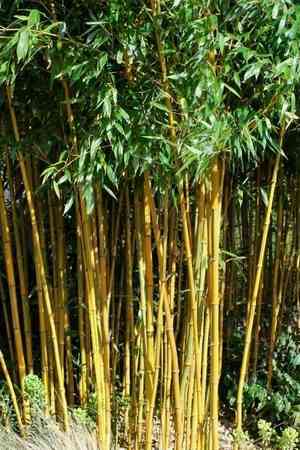
Golden bamboo (Phyllostachys aurea)
Also known as: Fish-pole bamboo, Golden groove bamboo, Fairyland bamboo, Running bamboo
Golden Bamboo (Phyllostachys aurea) is frequently utilized for privacy hedges or screening bushes. This fast-growing plant features canes that turn yellow when exposed to full or partial sun, and these canes can deepen to a gold-orange hue as they mature.
In This Article
Attributes of Golden bamboo
Lifespan
Perennial
Plant Type
Bamboo
Plant Height
5 m to 12 m
Spread
2 m to 5 m
Leaf Color
Green Yellow
Flower Size
N/A (rarely flowers)
Flower Color
Green
Images of Golden bamboo
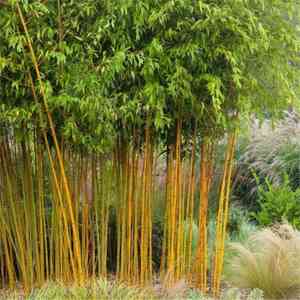
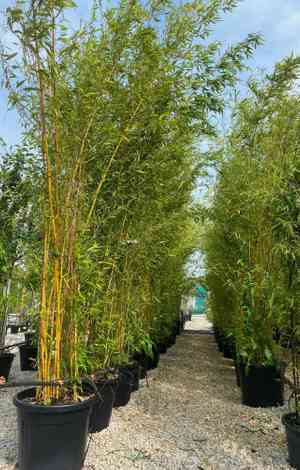
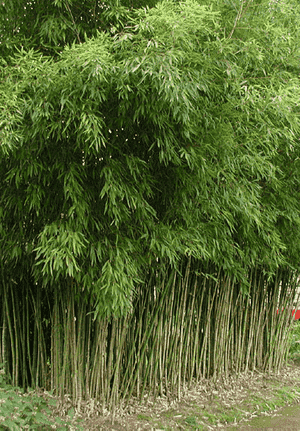
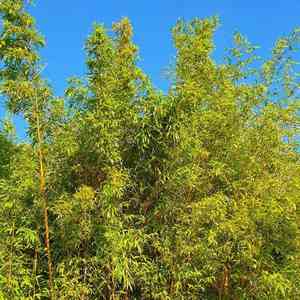
Quickly Identify Golden bamboo
1
Compressed stems with a distinct white node ring
2
Lanceolate leaves with hairy texture at bases
3
Small, inconspicuous flowers in elongated clusters
4
Rare, small fruit resembling a hardened grain
5
Hollow green culms turning yellow in sunlight
Scientific Classification of Golden bamboo
Phylum
Vascular plants
Class
Monocotyledons
Order
Grasses, sedges and allies
Family
Grass
Genus
Bamboo
Species
Golden bamboo
Planting and Growing of Golden bamboo
Care Difficulty
Easy
Watering Schedule
Every 3 days
Sunlight Requirements
Full sun
Sunshine Duration
6-10 hours
Ideal Temperature
60-75℉
Soil Type
Potting Mix, Peat Mix
Soil pH
6.5-7.5
Fertilizer Type
Balanced
Pruning Season
Spring, Summer
Pruning Area
Branches, Leaves
Pruning Frequency
2 times a year
Repotting Season
Spring
Pot Type
Plastic, Ceramic
 How to Water Golden bamboo?
For Phyllostachys aurea, it is crucial to ensure the soil remains consistently moist but not waterlogged. Each watering session should involve approximately 500 milliliters, allowing the water to reach deep into the root zone. Ensure the water drains well to prevent root decay.
What are the symptoms of an underwatered Golden bamboo?
›
What should I do if my Golden bamboo is not getting enough water?
›
What are the symptoms of an overwatered Golden bamboo?
›
How to save an overwatered Golden bamboo?
›
 What Are the Sunlight Requirements for Golden bamboo?
Phyllostachys aurea thrives best in full to partial sunlight conditions, ideally receiving between 4 to 8 hours of light daily. The right light exposure enhances the plant's growth, increases photosynthetic efficiency, and maintains vibrant foliage.
More About Sunlight Requirements Techniques→
Optimal Light Conditions
›
Solution for Ideal Lighting
›
Benefits of Ideal Lighting
›
 What Is the Ideal Temperature Range for Golden bamboo?
For optimal growth, Phyllostachys aurea thrives in temperatures ranging from 60°F to 75°F. This temperature range provides the most suitable environment for the bamboo to maintain its metabolic processes efficiently and encourages healthy, robust growth. Temperatures within this range ensure that the plant can conduct photosynthesis effectively and regulate its internal moisture levels, which are crucial for cell expansion and overall plant health.
 What Soil is Best for Golden bamboo?
Phyllostachys aurea thrives in well-draining soil because it prevents root rot and allows for optimal nutrient uptake. Ensuring excess water drains away quickly helps maintain the health and vibrancy of the plant. A soil rich in organic matter is essential for the growth of Phyllostachys aurea. Such soil provides the necessary nutrients needed for vigorous growth, promoting taller stems and lush foliage. The soil should retain moisture without becoming waterlogged. This balance is crucial for continuous access to water without risking fungal diseases. It helps the bamboo maintain its vigor even during dry periods.
More About Soil→
 How to Fertilize Golden bamboo?
For Phyllostachys aurea, apply approximately 0.5 gallons of diluted liquid fertilizer per plant every two weeks. Ensure the dilution is at half-strength to prevent nutrient burn. For solid fertilizers, scatter around 1-2 pounds per plant in the growing season, integrating into the soil.
More About Fertilizing Techniques→
 How to Prune Golden bamboo?
Begin by assessing the overall structure of the bamboo clump. Look for overcrowded areas and dead or damaged canes. This assessment will help you identify which parts need pruning. Start by removing any dead or damaged canes. Cut these canes at their base to allow room for new growth and to maintain cleanliness in the clump. Focus on thinning overcrowded sections by removing some of the older, weaker canes. This allows sunlight and air to penetrate the clump, promoting healthier growth. If desired, shape the clump by selectively cutting canes that may be growing erratically. This helps maintain a neat and aesthetically pleasing appearance. After pruning, collect all the cut canes and debris. Disposing of this material promptly prevents them from becoming disease or pest havens.
 How to Propagate Golden bamboo plant?
1
Before starting the propagation process, it's crucial to select healthy, disease-free bamboo culms or rhizomes. This step determines the success rate of propagation by starting with vigorous plant material.
2
Carefully dig around the bamboo clump to expose the rhizomes. Cut sections with at least two nodes using sharp pruning shears. Ensure each division has ample roots attached for successful propagation.
3
Choose a well-drained location with adequate sunlight. Amend the soil with organic matter to enhance fertility and drainage, crucial for robust bamboo growth.
 How to Repot Golden bamboo plant?
1
Repotting Phyllostachys aurea is needed when you notice the roots circling the pot or protruding through drainage holes. Additionally, if the growth slows down or it becomes top-heavy, it's a sign that it requires a larger pot for proper development.
2
Choose a pot that is 2-4 inches larger in diameter than the current one. A pot with adequate drainage holes to prevent waterlogging is crucial, as it helps in preventing root rot, which is beneficial for bamboo's growth and longevity.
3
Opt for soil that is rich, well-draining, and loamy. This type of soil helps retain necessary moisture while allowing excess water to drain, ensuring the roots don’t become waterlogged and promoting robust root development.



