
Black bamboo (Phyllostachys nigra)
Also known as: Ebony bamboo
*Dendrocalamus hainanensis* is a bamboo species native to Hainan Island in China. Today, it is also grown in various parts of the world. This versatile bamboo is utilized for food, timber, and crafting musical instruments. Interestingly, its wood does not initially have its characteristic color but develops it over a period of two to three years.
In This Article
Attributes of Black bamboo
Lifespan
Perennial
Plant Type
Bamboo
Plant Height
25 m
Spread
30 m
Leaf Color
Green
Flower Size
N/A – Black Bamboo rarely flowers
Flower Color
White Green
Images of Black bamboo
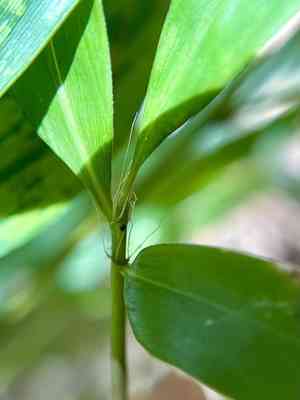
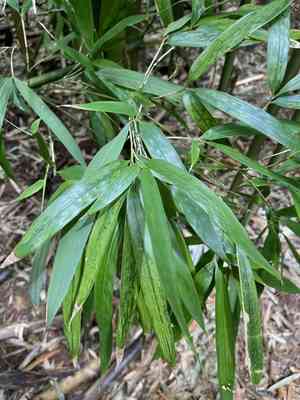
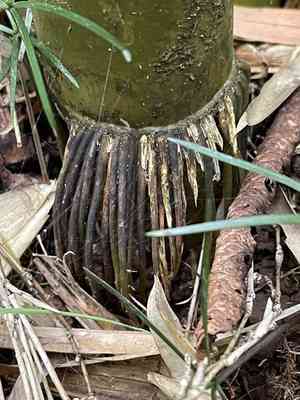
Quickly Identify Black bamboo
1
Unique color-changing canes from green to black over two years.
2
Cane diameter around 1 1/2 inches (3.8 cm).
3
Resilient to 0°F (-18°C) temperatures.
4
Running bamboo growth pattern up to 30 feet (9 meters) tall.
5
Sensitive foliage with potential leaf tip burn in specific conditions.
Scientific Classification of Black bamboo
Phylum
Vascular plants
Class
Monocotyledons
Order
Grasses, sedges and allies
Family
Grass
Genus
Bamboo
Species
Black bamboo
Planting and Growing of Black bamboo
Care Difficulty
Easy
Watering Schedule
Every 8 days
Sunlight Requirements
Full sun
Sunshine Duration
4-8 hours
Ideal Temperature
60-85℉
Soil Type
Potting Mix, Peat Mix
Soil pH
6.5-7.5
Fertilizer Type
Balanced
Pruning Season
Spring, Summer
Pruning Area
Branches, Leaves
Pruning Frequency
2 times a year
Repotting Season
Spring
Pot Type
Terracotta, Plastic
 How to Water Black bamboo?
For Phyllostachys nigra, the watering amount should be enough to thoroughly saturate the soil, but not so much that it remains soggy. This means approximately 500ml per session, depending on the size and moisture of the soil. The goal is to ensure the soil is moist down to a depth of about 5-10 cm.
What are the symptoms of an underwatered Black bamboo?
›
What should I do if my Black bamboo is not getting enough water?
›
What are the symptoms of an overwatered Black bamboo?
›
How to save an overwatered Black bamboo?
›
 What Are the Sunlight Requirements for Black bamboo?
Phyllostachys nigra prefers 6 hours of sunlight, from full sun to partial shade. This range supports optimal growth by fostering strong photosynthesis processes and visually appealing features.
More About Sunlight Requirements Techniques→
What is the best lighting solution?
›
How do you implement the ideal lighting?
›
What are the benefits of ideal lighting?
›
 What Is the Ideal Temperature Range for Black bamboo?
Phyllostachys nigra, commonly known as black bamboo, thrives best in temperatures between 60°F and 85°F. This range provides optimal conditions for growth, allowing the plant to photosynthesize efficiently, maintain hydration, and produce strong culms. Keeping the temperature within this range ensures the plant remains healthy and resilient to potential stressors.
 What Soil is Best for Black bamboo?
Phyllostachys nigra thrives in well-drained soil to prevent waterlogging, which can lead to root rot. A well-aerated substrate supports healthy root development, ensuring vigorous growth. Rich in organic matter, the soil should provide a steady supply of nutrients essential for the bamboo's growth. This nutrient availability enhances leaf production and maintains vibrant foliage. While Phyllostachys nigra enjoys moist environments, the soil must not remain soggy. Balanced moisture levels help in sustaining the plant's hydration needs without causing stress.
 How to Fertilize Black bamboo?
For Phyllostachys nigra, commonly known as black bamboo, proper fertilization requires balance. Ideally, use 1 cup of balanced 10-10-10 NPK fertilizer per 10 square feet. This ensures the plant receives adequate nutrients without overwhelming its needs, supporting robust growth and deep green foliage.
 How to Prune Black bamboo?
Start by gathering all necessary tools, including sharp pruners, a saw for thicker canes, and gloves for protection. Ensure your equipment is clean and sharp to make precise cuts and minimize damage to the bamboo. Focus on the top of the bamboo canopy first, removing any broken or crossing canes. This helps maintain the shape of the plant and allows sunlight to penetrate the foliage, promoting healthy growth. Identify and remove dead, cracked, or diseased canes at ground level. Cutting these canes flush to the ground prevents them from wasting the plant's resources and reduces the risk of disease spreading through the bamboo. Reduce overcrowding by selectively removing canes within congested areas. This allows air circulation and light penetration, both critical for the health of Phyllostachys nigra. Make these cuts to the soil level for best results.
More About Pruning Techniques→
 How to Propagate Black bamboo plant?
1
Choose a mature and healthy parent plant for propagation. Ensuring the parent plant is healthy will improve the success rate as robust divisions or cuttings have a better chance of survival and growth.
2
Prepare the planting site by ensuring it has well-draining soil and receives adequate sunlight. Adjust the soil composition as needed to provide a nutrient-rich environment conducive to growth.
3
Carefully dig up the parent bamboo clump and use a sharp spade to divide it into sections, each with several culms and roots. Plant the divisions immediately in prepared planting sites, ensuring roots are well-covered.
 How to Repot Black bamboo plant?
1
Bamboo plants like Phyllostachys nigra generally need repotting when you notice that their growth has slowed, which might be due to being root-bound. If you see roots growing out of the drainage holes or the soil dries out too quickly after watering, these are clear signs it’s time to find your plant a new home.
2
Select a pot that is 2-4 inches larger in diameter than the current one. This gives the roots plenty of space to grow, supporting healthier and more vigorous bamboo growth. Make sure the pot has good drainage holes to prevent water-logging, which could cause root rot.
3
Opt for well-draining, nutrient-rich loamy soil. This type of soil provides excellent drainage and retains just enough moisture to keep the bamboo happy without risking water-logging. It’s a perfect balance, ensuring the roots have access to nutrients while maintaining good aeration.



