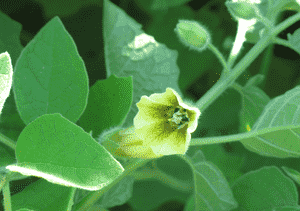
Clammy ground cherry (Physalis heterophylla)
Also known as: Clammy Groundcherry, Variable-leaved Groundcherry
The Clammy ground cherry, scientifically known as Physalis heterophylla, belongs to the Nightshade family. Native to North America, this perennial herb typically grows up to about 49 cm tall. The plant is characterized by its hairy, sticky stems and leaves, which give it a clammy texture. When the fruit matures, it turns yellow and is safe for human consumption.
Attributes of Clammy ground cherry
Images of Clammy ground cherry
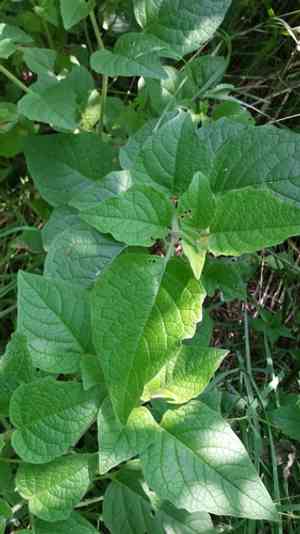
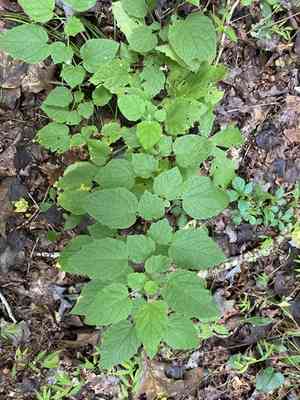
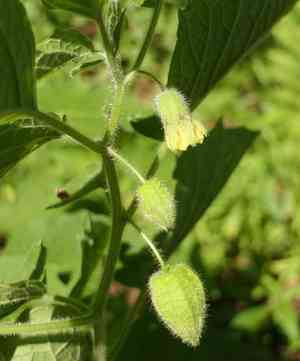
Quickly Identify Clammy ground cherry
Scientific Classification of Clammy ground cherry
Planting and Growing of Clammy ground cherry
 How to Water Clammy ground cherry?
 What Are the Sunlight Requirements for Clammy ground cherry?
 What Is the Ideal Temperature Range for Clammy ground cherry?
 What Soil is Best for Clammy ground cherry?
 How to Fertilize Clammy ground cherry?
 How to Prune Clammy ground cherry?
 How to Propagate Clammy ground cherry plant?
 How to Repot Clammy ground cherry plant?
Toxicity of Clammy ground cherry
Is Clammy ground cherry toxic to humans?
The clammy ground cherry poses a severe risk of toxicity to humans upon consumption of any plant part, especially the fruit and leaves. It harbors solanine, a dangerous alkaloid that may lead to symptoms such as headaches, nausea, diarrhea, numbness, stomach cramps, a swift drop in body temperature, disturbances in the circulatory and respiratory functions, as well as dilated pupils. Ingesting significant quantities of clammy ground cherry can result in deadly consequences.



