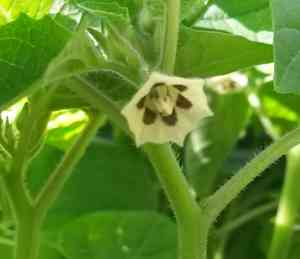
Tomatillo(Physalis philadelphica)

Tomatillo (Physalis philadelphica)

Also known as: Tomatillo, Mexican Husk Tomato

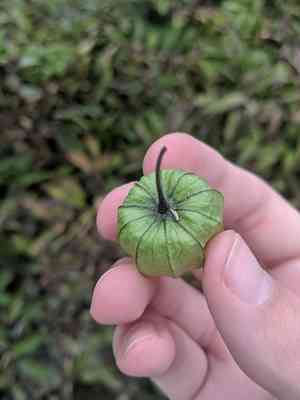
If you've tasted salsa verde, you've likely had a tomatillo. Known for its durability and versatility, this fruit is a staple in Mexican and Central American green sauces. Tomatillos are encased in a papery husk that must be peeled away before eating, as the rest of the plant is toxic. Besides being a key ingredient in sauces, tomatillos can replace tomatoes in recipes or be dried for snacking.

Attributes of Tomatillo

Lifespan
Annual
Plant Type
Herb
Plant Height
1 m
Spread
1 m
Leaf Color
Green
Flower Size
8 mm to 1.5 cm
Flower Color
Yellow Black Gold

PlantJoy - Identify plants with a snap

Identify and diagnose plants, get toxicity alerts, and explore safety guides for all types of fungi.

Try for Free

Images of Tomatillo

Tomatillo(Physalis philadelphica)

Quickly Identify Tomatillo

1
Heart-shaped leaves with a slightly hairy texture, measuring 3-6 inches (7.6-15.2 cm) in length.
2
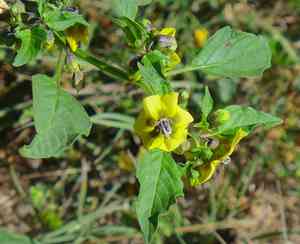
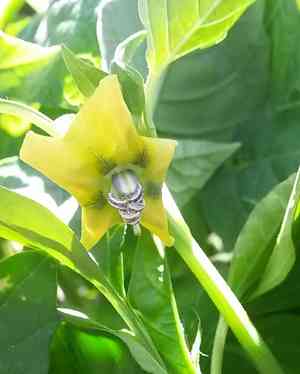
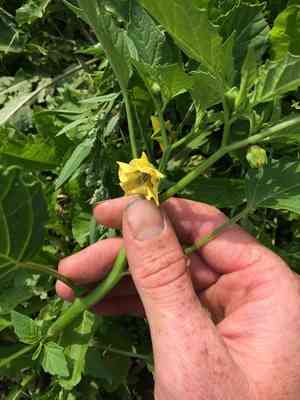
Solitary star or bell-shaped flowers with yellow petals and green or dark centers, about 1 inch (2.5 cm) in size.
3
Spherical green fruits enclosed in lantern-like husks, growing to 1-2 inches (2.5-5 cm) in diameter.
4
Berries ripen to yellow-green or purple hues, filling their husks when ready for consumption.
5
Distinctive appearance with mature edible fruits while rest of plant contains toxic substances.

Scientific Classification of Tomatillo

Phylum
Vascular plants
Class
Dicotyledons
Order
Solanales
Family
Nightshade
Genus
Physalis
Species
Tomatillo

Planting and Growing of Tomatillo

Care Difficulty
Easy
Watering Schedule
Every 4 days
Sunlight Requirements
Full sun
Sunshine Duration
6-10 hours
Ideal Temperature
70-85℉
Soil Type
Potting Mix, Peat Mix
Soil pH
5.5-7.5
Fertilizer Type
Balanced
Pruning Season
Spring, Summer
Pruning Area
Branches, Leaves
Pruning Frequency
2 times a year
Repotting Season
Spring
Pot Type
Plastic, Ceramic

water icon How to Water Tomatillo?

When watering Physalis philadelphica, aim for approximately 500 ml per session. The key is to maintain slightly moist soil without making it waterlogged. Use your finger to check moisture levels; the top inch of soil should be dry before the next watering session.
What are the symptoms of an underwatered Tomatillo?
What should I do if my Tomatillo is not getting enough water?
What are the symptoms of an overwatered Tomatillo?
How to save an overwatered Tomatillo?

sunlight icon What Are the Sunlight Requirements for Tomatillo?

Sunlight Requirements: Full sun, Partial sun
Duration of light: 6 to 8 hours
Ideally, Physalis philadelphica requires partial to full sun, translating to about 6 to 8 hours of sunlight per day. Such exposure encourages vigorous growth and ensures plentiful fruiting by maximizing photosynthesis without overwhelming the plant.
Optimal Duration of Sunlight
Avoid Excessive Shade
Adapting to Changing Seasons

temperature icon What Is the Ideal Temperature Range for Tomatillo?

Ideal Temperature: 70 ~ 85℉
Physalis philadelphica thrives in temperatures between 70°F and 85°F. These temperatures ensure optimal growth by promoting active cellular functions and processes such as photosynthesis. Within this range, plants maintain their health, producing large, flavorful fruits. This temperature range fosters strong root development, effective nutrient absorption, and maximizes resistance to pests and diseases. Maintaining consistent temperatures within this ideal range is crucial for achieving high yields and quality produce.

soil icon What Soil is Best for Tomatillo?

Soil type: Sandy loam, Loam
Soil PH: 5.5 ~ 7.5
Physalis philadelphica thrives in well-draining soil, which prevents waterlogging and root rot. This is crucial for the plant's health as it encourages strong root development and reduces the risk of fungal diseases. A nutrient-rich substrate ensures that Physalis philadelphica has access to all essential nutrients necessary for growth. This leads to healthier plants with higher fruit yield and better disease resistance. Balancing moisture retention is vital. The soil should hold enough moisture to support plant needs but also allow excess water to drain. This helps in maintaining consistent moisture levels, crucial for optimal plant growth.

fertilize icon How to Fertilize Tomatillo?

Fertilizer type: Balanced
Physalis philadelphica requires balanced fertilization to thrive. For liquid fertilizers, use a dilute solution, ideally one part fertilizer to ten parts water. Stick to a general-purpose, water-soluble fertilizer with an N-P-K ratio of approximately 5-10-10. Apply about 2-3 tablespoons per plant monthly.

prune icon How to Prune Tomatillo?

Pruning Time: Spring, Summer
Begin by removing any dead or yellowing leaves, which could host diseases or pests. Next, focus on cutting back leggy branches to promote bushier growth and support a stronger plant structure. Prune any crossing branches to prevent damage caused by rubbing. Aim to keep the central part of the plant open to allow air circulation, reducing the likelihood of mildew and other fungal issues. During pruning, pay close attention to signs of disease or weakness. Remove these branches to help direct the plant’s energy into healthier, more vigorous growth. Keeping the plant tidy helps boost its production capability and overall vitality.

propagate icon How to Propagate Tomatillo plant?

Propagate Time: Spring, Early summer
1
Begin by filling seed trays with a quality potting mix. Sow Physalis philadelphica seeds lightly on the surface and cover them with a thin layer of soil. Maintain the soil damp by gentle watering.
2
Select healthy, non-flowering stems and cut sections of about 4-6 inches. Remove leaves from the lower half, dip the cut end in rooting hormone, and plant in moist potting medium.
3
Once the seedlings or root cuttings have established roots, transplant them into larger pots or directly into the garden. Ensure the location selected has good sunlight and drainage.

repot icon How to Repot Tomatillo plant?

Repotting frequency: Every 1-2 years
1
Repot Physalis philadelphica when you notice roots emerging from the drainage holes or the plant's growth slowing. These are signs that the plant is root-bound and requires more space to flourish.
2
Select a pot about 2 inches larger in diameter than the current one, made of breathable material like terracotta. This ensures improved aeration and sufficient space for root expansion, promoting better plant health.
3
Opt for a well-draining potting mix with a balanced blend, such as peat, perlite, and compost. This combination provides essential nutrients while preventing water-logging, ensuring robust growth.

PlantJoy - Identify plants with a snap

Find the best spots for them to optimize their health, simply using your phone.

Try for Free

Toxicity of Tomatillo

Is Tomatillo toxic to humans?

Tomatillo is regarded as having mild toxicity, with ingestion of any part of the plant potentially causing adverse effects. Specifically, the leaves and unripe fruit are notably more dangerous, while the ripe fruit is generally considered safe for consumption. The toxic properties of this plant stem from its alkaloid components, leading to symptoms that resemble those of anticholinergic poisoning, which include delirium, anxiety, hyperacidity, disorientation, and seizures. In severe instances, these effects may escalate to coma, paralysis, or even death. It is worth noting that direct contact with tomatillo does not induce dermatitis, and there is no indication that it exacerbates hay fever.

Identify toxic plants for your safety

Learn which plants are harmful to you and your pets, and make informed choices for a safer home!

Try for Free
WARNING
The judgment on toxicity and danger is for reference only. We DO NOT GUARANTEE any accuracy of such judgment. Therefore, you SHALL NOT rely on such judgment. It is IMPORTANT TO SEEK PROFESSIONAL ADVICE in advance when necessary.
More About Toxic Techniques