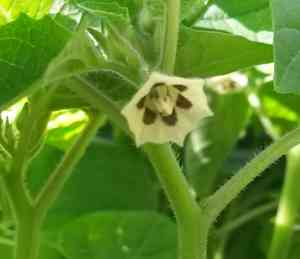
Tomatillo (Physalis philadelphica)
Also known as: Tomatillo, Mexican Husk Tomato
If you've tasted salsa verde, you've likely had a tomatillo. Known for its durability and versatility, this fruit is a staple in Mexican and Central American green sauces. Tomatillos are encased in a papery husk that must be peeled away before eating, as the rest of the plant is toxic. Besides being a key ingredient in sauces, tomatillos can replace tomatoes in recipes or be dried for snacking.
Attributes of Tomatillo
Images of Tomatillo
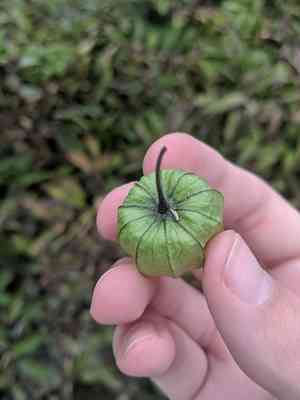
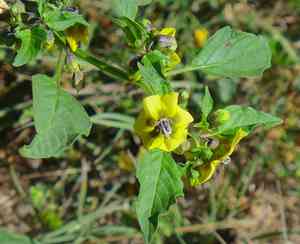
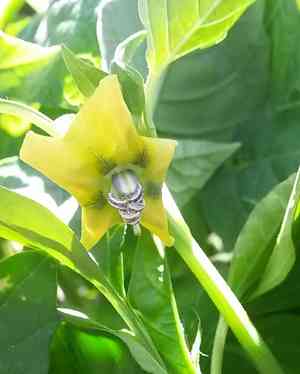
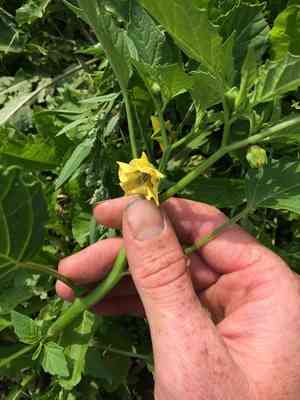
Quickly Identify Tomatillo
Scientific Classification of Tomatillo
Planting and Growing of Tomatillo
 How to Water Tomatillo?
 What Are the Sunlight Requirements for Tomatillo?
 What Is the Ideal Temperature Range for Tomatillo?
 What Soil is Best for Tomatillo?
 How to Fertilize Tomatillo?
 How to Prune Tomatillo?
 How to Propagate Tomatillo plant?
 How to Repot Tomatillo plant?
Toxicity of Tomatillo
Is Tomatillo toxic to humans?
Tomatillo is regarded as having mild toxicity, with ingestion of any part of the plant potentially causing adverse effects. Specifically, the leaves and unripe fruit are notably more dangerous, while the ripe fruit is generally considered safe for consumption. The toxic properties of this plant stem from its alkaloid components, leading to symptoms that resemble those of anticholinergic poisoning, which include delirium, anxiety, hyperacidity, disorientation, and seizures. In severe instances, these effects may escalate to coma, paralysis, or even death. It is worth noting that direct contact with tomatillo does not induce dermatitis, and there is no indication that it exacerbates hay fever.



