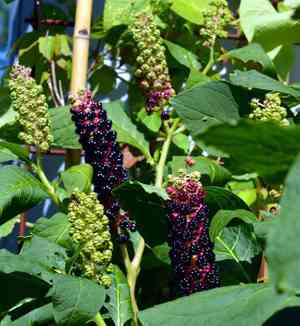
Pokeweed(Phytolacca americana)

Pokeweed (Phytolacca americana)

Also known as: Poke sallet, Poke salad, Dragonberries

Pokeweed's berries might appear appealing, but it's crucial to remember that both the berries and roots are toxic and should not be consumed. Despite being regarded as a nuisance by farmers, pokeweed is frequently cultivated for its decorative appeal. Additionally, the berries can be used to produce pokeberry ink.

Attributes of Pokeweed

Lifespan
Perennial
Plant Type
Herb
Plant Height
1 m to 3 m
Spread
90 cm to 1.5 m
Leaf Color
Green Purple Yellow
Flower Size
2 cm to 5 cm
Flower Color
White Green Pink

PlantJoy - Identify plants with a snap

Identify and diagnose plants, get toxicity alerts, and explore safety guides for all types of fungi.

Try for Free

Images of Pokeweed

Pokeweed(Phytolacca americana)

Quickly Identify Pokeweed

1
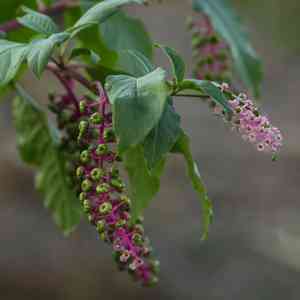
Robust perennial, heights of 4-10 feet (1.2-3 meters)
2
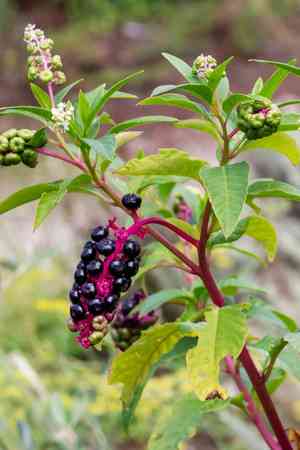
Purple stem, up to 2 inches (5 cm) in diameter
3
Large ovate leaves, up to 12 inches (30 cm) long
4
White flowers in 8-inch (20 cm) racemes
5
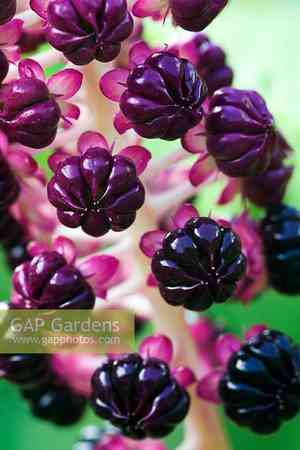
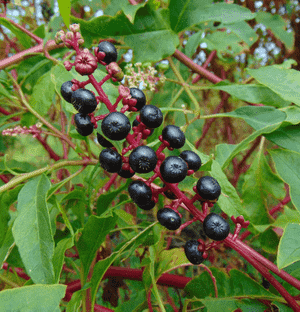
Clusters of dark purple-black berries, 0.2 inches (5 mm) in diameter

Scientific Classification of Pokeweed

Phylum
Vascular plants
Class
Dicotyledons
Order
Pinks, cacti, and allies
Family
Pokeweed
Genus
Pokeweeds
Species
Pokeweed

Planting and Growing of Pokeweed

Care Difficulty
Easy
Watering Schedule
Every 4 days
Sunlight Requirements
Full sun
Sunshine Duration
6-10 hours
Ideal Temperature
60-75℉
Soil Type
Potting Mix, Peat Mix
Soil pH
6.5-7.5
Fertilizer Type
Balanced
Pruning Season
Spring, Summer
Pruning Area
Branches, Leaves
Pruning Frequency
2 times a year
Repotting Season
Spring
Pot Type
Plastic, Ceramic

water icon How to Water Pokeweed?

Phytolacca americana prefers consistent moisture but not waterlogged soil. Aim to saturate the soil thoroughly without causing standing water, approximately 500ml should suffice per watering, ensuring the top few inches are moistened deeply.
What are the symptoms of an underwatered Pokeweed?
What should I do if my Pokeweed is not getting enough water?
What are the symptoms of an overwatered Pokeweed?
How to save an overwatered Pokeweed?

sunlight icon What Are the Sunlight Requirements for Pokeweed?

Sunlight Requirements: Full sun, Partial sun
Duration of light: 6 to 8 hours
The ideal light range for Phytolacca americana is full sun to partial sun. Consistent exposure to this light level stimulates vigorous growth, supports chlorophyll synthesis, and encourages abundant berry production.
What is the ideal sunlight condition?
How can I ensure ideal lighting for my plant?
What are the benefits of ideal lighting?

temperature icon What Is the Ideal Temperature Range for Pokeweed?

Ideal Temperature: 60 ~ 75℉
Phytolacca americana, commonly known as American pokeweed, thrives best at temperatures ranging from 60°F to 75°F. Maintaining this temperature range will facilitate vigorous growth, optimal leaf production, and overall plant health.

soil icon What Soil is Best for Pokeweed?

Soil type: Loam, Clay soil
Soil PH: 6.5 ~ 7.5
Phytolacca americana thrives in nutrient-rich soil that provides it with essential minerals and compounds for growth. High levels of organic matter contribute to healthier roots and vibrant foliage, supporting the plant's robust development. Ensuring the soil is well-draining is crucial as it prevents waterlogging, which can lead to root rot. Adequate drainage promotes healthy root systems and ensures the plant absorbs the necessary nutrients efficiently. While well-draining, the soil should also retain some moisture to keep the plant hydrated. It helps maintain an optimal balance between moisture and dryness, essential for minimizing stress and promoting vigorous growth.

fertilize icon How to Fertilize Pokeweed?

Fertilizer type: Balanced
Phytolacca americana is not a heavy feeder, so it requires only a moderate amount of fertilizer. Apply a balanced 10-10-10 fertilizer at a rate of 1 pound per 100 square feet. Be cautious not to overdo it, as excessive nutrients can lead to an overabundance of growth and reduced berry production.

prune icon How to Prune Pokeweed?

Pruning Time: Spring, Summer
Start by removing any dead or damaged stems, cutting them at their base. Trim back new growth to maintain the desired shape, making sure not to cut more than one-third of the plant at once to avoid stress. Make clean cuts slightly above a node, angling away from the bud to promote proper water runoff. This technique helps direct future growth and minimizes the risk of infections. Dispose of all trimmings responsibly, as the plant is considered invasive in many areas. Prevent trimmings from taking root by ensuring they are securely bagged and removed from the area.

propagate icon How to Propagate Pokeweed plant?

Propagate Time: Early spring,Late spring
1
Harvest seeds from mature berries of Phytolacca americana. Ensure that the berries are ripe, then extract and clean the seeds to remove any pulp. This prevents mold growth during storage.
2
Sow the cleaned seeds in a seed tray filled with moist potting mix. Cover them lightly with soil, ensuring that they are not buried too deeply, as this can hinder germination.
3
Keep the seed tray consistently moist by misting it regularly. Moisture is vital for germination but avoid making the media waterlogged to prevent fungal issues.

repot icon How to Repot Pokeweed plant?

Repotting frequency: Every 2-3 years
1
Phytolacca americana shows it's ready for repotting when you notice roots growing through the drainage holes or the plant becoming top-heavy and unstable. An ideal sign is when growth noticeably slows despite regular care. These conditions typically indicate that the plant has outgrown its current pot, signaling a prime time for repotting. Choose spring or autumn for this task to minimize stress and maximize growth potential.
2
Select a pot that is one size larger than the current one, with good drainage holes to prevent waterlogging. A good rule of thumb is using a pot made of breathable material like clay, which allows proper air circulation to the roots. This helps prevent root rot and ensures Phytolacca americana thrives by facilitating nutrient absorption and moisture regulation.
3
For Phytolacca americana, use a well-drained garden soil mix, supplemented with organic matter like compost. This type of soil supports healthy root development by providing essential nutrients and preventing water stagnation, which can lead to root rot. The organic matter also improves soil texture and fertility, promoting lush foliage and robust growth.

PlantJoy - Identify plants with a snap

Find the best spots for them to optimize their health, simply using your phone.

Try for Free

Toxicity of Pokeweed

Is Pokeweed toxic to humans?

The consumption of any portion of pokeweed—whether it be the stem, roots, berries, or leaves—induces toxic effects in humans. Ingesting any part of this plant can lead to severe consequences, including fatality, birth defects, and cancer resulting from genetic mutations. Immediate signs of pokeweed poisoning may consist of gastrointestinal disturbances, vomiting, diarrhea, excessive salivation, stomach cramps, and a burning feeling in the mouth. In cases of larger ingestion, more serious symptoms like anemia, seizures, and respiratory failure may manifest. Children are particularly at risk of accidental ingestion due to the appealing clusters of berries, and this plant thrives in a variety of natural habitats.

Is Pokeweed toxic to cat?

Pokeweed is a hazardous plant that presents a significant risk to cats. Any part of the pokeweed plant contains poisonous compounds, and cats may be poisoned through unintentional consumption. Symptoms of physical distress may manifest after a cat consumes pokeweed, necessitating prompt veterinary care. If pokeweed poisoning is suspected, it is crucial for pet owners to act swiftly and obtain treatment at a veterinary clinic to safeguard the health of their beloved feline.

Is Pokeweed toxic to dog?

Pokeweed is a poisonous plant that poses a serious threat to dogs if ingested. Dogs can unintentionally consume various parts of this plant, resulting in toxic reactions. Every component of pokeweed, including its leaves, stems, roots, and berries, is deemed harmful and can lead to serious health complications in dogs. Signs of poisoning may manifest as vomiting, diarrhea, abdominal discomfort, breathing difficulties, and lethargy. In extreme cases, consumption can trigger seizures or even lead to death. It is vital for dog owners to ensure their pets are kept away from any part of this plant and to promptly consult a veterinarian if they suspect their dog has ingested pokeweed. Timely intervention is essential for the recovery of the affected animal.

Identify toxic plants for your safety

Learn which plants are harmful to you and your pets, and make informed choices for a safer home!

Try for Free
WARNING
The judgment on toxicity and danger is for reference only. We DO NOT GUARANTEE any accuracy of such judgment. Therefore, you SHALL NOT rely on such judgment. It is IMPORTANT TO SEEK PROFESSIONAL ADVICE in advance when necessary.