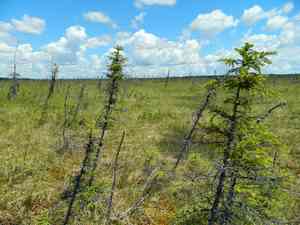
Black spruce (Picea mariana)
Also known as: Swamp spruce
Black spruce (Picea mariana), also known as bog spruce, shortleaf black spruce, and swamp spruce, thrives in wet environments. It is also recognized as the provincial tree of Newfoundland.
In This Article
Attributes of Black spruce
Lifespan
Perennial
Plant Type
Tree
Plant Height
9 m to 15 m
Spread
1.8 m to 3.5 m
Leaf Color
Green
Flower Size
2.5 cm
Flower Color
Yellow Purple Red Brown Lavender Burgundy Gold
Images of Black spruce
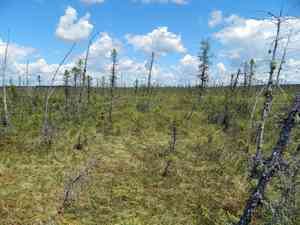
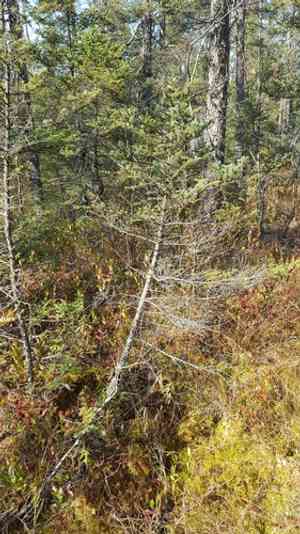
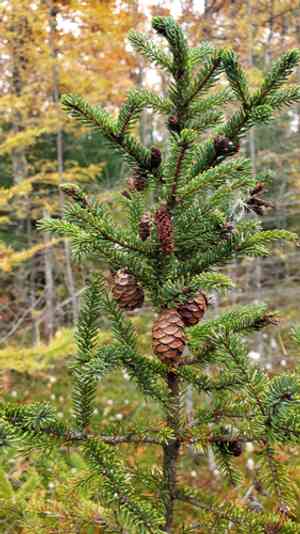

Quickly Identify Black spruce
1
Slender, conical growth habit resembling a spire.
2
Dull bluish-green needles, 4-sided, with faint white lines.
3
Purplish-brown, glossy cones measuring 1.5-2.5 inches (4-6 cm).
4
Inconspicuous reddish-purple pollen cones, cylindrical, 0.2-0.4 inches (5-10 mm).
5
Female seed cones initially purplish, turning brown, 0.6-1.6 inches (1.5-4 cm) long.
Scientific Classification of Black spruce
Phylum
Vascular plants
Class
Conifers
Order
Pinales
Family
Pine
Genus
Spruces
Species
Black spruce
Planting and Growing of Black spruce
Care Difficulty
Easy
Watering Schedule
Every 2 days
Sunlight Requirements
Full sun
Sunshine Duration
4-8 hours
Ideal Temperature
50-70℉
Soil Type
Potting Mix, Peat Mix
Soil pH
4-5.5
Fertilizer Type
Balanced
Pruning Season
Spring, Summer
Pruning Area
Branches, Leaves
Pruning Frequency
2 times a year
Repotting Season
Spring
Pot Type
Plastic, Ceramic
 How to Water Black spruce?
For Picea mariana, it's crucial to ensure the soil is moist but not waterlogged. The best approach is to water it thoroughly until the soil feels damp about a couple of inches down. This generally means around 500 ml per watering session.
What are the symptoms of an underwatered Black spruce?
›
What should I do if my Black spruce is not getting enough water?
›
What are the symptoms of an overwatered Black spruce?
›
How to save an overwatered Black spruce?
›
 What Are the Sunlight Requirements for Black spruce?
Picea mariana grows best under full sun or partial sun conditions. Ideal sunlight encourages robust growth, vibrant needle color, and a stronger immune response to pests and diseases.
More About Sunlight Requirements Techniques→
How much sunlight does Picea mariana need?
›
What if full sunlight is not available?
›
How to ensure adequate sunlight for optimal growth?
›
 What Is the Ideal Temperature Range for Black spruce?
The ideal temperature range for growing Picea mariana, also known as Black Spruce, falls between 50°F and 70°F. These temperatures mimic the natural environments where these trees thrive, such as cool and moist climates. Maintaining temperatures in this range fosters optimal growth by ensuring cellular functions occur efficiently without causing thermal stress to the plant.
 What Soil is Best for Black spruce?
Picea mariana thrives in soils that can retain moisture without becoming waterlogged. The right balance ensures the tree has adequate water during dry periods, fostering healthy growth and robust foliage. A nutrient-rich soil, particularly high in organic matter, supports vigorous growth and enhances the spruce's resistance to pests and diseases. Such soil continually replenishes the nutrients required for sustainable development. Well-aerated soil promotes healthy root development by allowing air to penetrate the root zone, preventing root rot and fostering an environment for beneficial microbes. This leads to a resilient and thriving tree.
 How to Fertilize Black spruce?
For Picea mariana, the amount of fertilizer used will depend on the age and size of the plant. Typically, for younger plants, it is sufficient to use about 0.5 lbs of balanced fertilizer per year, while mature plants may require up to 1 lb. This ensures a healthy development without overwhelming the plant with nutrients.
 How to Prune Black spruce?
Begin by removing any dead, damaged, or diseased branches first. Use sharp pruning shears to make clean cuts just above a healthy bud or lateral branch. Avoid cutting the central leader, which is the main vertical stem, as this can negatively impact the natural shape of the tree. Focus on thinning out crowded areas to foster better air circulation and prevent disease. Cut back any branches that cross over each other and remove weak or thin branches to enhance symmetry. When pruning for shape, follow the natural outline of the tree to maintain its elegant appearance. Monitor the growth of side branches and trim them to prevent them from outgrowing the central leader, promoting even and healthy growth.
More About Pruning Techniques→
 How to Propagate Black spruce plant?
1
To start seed propagation, collect seeds from healthy Picea mariana cones when they are fully mature. Dry the cones, then extract the seeds carefully, ensuring to remove any debris or non-viable seeds. Aim to conduct this process in early spring when conditions are favorable for germination.
2
Prepare a well-draining growing medium for seed propagation, such as a mix of peat moss and sand. This medium provides necessary nutrition and aeration. Ensure the medium is slightly moist before sowing the seeds to promote better germination rates.
3
Select healthy, semi-hardwood cuttings from the parent plant for cutting propagation. Remove the bottom leaves and dip the cut end into rooting hormone to stimulate root growth. Plant the cuttings into a prepared medium, making sure the nodes are buried sufficiently for root establishment.
 How to Repot Black spruce plant?
1
The ideal time to repot Picea mariana is when you notice its roots circling the pot, indicating root-bound conditions. Additionally, if the plant displays slower growth or dries out quickly between waterings, it may need repotting. Performing this task during spring or summer ensures the plant has ample time to acclimate and thrive in its new environment.
2
Choose a pot that is approximately 2 inches wider and deeper than the current one to give the roots space to expand. The pot should have good drainage holes to prevent water accumulation. Opting for terracotta pots is beneficial because they enable moisture regulation, preventing root rot and ensuring healthy growth.
3
The ideal soil for repotting Picea mariana should be composed of a mix of acidic, well-draining, and loamy components. This ensures the roots receive the necessary nutrients while allowing for adequate moisture drainage, preventing the risk of waterlogging and promoting robust plant health.



