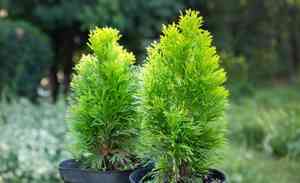
Sitka spruce (Picea sitchensis)
Also known as: Western spruce, Silver spruce, Yellow spruce
The Sitka spruce (*Picea sitchensis*) ranks as the fifth-tallest conifer globally, reaching heights up to 70 meters. It thrives in cool, maritime coastal regions, preferring deep, moist, well-drained soils. This spruce produces reddish to yellowish-brown seed cones. Its wood is light and soft yet strong and flexible, making it ideal for musical instruments like guitars and pianos due to its acoustic properties. Additionally, Sitka spruce wood has been historically utilized in early aircraft and boat construction.
In This Article
Attributes of Sitka spruce
Lifespan
Perennial
Plant Type
Tree
Plant Height
80 m
Spread
6 m to 9 m
Leaf Color
Green Blue
Flower Size
6 cm to 10 cm
Flower Color
Green Yellow Purple Red Brown Lavender Burgundy
Images of Sitka spruce
Quickly Identify Sitka spruce
1
Pendulous branches reaching the ground, forming a majestic open crown structure.
2
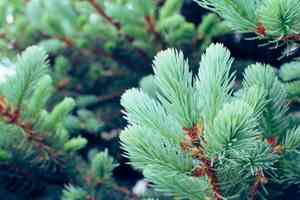
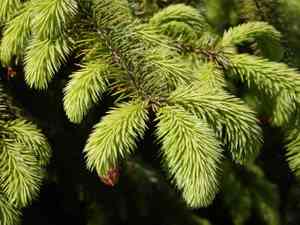
Stiff, sharp, four-sided needles with blue-green upper side and bluish-white undersides.
3
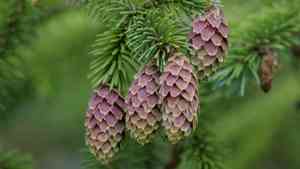
Female cones reddish-brown, cylindrical, 2 to 3 inches (5 to 8 cm) long with toothed scales.
4
Yellowish-brown to orangish-brown twigs with numerous woody pegs and reddish-brown rounded buds.
5
Bark evolving from smooth gray to dark purplish-brown, becoming scaly with age.
Scientific Classification of Sitka spruce
Phylum
Vascular plants
Class
Conifers
Order
Pinales
Family
Pine
Genus
Spruces
Species
Sitka spruce
Planting and Growing of Sitka spruce
Care Difficulty
Hard
Watering Schedule
Every 3 days
Sunlight Requirements
Full sun
Sunshine Duration
4-6 hours
Ideal Temperature
45-65℉
Soil Type
Potting Mix, Peat Mix
Soil pH
5-6.5
Fertilizer Type
Balanced
Pruning Season
Spring, Summer
Pruning Area
Branches, Leaves
Pruning Frequency
2 times a year
Repotting Season
Spring
Pot Type
Plastic, Ceramic
 How to Water Sitka spruce?
For Picea sitchensis, or the Sitka spruce, appropriate watering involves ensuring the soil is hydrated until well saturated but not soggy. Aim to water thoroughly until excess moisture drains from the bottom, indicating sufficient saturation, typically around 1000 milliliters per session.
What are the symptoms of an underwatered Sitka spruce?
›
What should I do if my Sitka spruce is not getting enough water?
›
What are the symptoms of an overwatered Sitka spruce?
›
How to save an overwatered Sitka spruce?
›
 What Are the Sunlight Requirements for Sitka spruce?
Picea sitchensis benefits from full to partial sun, enhancing photosynthesis, promoting vigorous growth, and ensuring a full, lush canopy with minimal pests and diseases.
More About Sunlight Requirements Techniques→
What is the recommended light intensity?
›
How to achieve optimal sunlight exposure?
›
What benefits from ideal lighting?
›
 What Is the Ideal Temperature Range for Sitka spruce?
The ideal temperature range for Picea sitchensis, or Sitka spruce, is between 45°F and 65°F. This range ensures optimal growth, allowing the tree to maintain healthy cellular processes and photosynthesis rates. Temperatures within this range help the Sitka spruce thrive, providing the best conditions for growth and resilience.
 What Soil is Best for Sitka spruce?
Picea sitchensis thrives in nutrient-rich loamy soil due to its excellent ability to retain moisture while ensuring proper drainage. This balance is crucial for sustaining the tree's deep root system and supporting its rapid growth. It’s important for the soil to be well-draining and slightly acidic, with a pH range between 5.0 and 6.5. Such conditions prevent root rot and ensure the tree receives vital nutrients, promoting vibrant foliage and healthy development. While Picea sitchensis requires consistent moisture, soil must also be aerated to allow oxygen to reach the roots. This combination encourages robust growth and helps the tree withstand various environmental stresses.
More About Soil→
 How to Fertilize Sitka spruce?
Picea sitchensis, or Sitka spruce, requires moderate amounts of fertilizer. Typically, you should apply about one to two pounds of a balanced granular fertilizer per 100 square feet. This amount ensures that the tree receives adequate nutrients without the risk of over-fertilization, which can be harmful.
 How to Prune Sitka spruce?
Begin by removing any dead or diseased branches to promote the health of the tree. Next, focus on maintaining the natural shape of the Picea sitchensis. Carefully trim back longer branches to keep a balanced look and prevent overcrowding. Always cut back to a lateral branch or the main trunk to ensure natural regrowth. Thinning the canopy helps increase sunlight and airflow, reducing the risk of fungal diseases. Use selective pruning to remove inner branches that are smaller and crowded. This helps open up the tree, promoting a better growing environment and healthier foliage.
More About Pruning Techniques→
 How to Propagate Sitka spruce plant?
1
Gather seeds from mature cones in late autumn. Let the cones dry and open naturally to release seeds. Ensure seeds are mature and undamaged for better germination rates.
2
Select healthy branches with new growth for cuttings. Trim the cuttings to approximately 15 centimeters and remove lower leaves. Dip the cut end in a rooting hormone to stimulate root growth.
3
Select a healthy rootstock and a compatible scion. Make precise cuts to ensure a snug fit. Secure the graft using grafting tape and place it in a controlled environment until it heals.
 How to Repot Sitka spruce plant?
1
The perfect time to repot your Picea sitchensis is during its growth spurt in spring or autumn. Look for signs it requires repotting: roots protruding from drainage holes or the plant looking top-heavy and unstable.
2
Select a pot that's 2 inches larger in diameter than the current one, ensuring it has sufficient drainage holes. This will provide enough space for root expansion, preventing root bound issues and promoting healthy growth.
3
Opt for an acidic, well-draining soil mix. It should retain some moisture but allow excess water to drain easily. This soil mix mirrors the natural habitat of the Sitka Spruce, aiding in strong root development.



