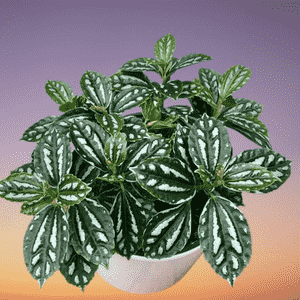
Aluminum plant (Pilea cadierei)
Also known as: Aluminum Plant, Watermelon Pilea
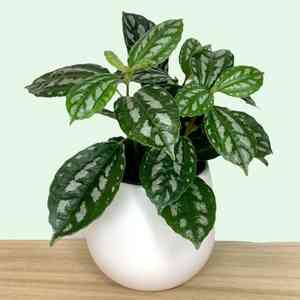
The aluminum plant, known for its striking metallic-silver patterned leaves set against a dark green backdrop, is a popular indoor choice. This compact perennial typically reaches about 30 cm in height and features oval, textured leaves. For optimal growth, it prefers bright but indirect light, as direct sunlight can damage the foliage. Additionally, maintaining a moderate humidity level around 50-60% is ideal. Its unique appearance makes it a favorite for enhancing the aesthetic of indoor spaces, especially in terrariums or on tabletops.
In This Article
Attributes of Aluminum plant
Lifespan
Perennial
Plant Type
Herb
Plant Height
30 cm
Spread
21 cm
Leaf Color
Green Silver Gray
Flower Size
1.8 mm to 2 mm
Flower Color
Silver Gray Green Pink White
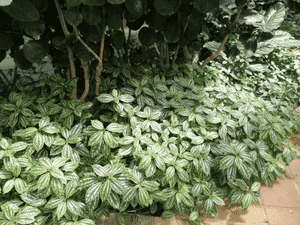
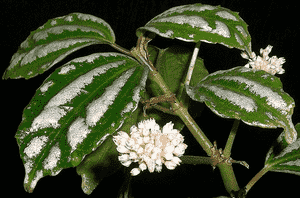
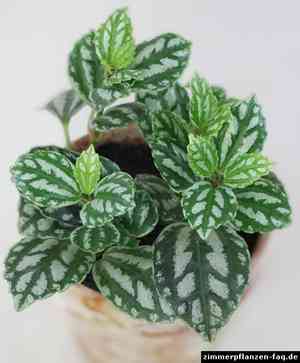
Images of Aluminum plant
Quickly Identify Aluminum plant
1
Leaves are dark green with distinct silver patches, oval, 2-4 inches (5-10 cm) long, deeply veined.
2
Stems are thin but sturdy, may cascade if not pruned, greenish or pink-tinged, 1/8 inch (3-4 mm) thick.
3
Flowers are small, greenish-white, <0.1 inch (2-3 mm), grow in clusters, lack scent.
4
Fruits are small, dry, egg-shaped achenes, compressed, 1.5 mm (0.06 inches) long, enclosed in indehiscent structure.
5
Overall plant prefers moderate moisture, well-draining peaty soil, compact growth when pinched back.
Scientific Classification of Aluminum plant
Phylum
Vascular plants
Class
Dicotyledons
Order
Roses, elms, figs, and allies
Family
Nettle
Genus
Clearweed
Species
Aluminum plant
Planting and Growing of Aluminum plant
Care Difficulty
Easy
Watering Schedule
Every 3 days
Sunlight Requirements
Partial sun
Sunshine Duration
4-8 hours
Ideal Temperature
65-75℉
Soil Type
Potting Mix, Peat Mix
Soil pH
6.5-7.5
Fertilizer Type
Balanced
Pruning Season
Spring, Summer
Pruning Area
Branches, Leaves
Pruning Frequency
Once a year
Repotting Season
Spring
Pot Type
Terracotta, Plastic
 How to Water Aluminum plant?
Pilea cadierei requires moderate watering, ensuring the soil is consistently moist but not waterlogged is key. Allow the top inch of the soil to dry out between waterings. This method prevents root rot and ensures the plant thrives in a stable environment.
More About Watering Techniques→
What are the symptoms of an underwatered Aluminum plant?
›
What should I do if my Aluminum plant is not getting enough water?
›
What are the symptoms of an overwatered Aluminum plant?
›
How to save an overwatered Aluminum plant?
›
 What Are the Sunlight Requirements for Aluminum plant?
Partial sunlight ensures that Pilea cadierei remains healthy without taking damage from harsh rays. Adequate light encourages vibrant silver patterns and robust growth.
More About Sunlight Requirements Techniques→
Why does Pilea cadierei need indirect light?
›
How can I achieve ideal lighting?
›
What are the benefits of optimal lighting?
›
 What Is the Ideal Temperature Range for Aluminum plant?
Pilea cadierei thrives best within an ideal temperature range of 65 to 75 degrees Fahrenheit. Keeping the temperature stable within this range ensures optimal growth and prevents stress on the plant. This range mimics their native tropical environment, providing conditions conducive to vigorous growth.
 What Soil is Best for Aluminum plant?
Pilea cadierei thrives in well-draining soil which helps prevent waterlogging and root rot. Proper drainage ensures healthy root systems by allowing excess water to escape, facilitating air circulation around the roots. The plant benefits from soil rich in organic matter which provides essential nutrients for growth. A balanced nutrient profile supports vibrant leaf color and robust growth, enhancing the plant's natural resilience. Maintaining a pH between 6.5 and 7.5 ensures nutrient availability and optimal growth. An adequately balanced pH level enhances the plant's ability to absorb necessary elements, promoting overall vitality.
More About Soil→
 How to Fertilize Aluminum plant?
For Pilea cadierei, it's crucial to use a balanced 10-10-10 liquid fertilizer, diluted to half strength. For each application, ensure that the soil is evenly moist, and apply no more than 1-2 teaspoons of the diluted solution to avoid overwhelming the plant.
More About Fertilizing Techniques→
 How to Prune Aluminum plant?
Start by inspecting the plant for any dead or yellowing leaves, and remove these first. Use a pair of clean, sharp scissors to trim these away as close to the stem as possible. Next, assess the shape of your Pilea cadierei, and trim back any excessively long or unwieldy branches. This will promote a more compact growth and enhance its aesthetic appeal. To encourage fuller and bushier growth, focus on pruning just above the leaf nodes—these are the points where leaves attach to the stem. New growth will emerge from these nodes, invigorating your plant with a denser appearance. Additionally, removing the topmost growth can stimulate more side branching.
More About Pruning Techniques→
 How to Propagate Aluminum plant plant?
1
Choose healthy stems with several leaves when taking cuttings. Ensure the cuttings are disease-free and have been watered properly a day before cutting.
2
Cut the stem at a node using sharp scissors. Remove the lower leaves to prevent rot in contact with moist soil. Dip the cut end in rooting hormone for better results.
3
Place the prepared cutting into a container filled with well-draining potting mix. Ensure the node where leaves were removed is under the soil surface to encourage root growth.
 How to Repot Aluminum plant plant?
1
You know it's time to repot your Pilea cadierei when you see roots coming out of the drainage holes, the growth has slowed despite receiving good care, or the soil seems to dry out very quickly after a thorough watering. These are clear indicators that the plant is becoming root-bound and needs more room to grow.
2
Select a pot that is only one size bigger than the current one, with ample drainage holes. This helps prevent overwatering and provides enough space for root expansion. The material can vary—terracotta pots are ideal if you have the tendency to overwater, as they allow the soil to dry out faster.
3
Utilize a well-draining potting mix, preferably something designed for houseplants with organic matter and perlite or sand to ensure good aeration. This type of soil prevents water logging issues, allowing the plant to thrive in its new environment.



