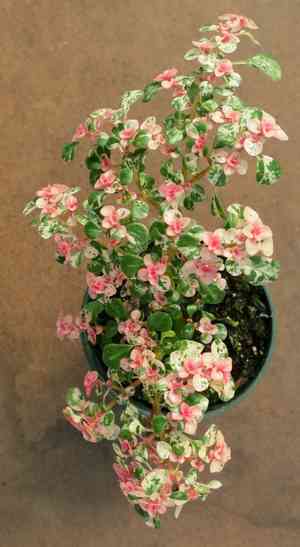
Artillery plant (Pilea microphylla)
Also known as: Artillery weed, Pistol plant
The artillery plant, frequently used as a groundcover or ornamental in various landscapes, gets its name from the explosive manner in which it releases pollen. This plant thrives in humid environments with partial shade or indirect sunlight and is particularly popular in indoor rock gardens.
In This Article
Attributes of Artillery plant
Lifespan
Perennial, Annual
Plant Type
Herb
Plant Height
17 cm
Spread
30 cm to 60 cm
Leaf Color
Green
Flower Size
1 mm
Flower Color
White Yellow Pink Green
Images of Artillery plant
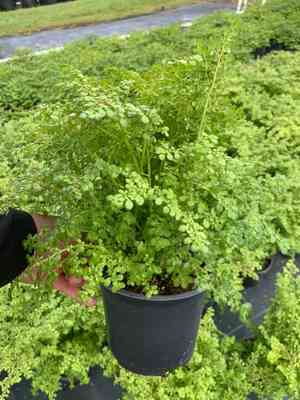
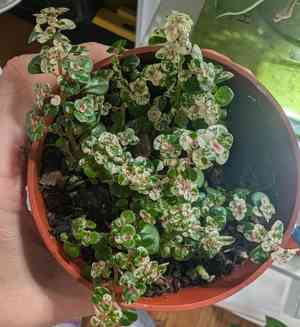
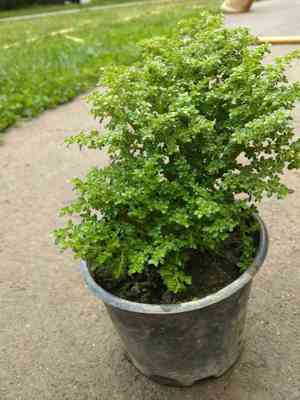
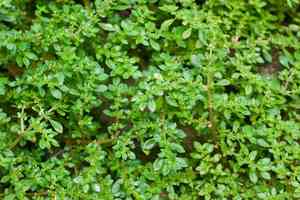
Quickly Identify Artillery plant
1
Lush mat of bright green, ovoid to lanceolate leaves (0.5 inches / 1.27 cm) on spreading stems.
2
Low height rarely exceeding 12 inches (30 cm), suitable for clusters and dense vegetative layer.
3
Small, inconspicuous flowers (0.1 inches / 2-3 mm) in leaf axils, lacking scent, integral plant component.
4
Fleshy, lanceolate to spatulate leaves (0.6 - 1.2 cm / 0.24 - 0.47 inches) with succulent texture.
5
Simple vein pattern with central midrib, bright green color contributing to delicate appearance.
Scientific Classification of Artillery plant
Phylum
Vascular plants
Class
Dicotyledons
Order
Rosales
Family
Nettle
Genus
Clearweed
Species
Artillery plant
Planting and Growing of Artillery plant
Care Difficulty
Easy
Watering Schedule
Every 4 days
Sunlight Requirements
Partial sun
Sunshine Duration
4-8 hours
Ideal Temperature
65-75℉
Soil Type
Potting Mix, Peat Mix
Soil pH
6-7.5
Fertilizer Type
Balanced
Pruning Season
Spring, Summer
Pruning Area
Branches, Leaves
Pruning Frequency
2 times a year
Repotting Season
Spring
Pot Type
Plastic, Ceramic
 How to Water Artillery plant?
When watering Pilea microphylla, ensure you provide approximately 100 ml of water per session. The goal is to keep the soil lightly moist, as too much water can lead to waterlogging while too little can dry the plant out. Feel the soil's top inch; if it feels dry, it's time to water.
What are the symptoms of an underwatered Artillery plant?
›
What should I do if my Artillery plant is not getting enough water?
›
What are the symptoms of an overwatered Artillery plant?
›
How to save an overwatered Artillery plant?
›
 What Are the Sunlight Requirements for Artillery plant?
Partial sun to full shade is optimal for Pilea microphylla, ensuring that it receives balanced lighting conditions which help in maintaining healthy foliage and encouraging steady growth patterns.
How much light does Pilea microphylla need?
›
What are the best practices for positioning the plant?
›
Why is the ideal light crucial for Pilea microphylla?
›
 What Is the Ideal Temperature Range for Artillery plant?
Pilea microphylla thrives best in temperatures between 65°F and 75°F. This range provides optimal conditions for metabolic functions, photosynthesis, and enzymatic activities which lead to healthy growth and vibrant foliage.
 What Soil is Best for Artillery plant?
Pilea microphylla thrives in well-draining soil to prevent waterlogging. Proper drainage helps in avoiding root rot, allowing the plant to grow healthier and stronger. It requires a nutrient-rich medium to support its lush foliage. A nutrient-rich soil provides essential minerals for robust growth and vibrant green leaves. The soil should have a consistent texture to ensure even water retention and aeration. Consistent texture promotes balanced root development and improves nutrient absorption efficiency.
 How to Fertilize Artillery plant?
When fertilizing Pilea microphylla, use a balanced fertilizer with an NPK ratio of 10-10-10 or a similar blend. For liquid fertilizer, use one teaspoon per gallon of water, ensuring the solution is diluted properly to avoid over-fertilization.
 How to Prune Artillery plant?
Begin by examining the plant for dead or unhealthy branches. This is crucial as it helps to identify which parts need removal to encourage new growth and maintain plant health. Make clean cuts at a slight angle just above a node or leaf joint. This encourages new growth to form correctly and reduces water accumulation that could lead to rot. Trim to maintain a compact form. Cutting back leggy stems encourages a bushier appearance, which is ideal for Pilea microphylla as it grows thick foliage. Gather and dispose of all clippings properly to prevent any pest infestation. Leaving debris around the plant can attract pests or cause fungal diseases.
 How to Propagate Artillery plant plant?
1
Choose healthy and disease-free stems from the parent plant. The stems should be robust, green, and without any discoloration or damage.
2
Using sharp pruning shears, cut the stems at an angle to increase surface area for rooting. Each cutting should be about 3-4 inches long.
3
Dip the cut end of each stem into rooting hormone, shake off the excess, and gently insert them into a pot filled with moist potting mix.
 How to Repot Artillery plant plant?
1
Repotting your Pilea microphylla is necessary when you observe it becoming root-bound, with roots growing out of the drainage holes or circling the container. Another signal is if the plant's growth slows down significantly or if water drains too quickly, suggesting the soil quality has deteriorated.
2
Opt for a pot just one or two inches larger in diameter than the current one. Ensure it has ample drainage holes, which prevent water from stagnating and consequently reduces the risk of root rot. A breathable material, such as terracotta, is ideal as it allows excess moisture to evaporate.
3
For Pilea microphylla, a well-draining potting mix is essential to prevent water-logged roots. Incorporate perlite or pumice to improve aeration. A mix with organic material, such as peat or coconut coir, is beneficial as it retains necessary moisture without compacting.



