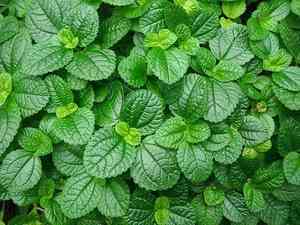
Creeping charlie (Pilea nummulariifolia)
Also known as: Aaron's beard, Swedish ivy
Creeping Charlie (Pilea nummulariifolia) is a popular choice for its vibrant green leaves, making it a great ornamental plant. It thrives in terrariums, hanging baskets, and rock gardens, adding a lush, cascading element. It's also perfect for green walls and as a ground cover in shaded areas. However, be cautious, as it can spread rapidly and dominate the space.
In This Article
Attributes of Creeping charlie
Lifespan
Perennial
Plant Type
Herb
Plant Height
10 cm to 15 cm
Spread
30 cm
Leaf Color
Green
Flower Size
2.5 cm
Flower Color
White Green
Images of Creeping charlie
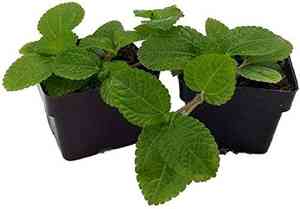
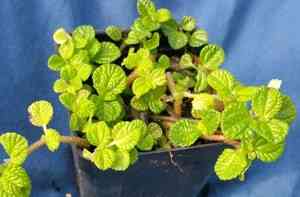
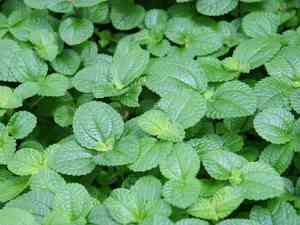
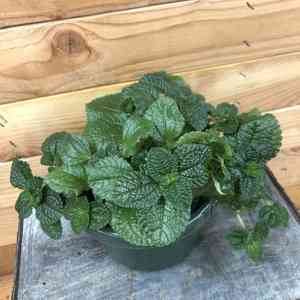
Quickly Identify Creeping charlie
1
Lush mat-forming growth habit with oval-shaped leaves (1-2 inches or 2.5-5 cm).
2
Distinctively crinkled leaves with sunken veins and glossy, medium green surface.
3
Small, inconspicuous flowers ranging from white to pinkish.
4
Fruit characterized by small green achenes less than 0.2 inches (5 mm).
5
Reddish stems with thin structure, rooting at nodes for propagation.
Scientific Classification of Creeping charlie
Phylum
Vascular plants
Class
Dicotyledons
Order
Roses, elms, figs, and allies
Family
Nettle
Genus
Clearweed
Species
Creeping charlie
Planting and Growing of Creeping charlie
Care Difficulty
Easy
Watering Schedule
Every 8 days
Sunlight Requirements
Partial sun
Sunshine Duration
6-12 hours
Ideal Temperature
65-75℉
Soil Type
Potting Mix, Peat Mix
Soil pH
6.5-7.5
Fertilizer Type
Balanced
Pruning Season
Spring, Summer
Pruning Area
Branches, Leaves
Pruning Frequency
2 times a year
Repotting Season
Spring
Pot Type
Plastic, Ceramic
 How to Water Creeping charlie?
When watering Pilea nummulariifolia, aim to soak the soil thoroughly while ensuring well-drainage to prevent standing water. It takes about 150 milliliters per session, allowing the soil to be moist but not soggy.
What are the symptoms of an underwatered Creeping charlie?
›
What should I do if my Creeping charlie is not getting enough water?
›
What are the symptoms of an overwatered Creeping charlie?
›
How to save an overwatered Creeping charlie?
›
 What Are the Sunlight Requirements for Creeping charlie?
Pilea nummulariifolia prefers partial sunlight, resembling a forest understory environment with few hours of filtered light. Ideal lighting supports lush foliage, prevents etiolation, and fosters overall healthy growth.
More About Sunlight Requirements Techniques→
How much sunlight does Pilea nummulariifolia need?
›
What are the ideal conditions for its placement?
›
Benefits of receiving ideal light conditions?
›
 What Is the Ideal Temperature Range for Creeping charlie?
For optimal growth, Pilea nummulariifolia thrives best in temperatures between 65°F and 75°F. This range mimics the plant's native tropical environment, ensuring healthy foliage and vibrant growth. Maintaining this temperature range helps in minimizing stress, promoting lush leaves, and supporting vigorous plant development. Such conditions also facilitate the plant's natural lifecycle and flowering tendencies.
 What Soil is Best for Creeping charlie?
Pilea nummulariifolia thrives in soil that allows water to drain freely. This reduces the risk of root rot, ensuring your plant stays healthy and vibrant. This plant loves soil that is rich in organic matter. The nutrients in the soil supply the essential minerals needed for lush, green foliage. While the soil should drain well, it should also retain enough moisture to keep the plant's roots hydrated, which is crucial for its growth.
 How to Fertilize Creeping charlie?
For Pilea nummulariifolia, it is essential to apply a balanced liquid fertilizer at a quarter to half the recommended strength. Typically, mix about 5-10 ml of liquid fertilizer with a liter of water. This ensures that the plant receives adequate nutrients without the risk of burning its roots due to over-fertilization.
 How to Prune Creeping charlie?
Before beginning, ensure you have a pair of sharp, clean scissors or pruning shears. This helps provide a clean cut, minimizing damage to the plant tissues and preventing infections. Examine the Pilea carefully, focusing on elongated stems or any foliage that appears unhealthy. Identify branches that need trimming to maintain a balanced and aesthetic shape. Begin by cutting away any yellowed or wilted leaves. Trim as close to the stem as possible without damaging the healthy parts of the plant to promote robust regrowth. Pinch or trim the tips of the branches. This encourages the plant to grow more side shoots, resulting in a fuller appearance.
More About Pruning Techniques→
 How to Propagate Creeping charlie plant?
1
Choose a healthy, non-flowering stem that is approximately 3–6 inches long for taking cuttings. Avoid using parts of the plant that show signs of disease or pests to ensure successful propagation.
2
Remove the lower leaves from the cutting to expose a section of the stem, which will be submerged in rooting medium. Dip the cut end in rooting hormone to promote root growth.
3
Place the cut end of the stem into a pot filled with a well-draining potting mix. Ensure that the stem is securely positioned in the soil and water it lightly to settle the soil around the stem.
 How to Repot Creeping charlie plant?
1
Pilea nummulariifolia should be repotted when its roots begin to emerge from the drainage holes or when the plant appears too dense for its current pot. This usually occurs once every one to two years. Repotting in early spring or summer will help it to thrive and take full advantage of the growing season.
2
Select a pot that is one size larger than the current pot and has drainage holes to prevent waterlogging. A pot that is too large can lead to overwatering, while one that is too small may restrict root growth. A medium-sized terracotta or ceramic pot is ideal for stabilizing moisture levels while allowing adequate root expansion.
3
Opt for a well-draining potting mix that promotes aeration and prevents root rot. An ideal blend includes peat, perlite, and coarse sand. This mix allows the roots to breathe while retaining necessary moisture and nutrients, facilitating healthy growth and water management.



