
Clearweed (Pilea pumila)
Also known as: Clearweed, Robber Weed, Canadian Clearweed
Clearweed, known scientifically as Pilea pumila, is an annual edible plant in the nettle family. It features a translucent stem and typically forms clumps or colonies in moist, shaded forest areas. The plant is noted for its unique leaves and small, yellow-green flowers.
In This Article
Attributes of Clearweed
Lifespan
Annual
Plant Type
Herb
Plant Height
20 cm to 50 cm
Spread
6 cm
Leaf Color
Green
Flower Size
2.5 cm
Flower Color
Green White Yellow Gold
Images of Clearweed
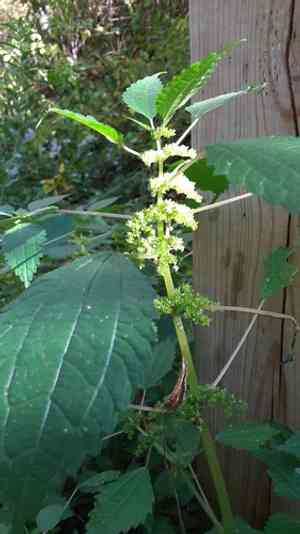
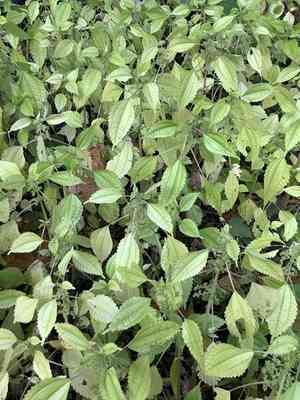
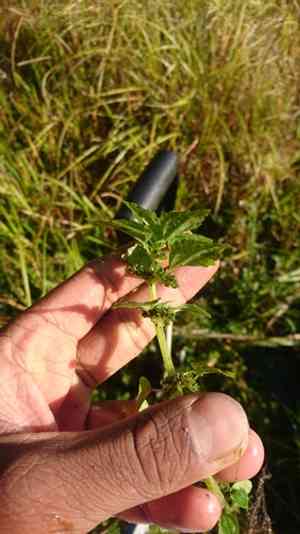
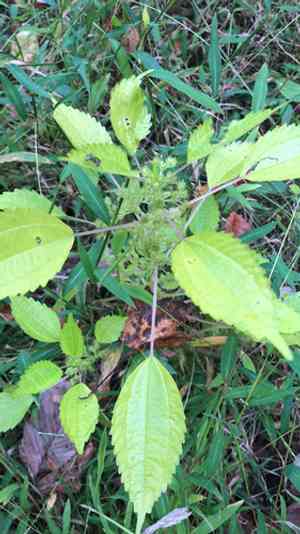
Quickly Identify Clearweed
1
Leaves are ovate, translucent, and shiny, measuring 1.5 to 3 inches (3.8 to 7.6 cm) in length.
2
White-green flowers lack petals, less than 1/8 inch (3.2 mm) in size, blooming in mid-summer.
3
Fruits are green with black stripes, oblong-shaped achenes measuring 0.07 to 0.1 inches (1.8 to 2.5 mm).
4
Opposite leaves are dark green, hairless, with serrate margins and distinct venation pattern.
5
Petioles are long, 1 inch (2.5 cm) or more, enhancing the visibility of the leaves.
Scientific Classification of Clearweed
Phylum
Vascular plants
Class
Dicotyledons
Order
Rosales
Family
Nettle
Genus
Clearweed
Species
Clearweed
Planting and Growing of Clearweed
Care Difficulty
Easy
Watering Schedule
Every 8 days
Sunlight Requirements
Partial sun
Sunshine Duration
4-6 hours
Ideal Temperature
64-77℉
Soil Type
Potting Mix, Peat Mix
Soil pH
6.5-7.5
Fertilizer Type
Balanced
Pruning Season
Spring, Summer
Pruning Area
Branches, Leaves
Pruning Frequency
2 times a year
Repotting Season
Spring
Pot Type
Plastic, Ceramic
 How to Water Clearweed?
For Pilea pumila, it's crucial to maintain evenly moist soil without waterlogging. This delicate balance means watering roughly 150 ml per session, ensuring the soil is adequately damp but not soggy. Water until you see it slightly draining from the pot bottom.
What are the symptoms of an underwatered Clearweed?
›
What should I do if my Clearweed is not getting enough water?
›
What are the symptoms of an overwatered Clearweed?
›
How to save an overwatered Clearweed?
›
 What Are the Sunlight Requirements for Clearweed?
Pilea pumila flourishes in partial sun, receiving 2 to 6 hours of indirect light daily. Such conditions harness the benefits of natural light without the risks of light stress.
More About Sunlight Requirements Techniques→
What is the ideal amount of sunlight for Pilea pumila?
›
How to ensure Pilea pumila receives ideal lighting conditions?
›
What are the benefits of ideal lighting for Pilea pumila?
›
 What Is the Ideal Temperature Range for Clearweed?
The ideal temperature range for Pilea pumila, commonly known as Clearweed, is between 64°F and 77°F. This range provides the optimal conditions for photosynthesis, growth, and overall health. It is essential to maintain this temperature range for the best results as it mimics the temperate conditions of its native habitat in North America.
 What Soil is Best for Clearweed?
Pilea pumila thrives in nutrient-rich loam that retains moisture yet drains well. This type of soil provides essential nutrients and is loose enough to allow root expansion, crucial for steady growth. Ensuring good drainage is vital as it prevents waterlogging, which can lead to root rot. Optimal drainage allows the roots to breathe and access necessary oxygen, promoting overall plant health. The presence of organic matter like compost enhances the soil's fertility and structure, supporting robust growth. It enriches the soil with microorganisms that help in nutrient absorption and soil aeration.
More About Soil→
 How to Fertilize Clearweed?
For Pilea pumila, it’s essential to provide balanced nutrition without overwhelming its delicate root system. A quarter-strength liquid fertilizer is usually sufficient when fertilizing, ensuring the plant maintains vibrant foliage without risking nutrient burn.
More About Fertilizing Techniques→
 How to Prune Clearweed?
Begin by identifying the areas of your Pilea pumila that look overgrown or leggy. Use sterilized scissors or pruning shears to trim these stems back to a node, which is where leaves and branches join the stem. Make your cut just above a node to encourage new growth. Always aim for a balanced shape to enhance aesthetics and ensure even light distribution across the plant. After pruning, ensure your Pilea pumila has optimal growing conditions, such as indirect sunlight, consistent watering, and adequate humidity. Pruning can stress a plant, so monitoring its recovery and adjusting care as needed will help it bounce back quickly.
More About Pruning Techniques→
 How to Propagate Clearweed plant?
1
Collect seeds from the Pilea pumila plant once they’ve matured. Soak them in water for 24 hours to soften the outer shell for better germination before planting.
2
Select a healthy, non-flowering stem and cut a section about 3-4 inches long. Strip the lower leaves and treat the cut end with rooting hormone to encourage root development.
3
Gently remove the plant from its pot or soil and carefully separate it into sections with roots intact. Each section should have enough roots and shoots to grow independently.
 How to Repot Clearweed plant?
1
Pilea pumila needs repotting primarily when roots start poking through the drainage holes or if growth seems stunted. It's crucial to observe these signals, as they indicate the plant's need for more space, which happens roughly annually.
2
Select a pot that's one size larger with ample drainage holes to prevent waterlogging. This ensures the roots have enough space to expand and helps avoid root rot by draining excess water efficiently, maintaining a healthy growth environment.
3
A mix rich in organic matter that holds moisture yet drains well is ideal for Pilea pumila. This combination prevents over-drying while providing essential nutrients, supporting vigorous, healthy plant development and minimizing stress during the transition phase.



