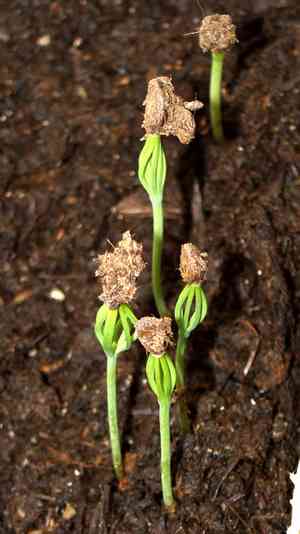
Rocky Mountain Bristlecone Pine (Pinus aristata)
Also known as: Hickory Pine
The Rocky Mountain Bristlecone Pine, scientifically named *Pinus aristata*, is one of three species grouped together as bristlecone pines. In 1992, a specimen of this species, estimated to be around 2,480 years old, was found on Black Mountain in Colorado. The term "aristata" in its Latin name refers to its "prickly" nature.
In This Article
Attributes of Rocky Mountain Bristlecone Pine
Lifespan
Perennial
Plant Type
Tree
Plant Height
2.5 m to 6 m
Spread
3 m to 4.5 m
Leaf Color
Green Blue
Flower Size
2.5 cm
Flower Color
Yellow Green Red
Images of Rocky Mountain Bristlecone Pine
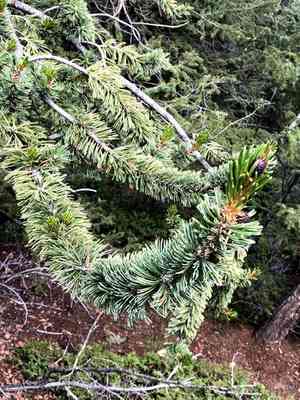
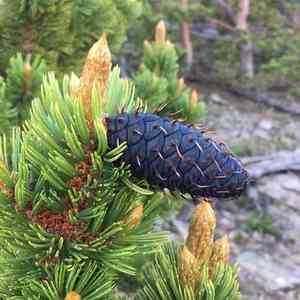
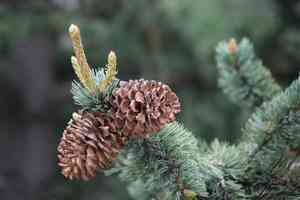
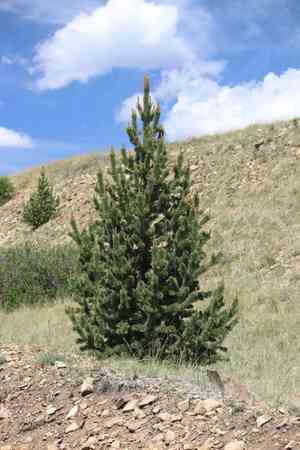
Quickly Identify Rocky Mountain Bristlecone Pine
1
Compact, irregular growth forming round or flat shape.
2
Blue-green needles with resinous coating and distinct aroma.
3
Female flowers develop into woody cones, reddish-purple.
4
Tough, bristly cones with light brown color and armored scales.
5
Bluish-green needles in bundles of five, with white resin dots.
Scientific Classification of Rocky Mountain Bristlecone Pine
Phylum
Vascular plants
Class
Conifers
Order
Pinales
Family
Pine
Genus
Pines
Species
Rocky Mountain Bristlecone Pine
Planting and Growing of Rocky Mountain Bristlecone Pine
Care Difficulty
Hard
Watering Schedule
Every 2 days
Sunlight Requirements
Full sun
Sunshine Duration
6-10 hours
Ideal Temperature
55-75℉
Soil Type
Potting Mix, Peat Mix
Soil pH
5.5-7.5
Fertilizer Type
Balanced
Pruning Season
Spring, Summer
Pruning Area
Branches, Leaves
Pruning Frequency
2 times a year
Repotting Season
Spring
Pot Type
Plastic, Ceramic
 How to Water Rocky Mountain Bristlecone Pine?
For Pinus aristata, the watering should mimic its natural high-altitude mountain environment. Provide about 200 ml of water each time until the soil is moderately moist. The key is to ensure the soil is well-draining to prevent waterlogging while also maintaining adequate moisture during its active growing phases.
What are the symptoms of an underwatered Rocky Mountain Bristlecone Pine?
›
What should I do if my Rocky Mountain Bristlecone Pine is not getting enough water?
›
What are the symptoms of an overwatered Rocky Mountain Bristlecone Pine?
›
How to save an overwatered Rocky Mountain Bristlecone Pine?
›
 What Are the Sunlight Requirements for Rocky Mountain Bristlecone Pine?
Pinus aristata ideally thrives in full sun to partial sun conditions. Such ideal lighting supports its metabolic processes, enhances growth hormones, and maintains the plant's vibrant coloration and structural integrity.
More About Sunlight Requirements Techniques→
Optimal Sun Exposure
›
Balanced Light Availability
›
Light Adjustment Techniques
›
 What Is the Ideal Temperature Range for Rocky Mountain Bristlecone Pine?
The ideal temperature range for growing Pinus aristata is between 55°F and 75°F. This range allows the plant to carry out optimal photosynthesis and respiration rates, ensuring healthy growth and development. During this range, the enzymatic activities within the plant cells are at their most efficient, promoting vigorous growth and resilience to disease.
 What Soil is Best for Rocky Mountain Bristlecone Pine?
Pinus aristata thrives in well-draining soils as they help prevent root rot and other water-related issues. Ensuring suitable drainage promotes healthier root development and overall plant vigor. These trees are adapted to nutrient-poor conditions, typical of sandy and rocky soils. This characteristic allows the plant to grow in harsh environments where other species might not survive, contributing to its resilience. Pinus aristata prefers slightly acidic to neutral pH levels. Acidic conditions enhance nutrient availability essential for the tree's growth and help in maintaining foliage color and health.
 How to Fertilize Rocky Mountain Bristlecone Pine?
For Pinus aristata, a modest amount of fertilizer is recommended. Use about 1/4 cup of organic, slow-release fertilizer per plant, ensuring it's well-distributed around the root zone. Liquid fertilizers should be diluted to half the recommended strength to avoid nutrient burn.
 How to Prune Rocky Mountain Bristlecone Pine?
Prune Pinus aristata in early spring before new growth begins. Use sharp, clean pruning shears to remove dead, damaged, or diseased branches. Shape the tree by thinning out overly dense areas, allowing the light to penetrate and air to circulate. Ensure cuts are made just outside the branch collar. To promote vigorous growth, occasionally prune some of the terminal buds. This can stimulate the growth of lateral buds, leading to a fuller appearance. Use this technique sparingly to maintain the tree's natural form.
More About Pruning Techniques→
 How to Propagate Rocky Mountain Bristlecone Pine plant?
1
Collect seeds from mature pine cones. It's essential to gather them when the cones are fully developed, ensuring they contain viable seeds for successful germination.
2
Seeds require a period of cold stratification. Place them in a container with moist sand in the refrigerator for a few weeks to simulate winter conditions, breaking dormancy.
3
For successful grafting, cut a scion and join it to a compatible rootstock. Ensure both parts are securely bound and protected to promote the healing of graft union.
 How to Repot Rocky Mountain Bristlecone Pine plant?
1
Repotting Pinus aristata, or bristlecone pine, is signaled when the roots begin to circumnavigate the pot, or the plant's growth visibly slows. These cues often indicate the need for more space. Ensure timing aligns with early spring or fall for the best adaptation of the tree to its new environment.
2
Select a pot with ample drainage holes and one size larger than the current container. The ideal pot enhances root health by preventing standing water, which is crucial for the tree's well-being. A pot that’s too large can retain excess moisture, causing root rot.
3
Opt for a well-drained, sandy soil mix, ideally mimicking its native environment. This choice prevents water from stagnating, reducing the risk of root diseases. Such soil supports healthy growth by allowing oxygen to reach the roots efficiently.



