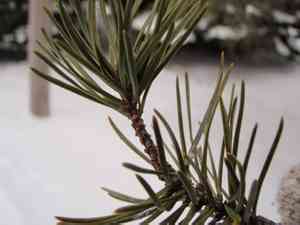
Jack pine (Pinus banksiana)
Also known as: Black Pine, Gray Pine, Princess Pine, Scrub pine
Jack pine, found in eastern North America, produces moderately hard and heavy wood. This wood is versatile and commonly used for various purposes, including:
1. Lumber for construction projects like framing and flooring.
2. Pulpwood for manufacturing paper.
3. Utility poles and fence posts due to its strength.
4. Timbers for mining operations.
5. Railroad ties for their durability.
6. Firewood for its efficient burning.
In This Article
Attributes of Jack pine
Lifespan
Perennial
Plant Type
Tree
Plant Height
11 m to 15 m
Spread
9 m to 12 m
Leaf Color
Green Yellow
Flower Size
2.5 cm to 8 cm
Flower Color
Brown
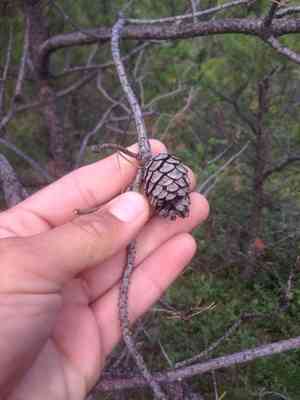
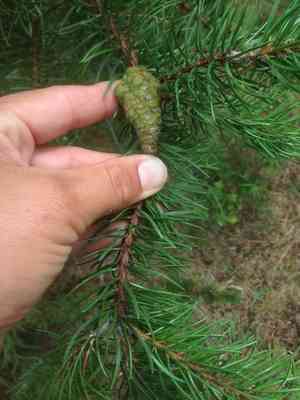
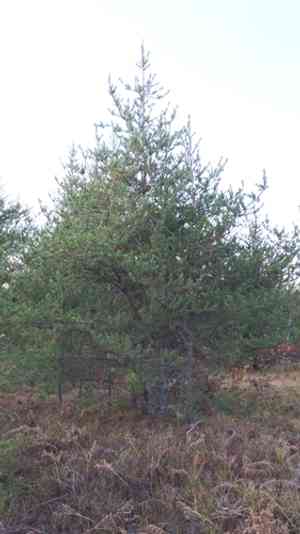
Images of Jack pine
Quickly Identify Jack pine
1
Twisted, olive green needles in bundles of 2
2
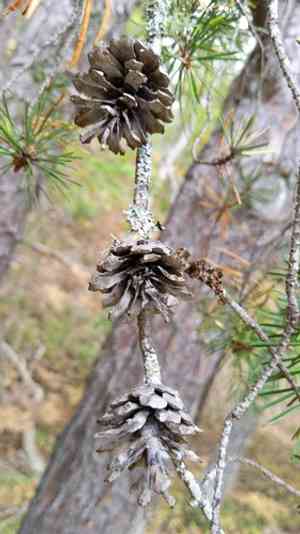
Yellowish-brown cones, some remaining closed after maturation
3
Rough, scaly bark with irregular, flaky scales
4
Solitary trunk with slightly descending lower branches
5
Distinctly rugged, plate-like bark with segmented ridges
Scientific Classification of Jack pine
Phylum
Vascular plants
Class
Conifers
Order
Pinales
Family
Pine
Genus
Pines
Species
Jack pine
Planting and Growing of Jack pine
Care Difficulty
Easy
Watering Schedule
Every day
Sunlight Requirements
Full sun
Sunshine Duration
6-10 hours
Ideal Temperature
55-75℉
Soil Type
Potting Mix, Peat Mix
Soil pH
4.5-7
Fertilizer Type
Balanced
Pruning Season
Spring, Summer
Pruning Area
Branches, Leaves
Pruning Frequency
2 times a year
Repotting Season
Spring
Pot Type
Plastic, Ceramic
 How to Water Jack pine?
For Pinus banksiana, it is important to water deeply and less frequently. The water should reach deep into the soil to encourage strong root growth. Typically, around 1000 milliliters per watering is sufficient to ensure that the soil is saturated without being waterlogged. The principle is to mimic natural rainfall, ensuring the soil is moist but never soaked.
What are the symptoms of an underwatered Jack pine?
›
What should I do if my Jack pine is not getting enough water?
›
What are the symptoms of an overwatered Jack pine?
›
How to save an overwatered Jack pine?
›
 What Are the Sunlight Requirements for Jack pine?
Full sun is crucial for Pinus banksiana. Ideal lighting ensures the plant's maximum growth potential, lush foliage, and strong root development.
More About Sunlight Requirements Techniques→
What is the ideal location for Pinus banksiana?
›
How can I ensure optimal sunlight exposure indoors?
›
What benefits does ideal lighting provide?
›
 What Is the Ideal Temperature Range for Jack pine?
The optimal growth temperature for Pinus banksiana is between 55°F and 75°F. Within this range, the tree can photosynthesize efficiently and maintain proper metabolic functions. Such conditions encourage vigorous growth and healthy foliage development. Moreover, this range supports the tree's natural adaptation processes, enabling it to withstand minor fluctuations without stress.
 What Soil is Best for Jack pine?
Pinus banksiana thrives in well-drained soil conditions which prevent root rot. This benefit helps the tree establish a robust root system, essential for its growth and development. This tree is remarkably adaptable to nutrient-poor soils, which allows it to flourish in conditions where other species may fail. Its ability to thrive with minimal nutrients makes it particularly beneficial for reforestation projects in challenging terrains. Pinus banksiana can grow in soils with low organic matter, reducing competition with undergrowth and allowing better air circulation around the roots, fostering healthier growth.
 How to Fertilize Jack pine?
When fertilizing Pinus banksiana, it's important to apply the right amount to avoid over-fertilization. Typically, use around 1 pound of a balanced granular fertilizer per inch of trunk diameter for mature trees, applied in early spring when new growth begins. For young or container-grown trees, a smaller amount of a liquid fertilizer solution, such as 10-10-10, diluted to half the manufacturer’s recommended rate, is advisable to prevent root burn and ensure steady growth.
 How to Prune Jack pine?
Before you start, decide on the shape and size you want your Pinus banksiana to achieve. This will guide your pruning efforts and ensure a cohesive result that complements your landscape design. Begin the pruning process by cutting away any dead or diseased branches. This not only helps in keeping the tree healthy but also prevents the spread of disease throughout the plant. Thinning dense clusters of branches will improve air circulation and light penetration. This promotes healthier growth and reduces the risk of mold or pest infestation, keeping the tree vibrant. Ensure that the central leader, the main stem of the tree, remains intact and dominant. This will help maintain the tree's natural pyramid shape and ensure robust vertical growth.
More About Pruning Techniques→
 How to Propagate Jack pine plant?
1
Gather mature seeds from the cones of Pinus banksiana. Ensure the seeds are dry and free from any signs of disease or pest damage before initiating sowing.
2
Fill the seed tray with a suitable potting mix. Create shallow indentations in the soil to place the seeds, ensuring there's sufficient space between each to promote healthy growth.
3
After planting the seeds, gently water the soil. Maintain consistent moisture levels, taking care not to overwater as this can lead to fungal growth or seed rot.
 How to Repot Jack pine plant?
1
Repotting is necessary when you notice the roots begin to crowd the pot, or when the plant's growth becomes stunted. Early indicators include roots growing out of drainage holes or the soil appearing compact. Optimal repotting times are in spring and autumn, as these seasons provide milder temperatures and reduced transplant shock.
2
Select a pot that is slightly larger than the current one, allowing room for root growth without overwhelming the plant with too much soil. A well-sized pot promotes balanced moisture retention, preventing waterlogging while still maintaining necessary hydration. Ensure it has adequate drainage holes to avoid root rot.
3
For Pinus banksiana, a well-draining sandy soil mix mimics its natural habitat, offering excellent drainage while holding enough moisture for hydration. This soil type also prevents the risk of root diseases associated with overly damp environments, encouraging healthy root development and overall plant vigor.



