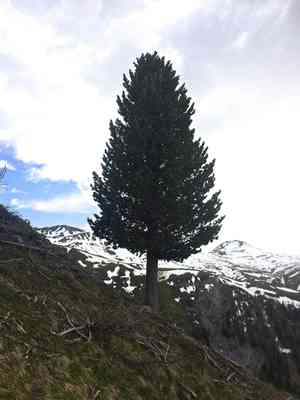
Swiss stone pine (Pinus cembra)
Also known as: Arolla pine, Austrian stone pine
The Swiss stone pine (Pinus cembra) yields pine nuts within its cones. These nuts are oil-rich and can be consumed either raw or cooked. The needles can be processed to extract aromatic oils, and the resulting by-product, rosin, is commonly used to enhance the grip on violin bows and ballet shoes. Additionally, the wood of the Swiss stone pine is appreciated for its fragrant qualities and is often crafted into furniture and decorative items.
In This Article
Attributes of Swiss stone pine
Lifespan
Perennial
Plant Type
Tree
Plant Height
25 m to 35 m
Spread
3 m to 4.5 m
Leaf Color
Green Blue
Flower Size
2.5 cm to 8 cm
Flower Color
Yellow Green Brown
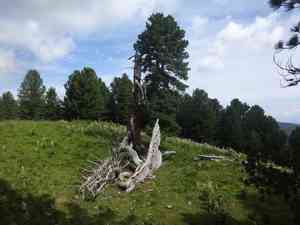
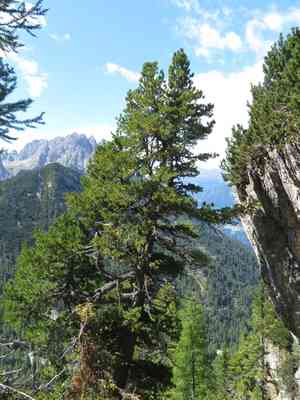
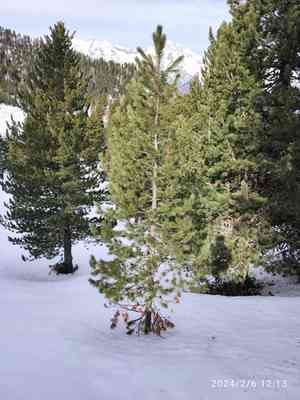
Images of Swiss stone pine
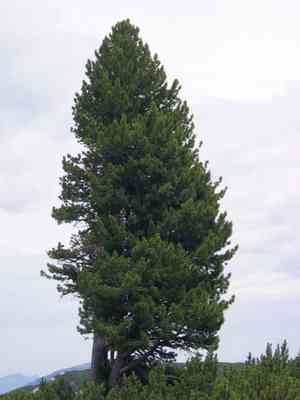
Quickly Identify Swiss stone pine
1
Needles in bundles of five, 2-3 inches (5-7.5 cm) long with distinct bluish-white lines.
2
Terminal cones that never open, 2-3 inches (5-7.5 cm) long, transitioning from greenish-violet to purplish-brown.
3
Symmetrical, upright, and columnar shape in youth, rounding into a flat-topped crown in maturity.
4
Dark, scaly plates on mature branches, new stems covered with orange-brown hairs, irregular branching pattern.
5
Straight and cylindrical trunk with evolving bark color and texture, smooth gray bark transitioning to darkly fissured.
Scientific Classification of Swiss stone pine
Phylum
Vascular plants
Class
Conifers
Order
Pinales
Family
Pine
Genus
Pines
Species
Swiss stone pine
Planting and Growing of Swiss stone pine
Care Difficulty
Moderate
Watering Schedule
Every 2 days
Sunlight Requirements
Full sun
Sunshine Duration
4-6 hours
Ideal Temperature
50-72℉
Soil Type
Potting Mix, Peat Mix
Soil pH
6.5-7.5
Fertilizer Type
Balanced
Pruning Season
Spring, Summer
Pruning Area
Branches, Leaves
Pruning Frequency
2 times a year
Repotting Season
Spring
Pot Type
Plastic, Ceramic
 How to Water Swiss stone pine?
When watering Pinus cembra, apply approximately 500 ml of water, ensuring the soil is moist but not waterlogged. This amount helps maintain the balance needed for its roots to thrive without causing root rot.
What are the symptoms of an underwatered Swiss stone pine?
›
What should I do if my Swiss stone pine is not getting enough water?
›
What are the symptoms of an overwatered Swiss stone pine?
›
How to save an overwatered Swiss stone pine?
›
 What Are the Sunlight Requirements for Swiss stone pine?
Pinus cembra ideally receives 4 to 6 hours of sunlight daily, ensuring vigorous growth, needle health, and resistance against diseases.
More About Sunlight Requirements Techniques→
What is the ideal light exposure for Pinus cembra?
›
How to achieve the ideal lighting conditions for Pinus cembra?
›
What benefits does optimal lighting bring to Pinus cembra?
›
 What Is the Ideal Temperature Range for Swiss stone pine?
For optimal growth, Pinus cembra thrives best in temperatures ranging from 50°F to 72°F. This range provides the right balance of warmth and coolness to support steady growth and development, enabling the plant to photosynthesize efficiently and build resistance to possible pests.
 What Soil is Best for Swiss stone pine?
Pinus cembra thrives in well-drained soils, which prevent the accumulation of excess water around its roots. This drainage helps avoid root rot and supports healthy root development, crucial for the tree's stability and nutrient uptake. This species benefits from soil enriched with organic matter, which supplies essential nutrients. Rich soils promote robust growth and enhance the tree's resistance to pests and diseases. Maintaining moderate soil moisture is important for Pinus cembra. While it can tolerate some drought, consistent moisture levels help sustain foliage vitality and overall health, especially in young trees.
 How to Fertilize Swiss stone pine?
For Pinus cembra, it is crucial to start with a conservative amount of fertilizer to prevent any potential harm to the plant. Using approximately 50 grams of slow-release fertilizer per plant annually is advisable. For liquid fertilizer, mix at a concentration suitable for evergreen trees—typically no more than 1 tablespoon per gallon of water.
 How to Prune Swiss stone pine?
Begin by inspecting the tree for any dead, damaged, or diseased branches. Remove these with clean cuts close to the trunk, which helps the tree focus energy on healthy growth. While maintaining the tree's natural silhouette, cut back overgrown branches to improve airflow and sunlight penetration. This promotes healthier growth and prevents mildew. Trim the tips of branches selectively to encourage the formation of new buds. This technique helps maintain a dense and lush appearance without heavy cutting.
More About Pruning Techniques→
 How to Propagate Swiss stone pine plant?
1
Place Pinus cembra seeds in a cold and moist environment for a period of 3-4 months to break dormancy, simulating natural winter conditions before planting.
2
After stratification, sow the seeds in prepared seed trays filled with potting mix. Cover with a thin layer of soil and water gently to settle the seeds.
3
Maintain a temperature of 15-20°C and ensure adequate lighting for seedlings. Keep the soil consistently moist but not waterlogged to promote healthy growth.
 How to Repot Swiss stone pine plant?
1
Pinus cembra should be repotted when the roots start circling the pot or poking out of the drainage holes. It's best to do this in spring or autumn to minimize stress on the plant. You'll notice it needs more frequent watering, which indicates it's time for a new pot.
2
Select a pot with adequate drainage holes to prevent waterlogging. Ensure it is slightly larger than the current one, providing room for root growth without overwhelming the plant. The new pot should be stable enough to support the pine's weight and structure, promoting healthy growth.
3
Opt for a well-draining, acidic soil mix that mimics its natural conditions. Such soil prevents root rot and ensures nutrients are readily available. A mixture containing perlite or sand can enhance drainage, providing an ideal growing medium for Pinus cembra.



