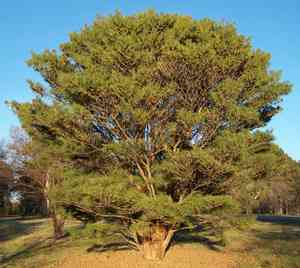
Japanese red pine (Pinus densiflora)
Also known as: Korean red pine
The Japanese red pine (Pinus densiflora) is an evergreen conifer known for its thin, reddish bark and can reach heights of up to 30 meters. It features clusters of green needles and often develops a flattened crown as it matures. This tree also provides a habitat for the larvae of the imperial moth, which are active from spring through fall.
In This Article
Attributes of Japanese red pine
Lifespan
Perennial
Plant Type
Tree
Plant Height
12 m to 18 m
Spread
11 m to 15 m
Leaf Color
Green
Flower Size
2.5 cm to 8 cm
Flower Color
Yellow Red Brown Orange Gold
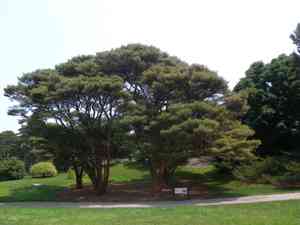
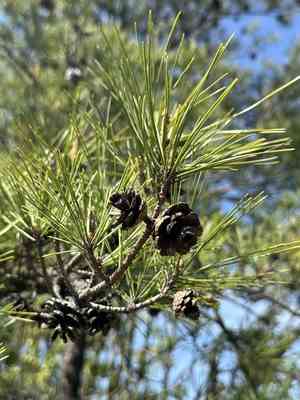
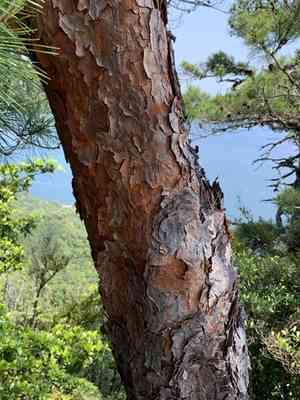
Images of Japanese red pine
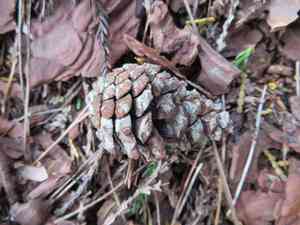
Quickly Identify Japanese red pine
1
Needles in pairs, 3-5 inches (7.5-12.5 cm) long, creating dense green clusters.
2
Distinctive orange-red bark peels to reveal textured gray, adding visual interest.
3
Dull yellow male and female flowers in small clusters emit fresh pine scent.
4
Branches spread wide with graceful arching, forming an impressive flattened crown silhouette.
5
Clusters of vibrant green needles give the plant the appearance of lush plumes.
Scientific Classification of Japanese red pine
Phylum
Vascular plants
Class
Conifers
Order
Pines and allies
Family
Pine
Genus
Pines
Species
Japanese red pine
Planting and Growing of Japanese red pine
Care Difficulty
Easy
Watering Schedule
Every 2 days
Sunlight Requirements
Full sun
Sunshine Duration
4-8 hours
Ideal Temperature
59-77℉
Soil Type
Potting Mix, Peat Mix
Soil pH
4.5-6
Fertilizer Type
Balanced
Pruning Season
Spring, Summer
Pruning Area
Branches, Leaves
Pruning Frequency
2 times a year
Repotting Season
Spring
Pot Type
Plastic, Ceramic
 How to Water Japanese red pine?
The watering amount for Pinus densiflora should be around 500 milliliters per session. It's essential to water deeply so that the soil is moist but not soggy. Ensure the water reaches the root zone, promoting strong root development.
What are the symptoms of an underwatered Japanese red pine?
›
What should I do if my Japanese red pine is not getting enough water?
›
What are the symptoms of an overwatered Japanese red pine?
›
How to save an overwatered Japanese red pine?
›
 What Are the Sunlight Requirements for Japanese red pine?
This sun-basking marvel thrives under full-day illumination. Ideal light boosts photosynthesis, enriches chlorophyll production, enhances aesthetics, and elevates its natural defenses against pests and diseases.
More About Sunlight Requirements Techniques→
Optimal Sunlight Exposure
›
Balancing Sun and Shade
›
Solutions for Optimal Light
›
 What Is the Ideal Temperature Range for Japanese red pine?
Pinus densiflora thrives best in an environment where temperatures are consistently between 59°F and 77°F. This range ensures optimal growth by providing a stable temperature that supports enzymatic activities and cellular processes unique to this species. Maintaining stable conditions within this temperature window helps maximize health and resilience against potential stressors.
 What Soil is Best for Japanese red pine?
Pinus densiflora thrives in well-drained soils, where excess water can quickly flow away, preventing the roots from sitting in moisture. This ensures the roots get enough oxygen, crucial for healthy growth and preventing root rot. This pine species benefits from soils rich in organic matter, which supplies essential nutrients for its growth. Organic-rich soils improve overall plant health, encourage robust needle development, and enhance the tree's resilience to pests and diseases. Pinus densiflora prefers slightly acidic soil conditions, which help facilitate nutrient absorption, especially of iron and manganese, essential for vibrant foliage and optimal metabolic functions.
 How to Fertilize Japanese red pine?
For Pinus densiflora, apply a balanced fertilizer with an N-P-K ratio such as 10-10-10. Ensure that each application provides about 1 pound of nitrogen per 1000 square feet of soil area to support its growth effectively.
 How to Prune Japanese red pine?
Start by carefully examining your Pinus densiflora for any dead, diseased, or broken branches. These should be pruned back to the nearest live node or secondary branch to maintain tree health and aesthetics. To encourage a balanced growth, ensure the crown is open enough to allow sunlight to penetrate to lower branches. Prune to shape the tree and encourage an even distribution of branches, maintaining its natural form. Remove no more than a third of the tree's foliage in one season. Over-pruning can stress the tree, making it more susceptible to disease and reducing its growth rate.
More About Pruning Techniques→
 How to Propagate Japanese red pine plant?
1
Collect mature seeds from healthy Pinus densiflora cones in autumn. Clean thoroughly to remove any debris and store them in a cool, dry place until ready for sowing in early spring.
2
Sow seeds in trays filled with well-draining soil in early spring. Cover lightly with soil and keep the trays in a warm place with indirect sunlight. Ensure consistent moisture for successful germination.
3
For grafting, select healthy scions from young Pinus densiflora shoots in late winter. Use a grafting knife to make V-shaped cuts on both the scion and rootstock for a perfect fit, then secure the joint with grafting tape.
 How to Repot Japanese red pine plant?
1
Repotting is essential when you notice roots crowding the pot, decreased growth, or slow drainage. Pinus densiflora thrives with space for roots to develop. Thus, consider repotting when roots are visible on the surface or growing out of drainage holes. Spring and autumn offer ideal temperatures to aid recovery without the stress of extreme cold or heat.
2
Selecting the right pot significantly impacts your plant's well-being. Opt for a pot slightly larger than the current one to allow root growth but not too large to prevent overwatering. Terracotta pots are excellent for allowing soil to breathe, which is perfect for preventing root rot. Adequate drainage holes are a must to ensure excess water efficiently escapes.
3
Pinus densiflora requires soil that mimics its natural environment. Choose a well-draining, slightly acidic soil to prevent waterlogging and provide essential aeration to roots. Incorporating components like sand and perlite enhances drainage, while peat moss introduces acidity, creating a thriving substrate for optimal root health.



