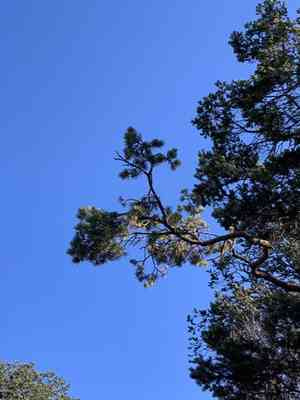
Pinyon pine (Pinus edulis)
Also known as: Two-needle pinyon, Nut Pine, Twoneedle Pinyon
The Piñon Pine is the state tree of New Mexico. In Colorado, the Lodgepole Pine is the most prevalent, constituting 22% of the state's forests. The Piñon Pine is well-known for its drought tolerance and its seeds, which are a food source for various birds, including the Pinyon Jay and Montezuma Quail.
In This Article
Attributes of Pinyon pine
Lifespan
Perennial
Plant Type
Tree
Plant Height
3 m to 6 m
Spread
3 m to 4.5 m
Leaf Color
Green Gray
Flower Size
2.5 cm to 8 cm
Flower Color
Yellow Green Red Gold
Images of Pinyon pine
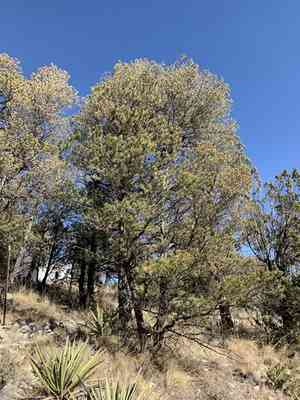
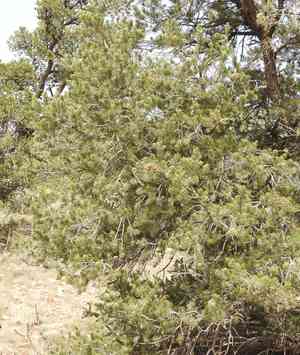
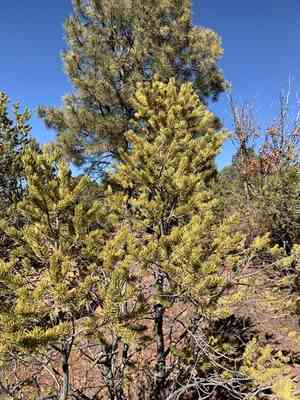
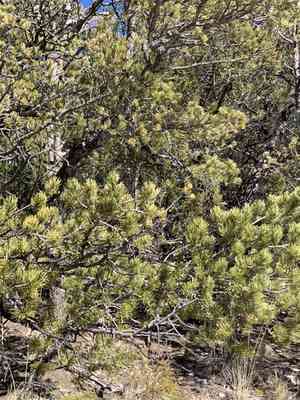
Quickly Identify Pinyon pine
1
Needle-like leaves in bundles of two, occasionally one or three.
2
Distinctive red-brown bark with shallow furrows and scaly ridges.
3
Fruit cones transition from green to reddish-brown, slender and clustered.
4
Male cones small, oval, yellowish, female cones larger, brown when mature.
5
Twisted growth form, flat crown silhouette, vibrant green evergreen foliage.
Scientific Classification of Pinyon pine
Phylum
Vascular plants
Class
Conifers
Order
Pinales
Family
Pine
Genus
Pines
Species
Pinyon pine
Planting and Growing of Pinyon pine
Care Difficulty
Moderate
Watering Schedule
Every 2 days
Sunlight Requirements
Full sun
Sunshine Duration
6-12 hours
Ideal Temperature
60-78℉
Soil Type
Potting Mix, Peat Mix
Soil pH
6.5-7.5
Fertilizer Type
Balanced
Pruning Season
Spring, Summer
Pruning Area
Branches, Leaves
Pruning Frequency
2 times a year
Repotting Season
Spring
Pot Type
Plastic, Ceramic
 How to Water Pinyon pine?
Pinus edulis, or the pinyon pine, is native to dry areas and thrives in well-draining soil. Typically, you should water enough to moisten the top 6 to 18 inches of soil, which usually requires about 500 milliliters per watering. Ensure the water penetrates deeply but does not leave the soil waterlogged, reflecting its desert origins where less frequent soaking rains are common.
What are the symptoms of an underwatered Pinyon pine?
›
What should I do if my Pinyon pine is not getting enough water?
›
What are the symptoms of an overwatered Pinyon pine?
›
How to save an overwatered Pinyon pine?
›
 What Are the Sunlight Requirements for Pinyon pine?
Pinus edulis thrives best with full sun exposure, approximately 6-8 hours per day, which supports its natural growth patterns and enhances its structural strength and reproductive success.
More About Sunlight Requirements Techniques→
Optimal Light for Growth
›
Solutions for Shaded Areas
›
Benefits of Ideal Light Conditions
›
 What Is the Ideal Temperature Range for Pinyon pine?
Pinus edulis thrives best in temperatures ranging from 60°F to 78°F. Within this temperature range, the plant can photosynthesize effectively, maintain healthy growth rates, and sustain optimal physiological functions. Though adaptable, maintaining temperatures in this ideal range supports the best possible growth outcomes.
 What Soil is Best for Pinyon pine?
Pinus edulis thrives in well-drained soil, which allows excess moisture to escape, preventing root rot and promoting healthy growth. This plant is adapted to thrive in nutrient-poor conditions, making it ideal for areas where other plants struggle, reducing the need for fertilization. Pinus edulis prefers soil with a pH range of 6.5 to 7.5, which supports optimal nutrient uptake and fosters healthy root development.
 How to Fertilize Pinyon pine?
For Pinus edulis, it's essential to understand that too much fertilizer can harm its natural growth. Generally, a light application of fertilizer is recommended—about 1/4 cup for small trees (under 6 inches in trunk diameter) and up to 1/2 cup for larger trees, focusing on under the canopy but avoiding direct contact with the trunk.
 How to Prune Pinyon pine?
Start by identifying dead, diseased, or damaged branches. Also, look for branches growing at odd angles or those that cross each other. Begin pruning by removing dead and diseased branches first, followed by trimming unnecessary growth. Always prune from the base upwards for the best shape.
More About Pruning Techniques→
 How to Propagate Pinyon pine plant?
1
Collect seeds from cones that have naturally opened. It's important to gather seeds when they are fully matured and naturally released by the cones, as premature seeds may have low viability or fail to germinate altogether.
2
Cold stratification mimics winter conditions to break seed dormancy. Mix seeds with a moist medium such as sand or vermiculite, and place them in a refrigerator for 4-6 weeks. This process is essential for improving the germination rate of Pinus edulis seeds.
3
Sow the stratified seeds in seed trays filled with well-draining soil. Cover lightly with a thin layer of soil, and water gently. Ensure that the soil is moist but not waterlogged to facilitate successful germination.
 How to Repot Pinyon pine plant?
1
Pinus edulis, or the pinyon pine, signals the need for repotting when it outgrows its container, roots become congested, or the soil loses its nutrients and drainage properties. This typically happens every 3-4 years, but seasonal growth spurts in spring and summer are ideal times as the plant is most receptive to change.
2
Choose a pot that is slightly larger than the current one, with ample drainage holes to prevent waterlogging that can lead to root rot. The material should provide stability, like ceramic or heavyweight plastic, to support this sturdy pine as it grows and protects against tipping over.
3
Opt for a soil mix that's well-draining and sandy, mimicking its natural habitat. This blend helps prevent overwatering and ensures that roots receive optimal aeration and nutrients, promoting strong growth and a healthy pinyon pine.



