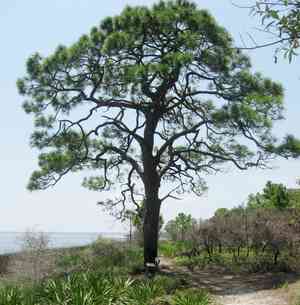
Slash pine (Pinus elliottii)
Also known as: Yellow slash pine, Swamp pine, Caribbean pine
The Loblolly Pine gets its name from the swampy areas, known as loblollies, where it commonly grows. This rapid-growing conifer is utilized in reforestation efforts, as well as for producing turpentine and various crude rosins. It is sometimes referred to as Swamp Pine or Southern Pine.
In This Article
Attributes of Slash pine
Lifespan
Perennial
Plant Type
Tree
Plant Height
23 m to 30 m
Spread
11 m to 15 m
Leaf Color
Green Blue
Flower Size
N/A
Flower Color
Yellow Green Red Brown Burgundy Gold
Images of Slash pine
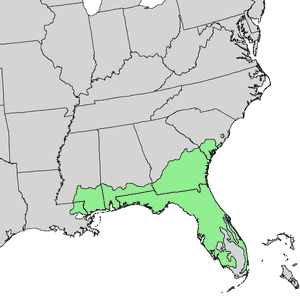

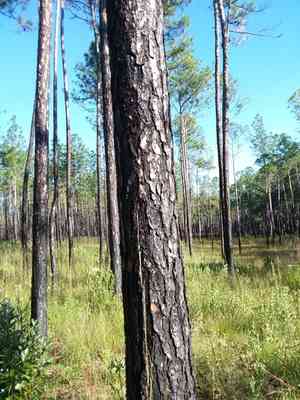
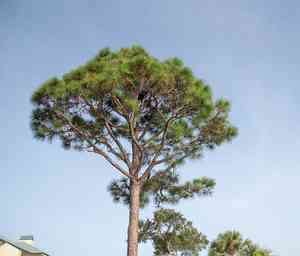
Quickly Identify Slash pine
1
Needles in bundles of 2-3; flexible, 5-11 inches (12.7-28 cm) long; dark blue-green color.
2
Irregular branching; stout stem; rough, scaly texture; orange-brown to dark brown hue.
3
Distinct rich red-brown bark with rough, vertical ridges evolving into scaly, flaking texture.
4
Elongated oval cones, 3-6 inches (7.6-15.2 cm) long; thin, woody scales with prickly surface.
5
Tall, slim stature; crown shape changes from conical/egg-like to rounded/flat-top; mature tree trunk displays scaly, flaking bark.
Scientific Classification of Slash pine
Phylum
Vascular plants
Class
Conifers
Order
Pines and allies
Family
Pine
Genus
Pines
Species
Slash pine
Planting and Growing of Slash pine
Care Difficulty
Easy
Watering Schedule
Every 3 days
Sunlight Requirements
Full sun
Sunshine Duration
4-6 hours
Ideal Temperature
60-77℉
Soil Type
Potting Mix, Peat Mix
Soil pH
4.5-7
Fertilizer Type
Balanced
Pruning Season
Spring, Summer
Pruning Area
Branches, Leaves
Pruning Frequency
2 times a year
Repotting Season
Spring
Pot Type
Plastic, Ceramic
 How to Water Slash pine?
For Pinus elliottii, known commonly as the Slash Pine, it's essential to ensure the soil is moist but not waterlogged. Aim for around 500 ml of water per tree per watering session. Water until it starts to seep out of the drainage holes or feels moist to about two inches below the surface. This ensures the roots have adequate access to needed moisture without being saturated.
What are the symptoms of an underwatered Slash pine?
›
What should I do if my Slash pine is not getting enough water?
›
What are the symptoms of an overwatered Slash pine?
›
How to save an overwatered Slash pine?
›
 What Are the Sunlight Requirements for Slash pine?
Pinus elliottii thrives best in areas with full sun to partial sun, receiving approximately six to eight hours of direct sunlight daily. Consistent access to ideal light encourages rapid growth and a healthy, robust plant.
More About Sunlight Requirements Techniques→
How much sunlight is considered ideal?
›
What is the solution to achieve this ideal lighting?
›
What are the benefits of obtaining ideal lighting?
›
 What Is the Ideal Temperature Range for Slash pine?
Pinus elliottii prefers an ideal temperature range between 60°F and 77°F. This range provides optimal conditions for photosynthesis and nutrient absorption, ensuring robust growth and development.
 What Soil is Best for Slash pine?
Pinus elliottii thrives in well-drained soils that prevent waterlogging and enhance root health. Ensuring good drainage avoids root rot, promoting a robust growth environment. This pine favors soils with moderate fertility, where nutrients support healthy growth without overwhelming the root system. Balanced fertility ensures optimal needle and conifer growth. Consistent moisture in the soil encourages healthy growth but should be balanced to prevent sogginess. Moist soils help in nutrient absorption and provide a stable habitat for root development.
 How to Fertilize Slash pine?
For Pinus elliottii, fertilization should be moderate to avoid nutrient imbalances. Typically, apply about 1 pound of a balanced, slow-release granular fertilizer per inch of trunk diameter each year. For liquid fertilizers, use a solution with a concentration of 100 ppm nitrogen once a month during the growing season.
 How to Prune Slash pine?
Begin by gathering the necessary tools such as sharp pruning shears and loppers. Ensure all equipment is sanitized to prevent the spread of diseases. It is advisable to wear gloves to protect your hands from the sharp needles. Start by removing any dead, damaged, or diseased branches to enhance tree health. Then, thin out crossing branches to improve air circulation. Focus on the interior parts of the tree to prevent overcrowding. To maintain a balanced shape, prune the tree to maintain its natural form. Avoid cutting into the main trunk; instead, trim branches to a lateral branch so the tree retains its natural growth habit.
More About Pruning Techniques→
 How to Propagate Slash pine plant?
1
Collect mature cones in the late autumn when they start to open. Extract seeds from the cones and clean them by removing any debris or flak. Store seeds in a cool, dry place until the sowing season arrives.
2
Before germination, seeds require stratification. This mimics natural winter conditions and enhances germination rates. Place seeds in a moistened medium in a refrigerator for about 6-8 weeks prior to spring sowing.
3
In grafting, select healthy scion wood from a parent tree. Make a clean incision in the rootstock using a sharp grafting knife, then carefully align and attach the scion for optimal cambium contact. Secure with grafting tape to encourage healing and growth.
 How to Repot Slash pine plant?
1
Repotting Pinus elliottii is ideal when you observe roots protruding from the drainage holes or if the plant appears to slow in growth. These are clear indications that the roots require more space for optimal development. For the best results, aim to repot during the active growth seasons of spring or summer, when the plant can quickly adapt to its new environment.
2
Select a pot that is only one size larger than the current one. The pot should have sufficient drainage holes to prevent waterlogging. A slightly larger pot ensures that the roots have adequate space to expand without overwhelming them with too much soil, which can retain excessive moisture and impact root health.
3
Opt for a sandy, well-draining soil mix that mimics the natural habitat of Pinus elliottii. This type of soil prevents root rot by allowing excess water to drain quickly and air to circulate effectively, promoting healthier root growth and preventing common fungal diseases.



