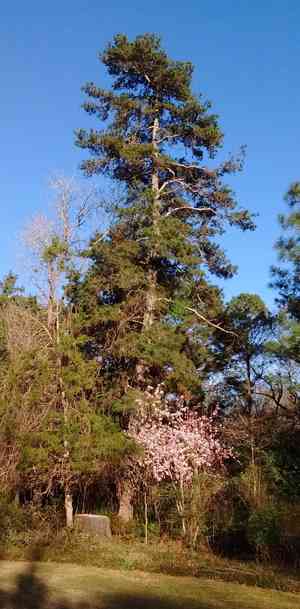
Spruce pine (Pinus glabra)
Also known as: Cedar pine, American spruce pine
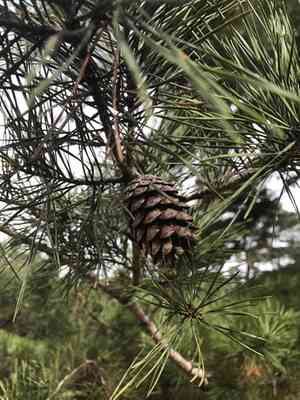
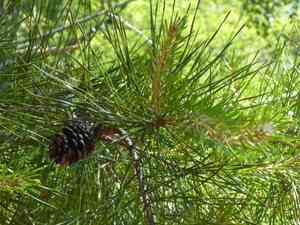
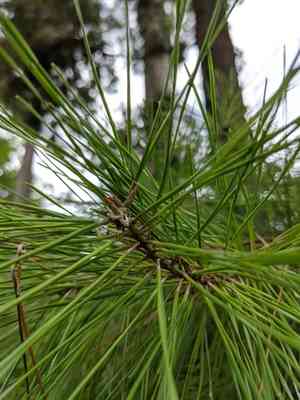
This pine species typically grows straight and reaches medium height, ranging from 20 to 40 meters. Its leaves are needle-like, grouped in pairs, measuring 5 to 8 cm in length, about 1 mm in thickness, and exhibit a glossy dark green color. The cones are small and slender, 4 to 6 cm long, and feature scales with weak prickles that fall off over time.
In This Article
Attributes of Spruce pine
Lifespan
Perennial
Plant Type
Tree
Plant Height
9 m to 18 m
Spread
8 m to 12 m
Leaf Color
Green
Flower Size
2.5 cm to 8 cm
Flower Color
Brown Red
Images of Spruce pine
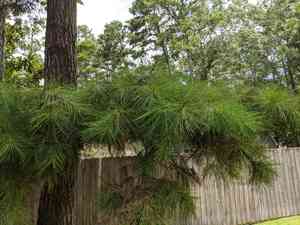
Quickly Identify Spruce pine
1
Evergreen tree reaching 40-50 feet (12-15 meters) tall with irregular solitary growth in wetlands.
2
Dark green needles, 2-4 inches (5-10 cm) long, arranged in pairs with slender, flexible form.
Scientific Classification of Spruce pine
Phylum
Vascular plants
Class
Conifers
Order
Pinales
Family
Pine
Genus
Pines
Species
Spruce pine
Planting and Growing of Spruce pine
Care Difficulty
Moderate
Watering Schedule
Every 2 days
Sunlight Requirements
Full sun
Sunshine Duration
4-8 hours
Ideal Temperature
60-75℉
Soil Type
Potting Mix, Peat Mix
Soil pH
6.5-7.5
Fertilizer Type
Balanced
Pruning Season
Spring, Summer
Pruning Area
Branches, Leaves
Pruning Frequency
2 times a year
Repotting Season
Spring
Pot Type
Plastic, Ceramic
 How to Water Spruce pine?
When watering Pinus glabra, also known as the spruce pine, aim to thoroughly moisten the soil. Ensure water reaches the root zone without creating waterlogged conditions, as this tree prefers well-drained environments.
What are the symptoms of an underwatered Spruce pine?
›
What should I do if my Spruce pine is not getting enough water?
›
What are the symptoms of an overwatered Spruce pine?
›
How to save an overwatered Spruce pine?
›
 What Are the Sunlight Requirements for Spruce pine?
Pinus glabra prefers full sun to partial sun, benefiting from ample sunlight for photosynthesis. Ideal light aids in maintaining health, robust growth, and resistance to disease.
More About Sunlight Requirements Techniques→
What is the best lighting condition for Pinus glabra?
›
How can you achieve ideal lighting for Pinus glabra?
›
What benefits does Pinus glabra gain from ideal lighting?
›
 What Is the Ideal Temperature Range for Spruce pine?
Pinus glabra typically thrives in moderate climates where the temperature ranges between 60°F to 75°F. This range ensures optimal photosynthesis, nutrient uptake, and overall growth. Outside of this spectrum, the plant might struggle to maintain its health and vigor, particularly if exposed to prolonged periods of deviation.
 What Soil is Best for Spruce pine?
Pinus glabra thrives best in well-drained soil, essential for preventing root rot. The advantageous drainage properties of this soil type ensure that excess water is swiftly removed, reducing the risk of fungal infections that could inhibit the plant's root system and overall health. A nutrient-rich soil supports Pinus glabra by providing the necessary minerals and elements for growth and stability. Healthy soil, full of organic matter, encourages robust growth and aids in the tree developing a strong root structure, which is crucial for its growth in natural settings. Soil that offers good aeration is crucial for Pinus glabra, as it facilitates root respiration and the exchange of gases. Proper aeration in soil promotes healthy root development and optimal nutrient uptake, helping the tree to be more resilient and healthier over its lifespan.
 How to Fertilize Spruce pine?
For Pinus glabra, an appropriate amount of fertilizer must be used to ensure optimal growth. Generally, apply liquid fertilizer at a rate of one tablespoon per gallon of water. Solid fertilizers should be applied sparingly, with about one cup per plant per year. The amount may vary based on soil conditions and plant size.
 How to Prune Spruce pine?
Start by identifying any dead or diseased limbs within the Pinus glabra. Use sharp pruning shears or a saw, depending on the thickness of the branches, to make clean cuts. Ensure you're cutting close to the trunk but avoid damaging the branch collar to facilitate natural healing. Focus on thinning out the branches to promote better airflow through the canopy. This involves removing some of the smaller interior branches and making cuts at the branch unions. Enhanced air circulation reduces the chance of fungal diseases and improves sunlight penetration, boosting the tree's health. The final step is to shape the tree, ensuring balanced symmetry. Pay attention to the overall structure and trim any wayward branches that disturb the natural form of Pinus glabra. This not only improves the tree's appearance but also fosters stronger, more stable growth.
More About Pruning Techniques→
 How to Propagate Spruce pine plant?
1
Collect seeds from mature cones in autumn. Once gathered, extract the seeds and store them in a cool, dry place before sowing the following spring.
2
Select healthy branches in spring, make 6-12 inch cuttings and remove lower leaves for a clean stem base. Use rooting hormone for increased success.
3
Prepare both rootstock and scion properly. Align and bind them together carefully to ensure a successful graft, undertaken best in spring.
 How to Repot Spruce pine plant?
1
Look for signs such as roots growing out of drainage holes or water sitting on the surface of the soil. Pinus glabra generally requires repotting when it becomes root-bound or growth slows down significantly. Spring or autumn is an optimal time as the plant is not stressed by extreme temperatures.
2
Choose a pot that is 2-3 inches larger in diameter than the current one. Ensure it has good drainage holes to prevent waterlogging, which Pinus glabra detests. A well-chosen pot provides stability and ample room for roots to expand without constraint.
3
Opt for a well-draining sandy loam soil mix. This soil type ensures that excess water is filtered away, reducing the risk of root rot while maintaining enough moisture retention for healthy root development.



