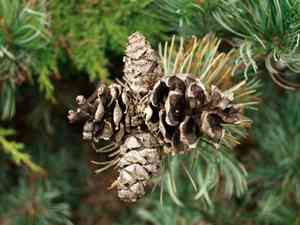
Japanese white pine (Pinus parviflora)
Also known as: Five-needle pine
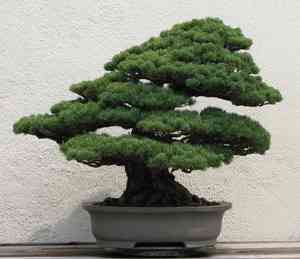
The Japanese white pine is highly valued for its elegant, compact shape and minimal care requirements, making it an excellent choice for urban landscapes. Its slow growth rate makes it ideal for small gardens and confined spaces. Additionally, the variety of cultivars available allows for diverse applications, including its popularity in bonsai art due to its manageable size and aesthetic appeal.
In This Article
Attributes of Japanese white pine
Lifespan
Perennial
Plant Type
Tree
Plant Height
6 m to 15 m
Spread
6 m to 15 m
Leaf Color
Green Blue Silver
Flower Size
8 cm to 15 cm
Flower Color
Red Brown Yellow Green Burgundy
Images of Japanese white pine
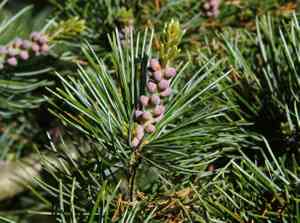
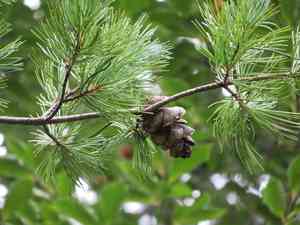
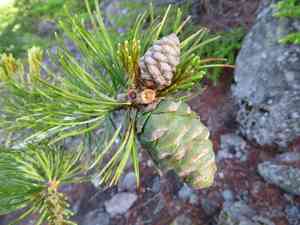
Quickly Identify Japanese white pine
1
Blue-green needles, 2-3 inches (5-7.5 cm) long, in dense clusters.
2
Symmetrical conical shape reaching 20-30 feet (6-9 meters) in height.
3
Needles twisted, 1.2-2.4 inches (3-6 cm) long, with white stripe and silvery underside.
4
Bark starts smooth, turns scaliness with age, becoming a rich, dark gray tone.
5
Small, inconspicuous flowers in clusters, male yellow and cylindrical, female reddish and bud-like.
Scientific Classification of Japanese white pine
Phylum
Vascular plants
Class
Conifers
Order
Pines and allies
Family
Pine
Genus
Pines
Species
Japanese white pine
Planting and Growing of Japanese white pine
Care Difficulty
Moderate
Watering Schedule
Every 2 days
Sunlight Requirements
Full sun
Sunshine Duration
4-8 hours
Ideal Temperature
50-77℉
Soil Type
Potting Mix, Peat Mix
Soil pH
5-6.5
Fertilizer Type
Balanced
Pruning Season
Spring, Summer
Pruning Area
Branches, Leaves
Pruning Frequency
2 times a year
Repotting Season
Spring
Pot Type
Plastic, Ceramic
 How to Water Japanese white pine?
Pinus parviflora, also known as the Japanese White Pine, thrives on a principle of moderate moisture. Water until the soil feels evenly moist at a depth of about 6 inches, ensuring that it never becomes waterlogged.
What are the symptoms of an underwatered Japanese white pine?
›
What should I do if my Japanese white pine is not getting enough water?
›
What are the symptoms of an overwatered Japanese white pine?
›
How to save an overwatered Japanese white pine?
›
 What Are the Sunlight Requirements for Japanese white pine?
Pinus parviflora ideally requires full sun to partial shade, with a preference for full sun throughout the day. Abundant sunlight fosters strong, healthy growth, enhances photosynthesis, and maintains the vibrant color of the needles.
More About Sunlight Requirements Techniques→
What is the ideal lighting condition for Pinus parviflora?
›
How can you ensure Pinus parviflora gets ideal sunlight?
›
What are the benefits of optimal lighting for Pinus parviflora?
›
 What Is the Ideal Temperature Range for Japanese white pine?
Pinus parviflora thrives in conditions that mimic its native habitat in Japan, where mild temperatures are prevalent. The range of 50-77°F ensures adequate metabolism and growth without stressing the plant, providing an optimal environment for photosynthesis. Between these temperatures, enzymes function efficiently, supporting robust health and development.
 What Soil is Best for Japanese white pine?
Pinus parviflora thrives best in well-drained soil which prevents root rot. The excellent drainage ensures roots remain healthy, facilitate better nutrient uptake, and contributes to the tree's overall vitality. A nutrient-rich soil enhances the growth of Pinus parviflora by providing essential minerals and organic matter. This leads to more robust growth, richer foliage, and improved resistance to pests and diseases. Maintaining moderate soil moisture is crucial for the health of Pinus parviflora. Consistent moisture prevents drought stress but it's crucial not to overwater to avoid suffocating the roots, ensuring a thriving plant.
 How to Fertilize Japanese white pine?
Pinus parviflora typically thrives with moderate fertilization. For liquid fertilizers, dilute the solution to half strength, applying approximately 50-100 ml per application depending on plant size. For slow-release granules, apply about 30-40 grams per year.
 How to Prune Japanese white pine?
Begin by inspecting the tree and identifying branches that are dead, diseased, or damaged. Removing these branches will reduce the risk of disease spread and improve air circulation. Pinus parviflora benefits from maintaining a well-balanced shape. Trim any branches that disrupt the overall symmetry of the tree, focusing on overly long or crossing branches. Ensure not to remove more than one-third of the tree's foliage at any time. Over-pruning can stress the tree, affecting its growth and vitality.
More About Pruning Techniques→
 How to Propagate Japanese white pine plant?
1
Collect mature seeds from a healthy Pinus parviflora tree in the fall. Stratify the seeds by placing them in a moist, cold environment for 60 days to break dormancy before sowing in spring.
2
Sow the stratified seeds in a seed tray filled with well-draining compost. Cover lightly with soil and water gently. Maintain a temperature of 65-75°F (18-24°C) for optimal germination.
3
Select a healthy scion from a mature Pinus parviflora tree. Ensure the rootstock is of suitable diameter and vigor for the selected scion. Perform grafting during the dormant season for best results.
 How to Repot Japanese white pine plant?
1
Repot your Pinus parviflora when you notice roots growing out of the drainage holes or a decline in growth. Spring is ideal as the tree begins its active growth phase, which helps it recover from any root disturbance.
2
Choose a pot that is only slightly larger than the current one to encourage healthy root growth. A pot that is too large can hold excess moisture, leading to root rot. Ensure it has adequate drainage holes for water regulation.
3
Use a well-draining soil mix specifically for pine trees. This type of soil prevents waterlogging and mirrors the tree's natural environment. A mix with sand, loam, and organic matter helps maintain the ideal moisture level and provides essential nutrients.



