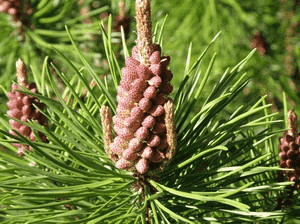
Scots pine (Pinus sylvestris)
Also known as: Wild pine, Common pine
The Scots Pine (Pinus sylvestris), native to Eurasia, thrives on nutrient-poor, dry, and rocky soils. As its name implies, it is the national tree of Scotland. Its significance in the forestry industry stems from its versatility and resilience, making it ideal for reforestation and habitat restoration. The Scots Pine is also highly valued for its high-quality timber, which is widely used in construction, furniture-making, and paper production, thus playing a crucial role in Scotland's economic and ecological landscape.
In This Article
Attributes of Scots pine
Lifespan
Perennial
Plant Type
Tree
Plant Height
35 m to 48 m
Spread
9 m to 12 m
Leaf Color
Green Blue Yellow Gray
Flower Size
2.5 cm to 8 cm
Flower Color
Yellow
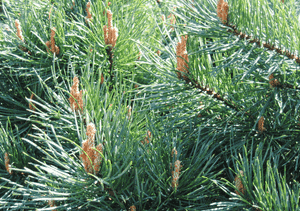
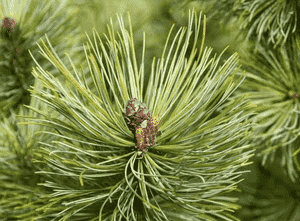
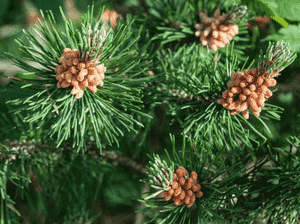
Images of Scots pine
Quickly Identify Scots pine
1
Needles twisted, bluish-green, in pairs, 1.5-3.5 inches (4-9 cm) long, aiding identification.
2
Bark texture transitions from flaky orange/red in upper trunk to rugged deep reddish-brown below.
3
Male pollen cones cylindrical, 3/8-1/2 inch (1-1.3 cm) long, yellowish-green to red in dense clusters.
4
Female cones oval, 1/4-3/8 inch (0.6-1 cm) long, reddish-purple, located at tips of new candles.
5
Leaves grow in bundles of two, spiral arrangement around branch, robust and straight.
Scientific Classification of Scots pine
Phylum
Vascular plants
Class
Conifers
Order
Pines and allies
Family
Pine
Genus
Pines
Species
Scots pine
Planting and Growing of Scots pine
Care Difficulty
Easy
Watering Schedule
Every 2 days
Sunlight Requirements
Full sun
Sunshine Duration
4-8 hours
Ideal Temperature
50-77℉
Soil Type
Potting Mix, Peat Mix
Soil pH
3.5-7.5
Fertilizer Type
Balanced
Pruning Season
Spring, Summer
Pruning Area
Branches, Leaves
Pruning Frequency
2 times a year
Repotting Season
Spring
Pot Type
Plastic, Terracotta
 How to Water Scots pine?
For Pinus sylvestris, the key is to ensure the soil is adequately moist but never waterlogged. A single watering session should deliver about 500 milliliters of water, enough to saturate the root zone without flooding it. The aim is to mimic natural rainfall patterns, providing deep watering that encourages roots to delve down into the soil, ensuring stability and nutrient access.
More About Watering Techniques→
What are the symptoms of an underwatered Scots pine?
›
What should I do if my Scots pine is not getting enough water?
›
What are the symptoms of an overwatered Scots pine?
›
How to save an overwatered Scots pine?
›
 What Are the Sunlight Requirements for Scots pine?
Scots Pine prefers full sun to partial sun, ideally 6-8 hours of sunlight daily. This light range fosters robust growth, dense foliage, and a sturdy, resilient structure.
More About Sunlight Requirements Techniques→
How much sunlight does Scots Pine need?
›
What happens if Scots Pine doesn't get enough light?
›
How can I ensure ideal light conditions for Scots Pine?
›
 What Is the Ideal Temperature Range for Scots pine?
The ideal temperature range for Pinus sylvestris, commonly known as Scots Pine, is between 50°F and 77°F. Maintaining this temperature range is crucial for optimal growth and health, as it supports the physiological processes vital for this plant species.
 What Soil is Best for Scots pine?
Pinus sylvestris thrives in well-draining soils. Ensuring the soil has excellent drainage reduces the risk of root rot, providing a healthier root environment and promoting robust growth. This pine species prefers soils with moderate fertility. Such conditions supply nutrients without overwhelming the plant, supporting steady growth and optimal development. Incorporating organic matter into the soil not only enriches it with nutrients but also improves its structure, aiding in moisture retention and root development.
More About Soil→
 How to Fertilize Scots pine?
For Pinus sylvestris, you should use a balanced, slow-release fertilizer. Typically, 50 grams per square meter applied twice a year suffices. The aim is to ensure steady growth without overloading the soil's nutrient capacity.
 How to Prune Scots pine?
Begin by removing any dead or diseased branches. These can drain resources and hinder growth. Follow by cutting any crossing branches to prevent damage from friction. Shape the tree by lightly trimming the tips to maintain a natural form. To improve light penetration and air circulation, thin out the crown. Selectively remove secondary branches from the primary branches without altering the tree's natural shape. This encourages a healthier and more balanced canopy. If you are encouraging a straight trunk in young trees, selectively remove competing leaders. This helps the tree concentrate its growth in a single leading branch, ensuring the tree grows tall and straight.
More About Pruning Techniques→
 How to Propagate Scots pine plant?
1
Begin by collecting mature seeds from cones and subject them to stratification. Place seeds in a moist medium at low temperatures for several weeks to simulate their natural cold exposure.
2
For cutting propagation, take semi-hardwood cuttings in early spring. Ensure each cutting has a portion of the stem and healthy needles to support root development once planted.
3
Grafting is best done in early spring when the plant is beginning active growth. Use compatible rootstocks to promote successful vascular connections and ensure the graft unions are secure and moist.
 How to Repot Scots pine plant?
1
Pinus sylvestris, or Scots Pine, should be repotted when you notice roots growing through the drainage holes or becoming crowded in the current pot. If growth appears stunted or the soil isn’t holding moisture well, these are signs it's time to give your tree a new home. Spring is ideal, as the plant is in an active growth phase, allowing it to quickly adjust to its new environment.
2
Select a pot that is slightly larger than the current one to allow for root growth. Ensure it has adequate drainage holes to prevent waterlogging, which can lead to root rot. A pot made of breathable material like terra cotta can help maintain the ideal moisture balance. The right pot will contribute to healthier root development and overall plant vitality.
3
Choose a well-draining, sandy soil mix to replicate the natural environment of Pinus sylvestris. This type of soil will keep the roots dry enough to prevent rot while supplying them with essential nutrients. Adding perlite or grit can enhance drainage, ensuring the roots remain healthy and robust.



