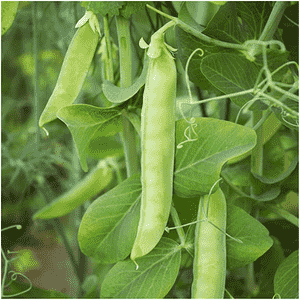
Garden pea (Pisum sativum)
Also known as: Chinese Pea, Honey Pea, Shelling pea, Green pea, Pea
The pea plant (Pisum sativum) is an annual vegetable known for thriving in cooler climates. Reaching heights of 30 to 46 cm, it produces peapods after its initial growing phase. Both the peas and their pods are edible and can be enjoyed either raw or cooked. Additionally, the tender tips, referred to as pea shoots, are edible and are great for dishes like stir-fries.
In This Article
Attributes of Garden pea
Lifespan
Annual, Biennial
Plant Type
Vine, Herb
Plant Height
90 cm to 1.8 m
Spread
15 cm to 30 cm
Leaf Color
Green
Flower Size
1 cm to 2.5 cm
Flower Color
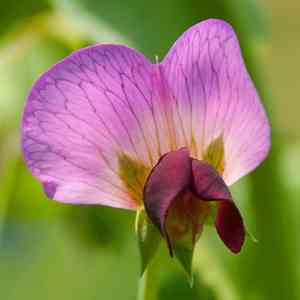
White Purple
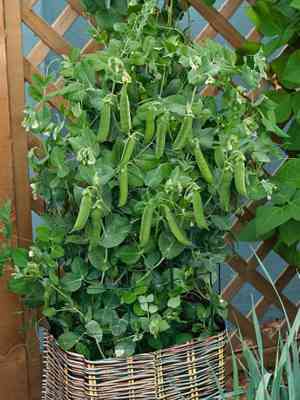
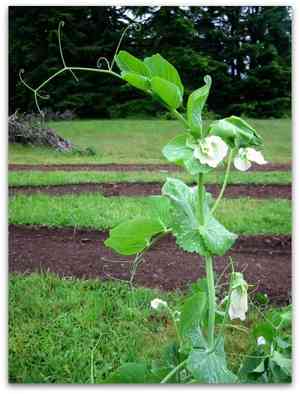
Images of Garden pea
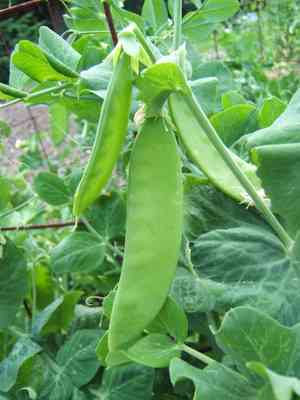
Quickly Identify Garden pea
1
Vines grow 3-6 feet (1-2 meters), aiding in climbing and trailing.
2
Pea-shaped flowers in white, pink, or purple, 1.5-3.5 cm in size.
3
Dehiscent pods with seeds of varying colors and spheric to ovoid shapes.
4
Pinnately compound leaves with tendrils and large stipules, crucial for identification.
5
Distinctive compound leaves terminate with climbing tendrils for support.
Scientific Classification of Garden pea
Phylum
Vascular plants
Class
Dicotyledons
Order
Legumes, milkworts and allies
Family
Legume
Genus
Peas
Species
Garden pea
Planting and Growing of Garden pea
Care Difficulty
Easy
Watering Schedule
Every 8 days
Sunlight Requirements
Full sun
Sunshine Duration
6-10 hours
Ideal Temperature
60-75℉
Soil Type
Potting Mix, Peat Mix
Soil pH
6-7.5
Fertilizer Type
Balanced
Pruning Season
Spring, Summer
Pruning Area
Branches, Leaves
Pruning Frequency
2 times a year
Repotting Season
Spring
Pot Type
Plastic, Ceramic
 How to Water Garden pea?
For Pisum sativum, it’s essential to water until the soil is moist but not soggy. This typically means about 200 ml per session. Ensure the water penetrates deep enough to reach the root zone but avoid waterlogging, as this can drown the roots.
More About Watering Techniques→
What are the symptoms of an underwatered Garden pea?
›
What should I do if my Garden pea is not getting enough water?
›
What are the symptoms of an overwatered Garden pea?
›
How to save an overwatered Garden pea?
›
 What Are the Sunlight Requirements for Garden pea?
Pisum sativum performs best with full to partial sun exposure. Ideal lighting triggers photosynthesis and nutrient absorption, contributing to vigorous growth and improved yields, making it a sustainable crop in suitable lighting conditions.
More About Sunlight Requirements Techniques→
What is the best type of sunlight for Pisum sativum?
›
How can I ensure my Pisum sativum gets the ideal lighting?
›
What benefits does Pisum sativum gain from receiving optimal light?
›
 What Is the Ideal Temperature Range for Garden pea?
The ideal temperature range for growing Pisum sativum, commonly known as pea plants, is between 60°F and 75°F. This range provides optimal conditions for the plant's growth and development, ensuring healthy foliage and a robust yield. Maintaining this temperature helps balance the metabolic processes, including photosynthesis and nutrient absorption, leading to better overall plant health and productivity.
 What Soil is Best for Garden pea?
Pea plants thrive in well-draining soil which prevents waterlogging. This is essential since excess water can lead to root rot, thereby inhibiting nutrient uptake and ultimately affecting plant health and yield. Pisum sativum prefers nutrient-rich soil laden with organic matter. The abundance of nutrients supports vigorous growth and improves the overall yield, providing the plants with the essential minerals needed for their development. Pea plants require a neutral to slightly acidic pH range between 6.0 and 7.5. Maintaining this pH level ensures optimal nutrient availability and uptake, preventing issues such as nutrient lockout, which can impair plant health.
More About Soil→
 How to Fertilize Garden pea?
For Pisum sativum, apply a balanced liquid fertilizer such as 10-10-10 at half-strength during the growing season. Use approximately 1 liter of this diluted solution per 10 plants, ensuring you distribute it evenly among the base of the plants.
 How to Prune Garden pea?
Start by identifying the main stems of the Pisum sativum. Use sharp, clean shears to make a clean cut on the stems just above a leaf node, which will facilitate new growth. Focus on removing any dead or diseased stems first to direct the plant's energy to healthier parts. After the initial cut, trim away any stems that are overcrowding or growing inwards to maintain optimal airflow and light penetration. It's also helpful to untangle any tendrils to prevent the plant from becoming too bushy. While Pisum sativum benefits from natural growth, some shaping can help enhance its aesthetic appeal and boost productivity. Aim to keep the plant open and airy by eliminating stems that bunch together or cross each other. This method also reduces pest infestations and helps the plant to channel its resources into pea production. Ensure you leave the healthiest and strongest stems after the pruning session to form the main framework for future growth.
More About Pruning Techniques→
 How to Propagate Garden pea plant?
1
Before planting, prepare the seedbed by loosening the soil and ensuring it is well-drained. Add compost to enrich the soil with necessary nutrients for seed growth.
2
Sow Pisum sativum seeds about 1 inch deep in the soil, with a spacing of 2-3 inches between seeds. This spacing allows each plant room to grow without competing for resources.
3
After sowing, water the seedbed thoroughly without causing waterlogging. Ensure that the soil remains consistently moist but not soggy throughout the germination period.
 How to Repot Garden pea plant?
1
Pisum sativum signals its need for repotting when it appears root-bound, which means the roots are visible through drainage holes or circling the pot's bottom. Another strong indicator is stunted growth, even under ideal conditions. If the plant has unusually compact and hard soil or if water takes too long to drain, it's a sure sign that repotting is necessary. The ideal time to repot is early spring, aligning with its growing period to minimize stress.
2
Selecting the perfect pot for Pisum sativum involves considering both size and material. Ideally, opt for a pot that is one to two inches larger in diameter than the current one to allow room for growth. Additionally, clay pots can offer better airflow to roots and reduce the chances of overwatering due to their porous nature. This careful selection ensures the plant's roots breathe easily, enhancing overall health. Furthermore, drainage holes are crucial in preventing root rot.
3
When choosing soil for repotting Pisum sativum, prioritize well-draining loamy soil mixed with organic matter like compost. Such soil provides essential nutrients and ensures optimal drainage, preventing water logging. Loamy soil mimics the pea's natural growing conditions, ensuring steady growth and resistance to diseases. The organic component further enriches the soil, supporting the plant's vigorous growth. By opting for this soil mix, you give your pea plant the best start in its new pot.
Learn More About Garden pea Diseases
Anthracnose
Bacterial Leaf Spot
Bacterial Soft Rot
Bacterial Wilt
Chemical Injury
Cyst Nematode
Damping-off
Downy Mildew
Drought Stress
Fusarium Wilt
Gray Mold
Leaf Spot
Mosaic
Nutrient Deficiency
Nutrient Toxicity
Powdery Mildew
Root Rot
Root-knot Nematode
Rusts
Spider Mites
Temperature Stress
Thrips Damage
White Mold



