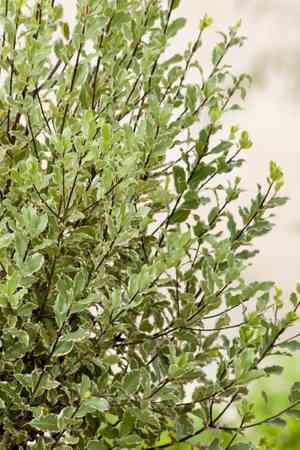
Kōhūhū (Pittosporum tenuifolium)
Also known as: Black matipo, Thin leaved pittosporum
*Pittosporum tenuifolium*, commonly known as kōhūhū or black matipo, is a plant species unique to New Zealand. It is notable for its night-time fragrant flowers. The name "tenuifolium" translates to "slender leaves." Kōhūhū typically grows in coastal and lower mountain forests. The plant is known to attract various insects and supports several fungal pathogens. Additionally, the indigenous Māori people traditionally extract its oil for its aromatic properties.
Attributes of Kōhūhū
Images of Kōhūhū
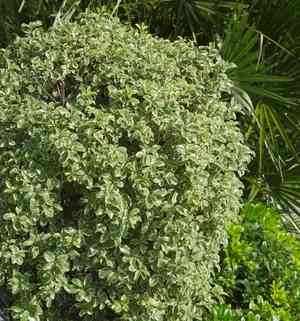
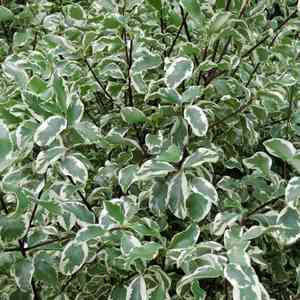
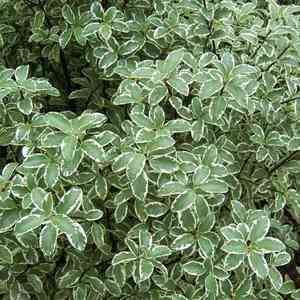
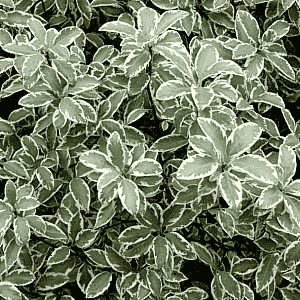
Quickly Identify Kōhūhū
Scientific Classification of Kōhūhū
Planting and Growing of Kōhūhū
 How to Water Kōhūhū?
 What Are the Sunlight Requirements for Kōhūhū?
 What Is the Ideal Temperature Range for Kōhūhū?
 What Soil is Best for Kōhūhū?
 How to Fertilize Kōhūhū?
 How to Prune Kōhūhū?
 How to Propagate Kōhūhū plant?
 How to Repot Kōhūhū plant?
Toxicity of Kōhūhū
Is Kōhūhū toxic to humans?
Kōhūhū exhibits a mild toxicity level in humans, as all parts of the plant contain potentially dangerous saponins. Ingesting these saponins can result in adverse health effects. Symptoms associated with kōhūhū poisoning are primarily gastrointestinal, encompassing nausea, vomiting, and diarrhea. Additionally, some individuals may encounter headaches and fatigue. Given that the entire plant is toxic, it is crucial to take precautions to avoid accidental ingestion, especially by children and pets who may be attracted to its alluring foliage or berries. The mild toxicity of kōhūhū highlights the necessity for awareness and caution when dealing with or being near this plant.
Is Kōhūhū toxic to cat?
Kōhūhū is known to have a mild degree of toxicity for felines. Cats can unintentionally consume various parts of the kōhūhū plant, leading to potential poisoning since all its sections contain saponins, the harmful compounds responsible. After ingestion, a cat may display symptoms of physical distress or illness. To reduce the risk, cat owners must keep a vigilant eye on their pets and ensure that kōhūhū is kept out of their reach. Should a cat show any negative reactions thought to be linked to the ingestion of kōhūhū, seeking immediate veterinary assistance is essential for the pet’s well-being.
Is Kōhūhū toxic to dog?
The species of plant known as kōhūhū possesses a mild toxicity level for dogs. Any part of this plant can be harmful if ingested, as it is entirely toxic. Dogs typically consume the plant by mistake, leading to potential poisoning. Symptoms following the ingestion of kōhūhū can include vomiting, diarrhea, and abdominal pain, which are caused by saponins, the toxic compounds found within this plant. Dog owners should vigilantly supervise their pets and restrict access to kōhūhū to prevent any chances of accidental poisoning. In the event a dog consumes any part of kūhūhū, it is critical to seek immediate veterinary care.



