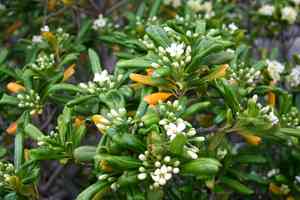
Japanese pittosporum (Pittosporum tobira)
Also known as: Japanese mock orange, Australian laurel
The name "Japanese pittosporum" can be misleading as it is not a true orange plant. The name derives from its fragrant flowers, which emit a citrus-like scent similar to orange blossoms. Although the flowers are short-lived, lasting only about two weeks, the plant's dark evergreen foliage remains visually appealing throughout the year, making it an excellent choice for borders or as a standalone feature in gardens.
In This Article
Attributes of Japanese pittosporum
Lifespan
Perennial
Plant Type
Shrub
Plant Height
6 m to 10 m
Spread
3 m
Leaf Color
Green
Flower Size
1 cm to 1.2 cm
Flower Color
White Yellow Cream
Images of Japanese pittosporum
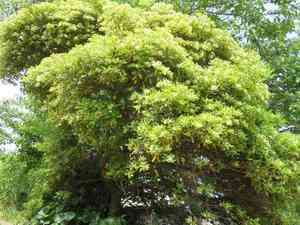
Quickly Identify Japanese pittosporum
1
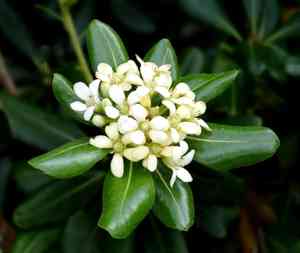
Creamy-white flowers with orange scent; 2-3 inches (5-7.5 cm) in size.
2
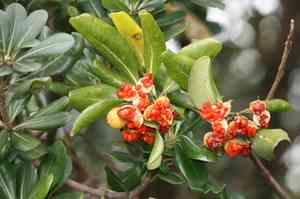
Pear-shaped green capsules transitioning to brown; 0.4-0.8 inches (1-2 cm).
3
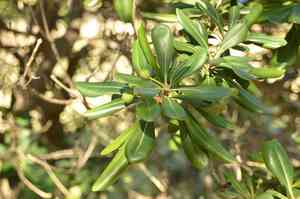
Thick, leathery leaves with obovate shape; 1.5-4 inches (3.8-10 cm) long.
4
Dense, mounding growth habit up to 15 feet (4.5 meters) tall.
5
Smooth, thick stems with sympodial growth; 0.5-1 inch (1.27-2.54 cm) diameter.
Scientific Classification of Japanese pittosporum
Phylum
Vascular plants
Class
Dicotyledons
Order
Carrots, ivies and allies
Family
Cheesewood
Genus
Cheesewoods
Species
Japanese pittosporum
Planting and Growing of Japanese pittosporum
Care Difficulty
Easy
Watering Schedule
Every 2 days
Sunlight Requirements
Full sun
Sunshine Duration
4-8 hours
Ideal Temperature
60-75℉
Soil Type
Potting Mix, Peat Mix
Soil pH
6.5-7.5
Fertilizer Type
Balanced
Pruning Season
Spring, Summer
Pruning Area
Branches, Leaves
Pruning Frequency
2 times a year
Repotting Season
Spring
Pot Type
Plastic, Ceramic
 How to Water Japanese pittosporum?
When watering Pittosporum tobira, ensure that the soil is deeply soaked yet well-drained. This plant prefers consistent moisture levels without being waterlogged. When watering, aim to provide about 500 milliliters each time to sufficiently hydrate the soil without causing it to become waterlogged. The goal is to see water coming out of the drainage holes, indicating thorough saturation without excess.
More About Watering Techniques→
What are the symptoms of an underwatered Japanese pittosporum?
›
What should I do if my Japanese pittosporum is not getting enough water?
›
What are the symptoms of an overwatered Japanese pittosporum?
›
How to save an overwatered Japanese pittosporum?
›
 What Are the Sunlight Requirements for Japanese pittosporum?
Pittosporum tobira performs best under conditions of full to partial sun, requiring about 4 to 6 hours of sunlight daily. This light encourages lush growth, a healthy leaf structure, and vibrant blooming.
More About Sunlight Requirements Techniques→
What is the best light for Pittosporum tobira?
›
What can you do to achieve ideal lighting?
›
What are the benefits of obtaining ideal light?
›
 What Is the Ideal Temperature Range for Japanese pittosporum?
The ideal temperature range for Pittosporum tobira is between 60°F and 75°F. Within this range, the plant can thrive, producing healthy foliage and optimal growth. This range provides the perfect balance of warmth and humidity, facilitating photosynthesis and other physiological processes necessary for vibrant growth. Being a plant native to warm climates, it relishes mild conditions without extreme fluctuations in temperature.
 What Soil is Best for Japanese pittosporum?
Pittosporum tobira thrives in well-drained soil to prevent root rot, ensuring that water does not accumulate around its roots. This drainage is crucial for maintaining healthy roots and promoting vigorous plant growth. This plant prefers soil with moderate moisture retention, balancing water availability without causing saturation. Such conditions help the plant sustain its lush, green foliage and enhance its resilience to shorter dry spells. A nutrient-rich loam enhances the growth of Pittosporum tobira by providing essential macronutrients and trace elements. The richer the soil in organic matter, the healthier and more robust the plant's foliage and floral production.
More About Soil→
 How to Fertilize Japanese pittosporum?
For Pittosporum tobira, it's important to ensure the right amount of fertilization. Typically, use a balanced 10-10-10 fertilizer at half strength for liquid feeding. This helps to avoid any nutrient burn while still providing essential nutrients for growth and development.
More About Fertilizing Techniques→
 How to Prune Japanese pittosporum?
When pruning Pittosporum tobira, start by removing any dead or diseased branches to maintain plant health. Next, trim back any overgrown areas to maintain the desired shape and size. Use sharp, clean tools to make clean cuts just above a leaf node or bud to encourage new growth. To create a dense, rounded appearance, selectively prune branches to promote even growth. This can help to maintain an attractive, uniform shape. Regular pruning in this manner will encourage bushier growth and prevent the plant from becoming too leggy or sparse.
 How to Propagate Japanese pittosporum plant?
1
When propagating by seeds, collect seeds from mature Pittosporum tobira plants. Ensure the seeds are fully developed and dry them in a cool place before planting.
2
To propagate via cuttings, select healthy stems free of disease. Cut 4–6 inch sections below a node using clean, sharp shears, and remove the lower leaves.
3
For layering, choose a low-growing stem and lightly wound it. Then cover the wounded section with soil while keeping it attached to the parent plant. Roots will develop over time.
 How to Repot Japanese pittosporum plant?
1
Repot Pittosporum tobira when you observe roots emerging from the drainage holes or when the plant shows stunted growth and wilting. These signs indicate that the plant is root-bound or the soil has lost its nutrient efficacy.
2
Choose a pot that's about 2 inches larger in diameter than the current one. Ensure it has adequate drainage holes. The additional space allows for root expansion, while good drainage prevents waterlogging that could lead to root rot.
3
Opt for a well-draining fertile mix. This kind of soil maintains moisture without retaining excess water. It allows air to reach the roots, encouraging healthy growth and preventing the detrimental effects of over-watering.



