
Ribwort plantain (Plantago lanceolata)
Also known as: Ribleaf, English plantain, Buckhorn plantain
Ribwort plantain is recognizable by its parallel-veined leaves and thrives in various habitats with adequate sunlight. Its flower heads are used in traditional British children's games. The plant serves as an important food source: its seeds feed songbirds, while rabbits and deer consume its leaves.
In This Article
Attributes of Ribwort plantain
Lifespan
Perennial, Annual, Biennial
Plant Type
Herb
Plant Height
5 cm to 50 cm
Spread
15 cm
Leaf Color
Green
Flower Size
2.5 cm to 8 cm
Flower Color
Brown White
Images of Ribwort plantain
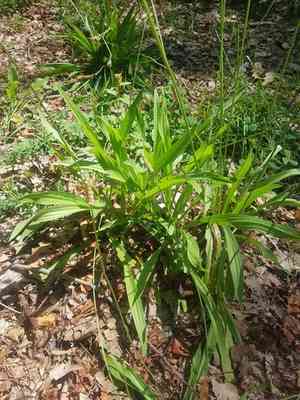
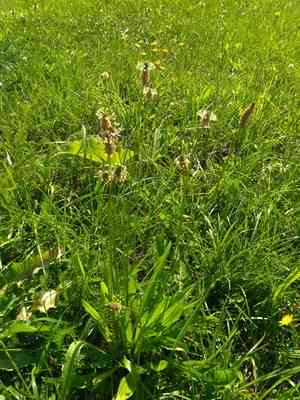
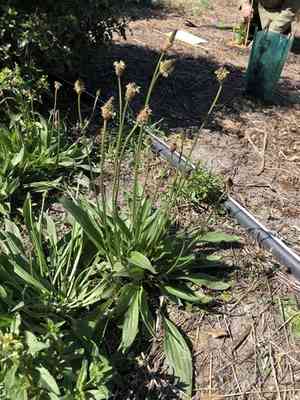
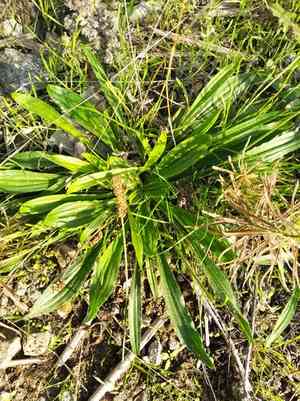
Quickly Identify Ribwort plantain
1
Narrow, lance-shaped leaves tapered to a point in a rosette pattern.
2
Small, inconspicuous bisexual flowers in dense cylindrical spikes.
3
Tiny shiny green fruit turning brown with papery texture.
4
Erect, stalked lanceolate leaves with sparsely toothed margins.
5
Slightly furrowed angular stem, 6-18 inches tall, with scattered hairs near base.
Scientific Classification of Ribwort plantain
Phylum
Vascular plants
Class
Dicotyledons
Order
Mints plantains olives and allies
Family
Plantain
Genus
Plantains
Species
Ribwort plantain
Planting and Growing of Ribwort plantain
Care Difficulty
Easy
Watering Schedule
Every 3 days
Sunlight Requirements
Partial sun
Sunshine Duration
4-8 hours
Ideal Temperature
60-75℉
Soil Type
Potting Mix, Peat Mix
Soil pH
6.5-7.5
Fertilizer Type
Balanced
Pruning Season
Spring, Summer
Pruning Area
Branches, Leaves
Pruning Frequency
2 times a year
Repotting Season
Spring
Pot Type
Plastic, Ceramic
 How to Water Ribwort plantain?
For Plantago lanceolata, the watering amount should be sufficient to moisten the soil about 4 inches deep. Ensure the entire root zone receives water without leaving it soggy. The key is to maintain consistent moisture while allowing the topsoil to dry slightly.
What are the symptoms of an underwatered Ribwort plantain?
›
What should I do if my Ribwort plantain is not getting enough water?
›
What are the symptoms of an overwatered Ribwort plantain?
›
How to save an overwatered Ribwort plantain?
›
 What Are the Sunlight Requirements for Ribwort plantain?
Partial to full sunlight throughout the day is ideal. This range supports robust foliage development and an enhanced ability to flower, contributing positively to its ecological role and aesthetic appeal.
Question 1: How much sunlight does Plantago lanceolata need?
›
Question 2: What are the best solutions to ensure optimal light conditions?
›
Question 3: What benefits arise from ideal lighting for Plantago lanceolata?
›
 What Is the Ideal Temperature Range for Ribwort plantain?
Plantago lanceolata thrives best in temperatures ranging from 60°F to 75°F. This range facilitates optimal photosynthesis and growth, ensuring robust development. In this range, the plant's metabolic processes are most effective, leading to lush foliage and healthy flowering.
 What Soil is Best for Ribwort plantain?
Plantago lanceolata thrives best in well-draining soils as it prevents root rot by avoiding waterlogging. This soil condition facilitates healthy root development, enabling the plant to access nutrients more efficiently. This plant demands nutrient-rich soil which enhances its growth and flowering. High organic matter content supplies crucial minerals and elements, ensuring robust plant health and vigor. While drought-tolerant, Plantago lanceolata benefits from moderate soil moisture. Consistent moisture levels help maintain optimal physiological processes such as photosynthesis and transpiration.
 How to Fertilize Ribwort plantain?
For Plantago lanceolata, use a nitrogen-rich fertilizer, applying approximately 2 grams per plant monthly in liquid form. Solid fertilizers should be spread at about 15 grams per square meter bi-annually. Over-fertilization can harm the plant, hence moderation is key.
 How to Prune Ribwort plantain?
Begin by examining the plant for any dead or yellowing leaves, and remove them with sterilized scissors. Next, look for any wilted or damaged stems that need refreshment. For a robust and bushy appearance, trim the plant back by about one-third, cutting just above a set of healthy leaves. This will encourage new growth and maintain the shape. Be sure to make clean cuts to promote quick healing and prevent diseases. Pruning is ideally performed in the morning when the light is bright but not too intense, reducing the risk of stressing the plant. Avoid pruning during extreme weather conditions like heatwaves or cold snaps, as this can weaken the plant further.
 How to Propagate Ribwort plantain plant?
1
Start by filling a seed tray with a good quality seed-starting mix. Evenly spread the seeds over the soil surface, covering them lightly with a thin layer of additional mix and water gently.
2
To divide, dig up the plant carefully in early spring. Gently separate the roots with your hands, ensuring each division has a healthy root system, then reposition in their new locations.
3
After planting, maintain moisture in the soil consistently. Overwatering should be avoided by ensuring good drainage, yet dry soil can hinder root establishment.
 How to Repot Ribwort plantain plant?
1
You should consider repotting Plantago lanceolata when the plant shows signs of outgrowing its container, such as roots growing out of drainage holes or the plant appearing too large for the pot. Spring is the perfect time, as it allows the plant to establish in a new environment as it enters the growing season.
2
Choose a pot that is slightly larger than the current one, made of a material that provides good aeration, such as terracotta. This ensures ample room for root growth and prevents waterlogging, which can lead to root rot.
3
Opt for a well-draining potting mix enriched with organic matter. This offers excellent drainage while providing necessary nutrients, mimicking the plant’s natural habitat and helping in vigorous growth.
Learn More About Ribwort plantain Diseases
Anthracnose
Bacterial Leaf Spot
Chemical Injury
Cyst Nematode
Damping-off
Downy Mildew
Drought Stress
Fusarium Wilt
Gray Mold
Leaf Curl
Leaf Spot
Mosaic
Nutrient Deficiency
Nutrient Toxicity
Powdery Mildew
Root Rot
Root-knot Nematode
Rusts
Sooty Mold
Spider Mites
Temperature Stress
Thrips Damage
White Mold



