
Common plantain (Plantago major)
Also known as: Broadleaf plantain, Snakeroot
Originating from Europe, broadleaf plantain (Plantago major) was among the earliest plants brought to North America by European explorers. Native Americans named it 'white man's footprint' because its introduction often led to significant disruptions in local ecosystems.
Attributes of Common plantain
Images of Common plantain

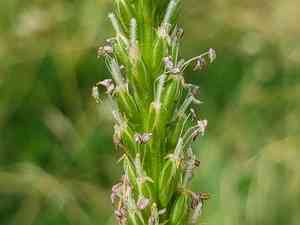


Quickly Identify Common plantain
Scientific Classification of Common plantain
Planting and Growing of Common plantain
 How to Water Common plantain?
 What Are the Sunlight Requirements for Common plantain?
 What Is the Ideal Temperature Range for Common plantain?
 What Soil is Best for Common plantain?
 How to Fertilize Common plantain?
 How to Prune Common plantain?
 How to Propagate Common plantain plant?
 How to Repot Common plantain plant?
Toxicity of Common plantain
Is Common plantain toxic to humans?
Consuming large quantities of common plantain can lead to diarrhea and a decrease in blood pressure, and may also result in symptoms such as vomiting, bloating, heightened sensitivity, and loss of appetite. Furthermore, there is evidence indicating that severe overdoses could potentially cause life-threatening anaphylaxis. Additionally, direct contact with this plant can result in dermatitis. It is advisable to steer clear of common plantain, particularly if one is experiencing abdominal pain or intestinal blockage.



