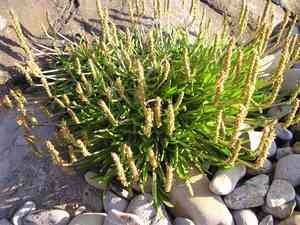
Sea plantain (Plantago maritima)
Also known as: Seaside plantain
Plantain (Plantago maritima) is a hardy herbaceous perennial known for its small greenish-brown flowers that bloom during the summer. The seeds of this plant mature from summer through fall. It's well-adapted to tough coastal environments and features a robust taproot that helps it stay anchored in challenging conditions.
In This Article
Attributes of Sea plantain
Lifespan
Perennial
Plant Type
Herb
Plant Height
5 cm to 25 cm
Spread
30 cm
Leaf Color
Green
Flower Size
3 mm
Flower Color
Yellow Green Brown
Images of Sea plantain
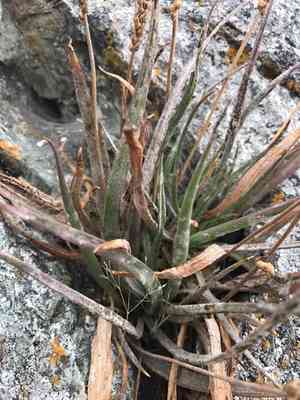
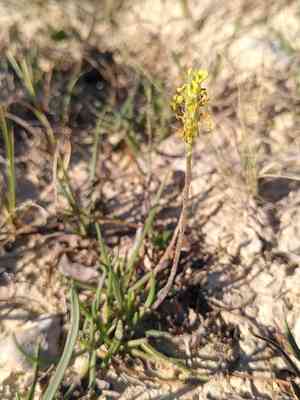
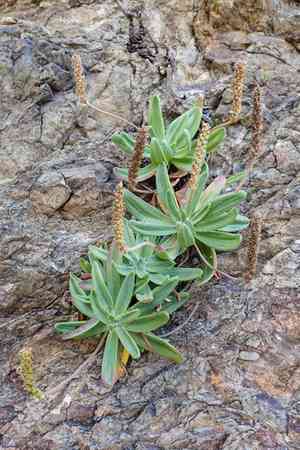
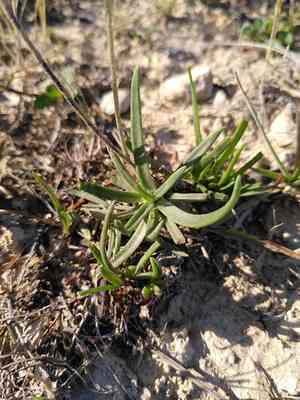
Quickly Identify Sea plantain
1
Rosette of narrow, fleshy leaves, 2-3 inches (5-7.5 cm) in length.
2
Tight flowering spikes, about 6 inches (15 cm) tall, with distinct yellow stamens.
Scientific Classification of Sea plantain
Phylum
Vascular plants
Class
Dicotyledons
Order
Lamiales
Family
Plantain
Genus
Plantains
Species
Sea plantain
Planting and Growing of Sea plantain
Care Difficulty
Easy
Watering Schedule
Every day
Sunlight Requirements
Full sun
Sunshine Duration
6-10 hours
Ideal Temperature
59-77℉
Soil Type
Potting Mix, Peat Mix
Soil pH
6.5-7.5
Fertilizer Type
Balanced
Pruning Season
Spring, Summer
Pruning Area
Branches, Leaves
Pruning Frequency
2 times a year
Repotting Season
Spring
Pot Type
Plastic, Ceramic
 How to Water Sea plantain?
Plantago maritima prefers minimal watering. Ensure the soil is moistened but not overly saturated. A light watering of around 25 milliliters is adequate to keep this hardy plant thriving without drowning its roots.
What are the symptoms of an underwatered Sea plantain?
›
What should I do if my Sea plantain is not getting enough water?
›
What are the symptoms of an overwatered Sea plantain?
›
How to save an overwatered Sea plantain?
›
 What Are the Sunlight Requirements for Sea plantain?
Thriving in full to partial sunlight, Plantago maritima benefits from adequate exposure which supports effective photosynthesis, enhancing its structural and metabolic growth. This prevents common issues like stem elongation and leaf discoloration.
More About Sunlight Requirements Techniques→
Ideal Light Intensity
›
Ensuring Adequate Lighting
›
Benefits of Ideal Lighting
›
 What Is the Ideal Temperature Range for Sea plantain?
The ideal temperature range for the growth of Plantago maritima is between 59°F and 77°F. Within this range, the plant can perform optimal photosynthesis and maintain healthy physiological processes. These temperatures facilitate efficient nutrient uptake and support robust growth.
 What Soil is Best for Sea plantain?
Plantago maritima thrives best in well-drained soil, which prevents waterlogging around the roots. This necessity ensures the roots remain healthy and free from rot, thereby promoting vigorous growth. Although it can tolerate poorer soils, a nutrient-rich composition enhances its growth considerably. The availability of essential nutrients supports robust foliage and consistent flowering. While it does not demand constantly moist conditions, maintaining some moisture in the soil helps sustain the plant during dry spells, providing resilience and reducing stress.
 How to Fertilize Sea plantain?
Plantago maritima, commonly known as sea plantain, requires moderate fertilization. Use a balanced liquid fertilizer with an N-P-K ratio of 10-10-10, applying 100 ml per plant, diluted according to the manufacturer's instructions.
 How to Prune Sea plantain?
Look for leaves that appear discolored, wilted, or damaged. These should be pruned first to prevent any disease from spreading. Trim these leaves at the base where they meet the stem. When shaping, be mindful not to remove more than one-third of the plant's foliage at any one time. This will help avoid stressing the plant and allow it to recover quickly while maintaining its lush appearance. To promote bushier growth, cut just above a set of leaves or a node. This technique encourages the plant to grow sideways rather than focusing all its energy on vertical growth.
More About Pruning Techniques→
 How to Propagate Sea plantain plant?
1
Harvest seeds from mature Plantago maritima plants in late summer. Make sure the seed heads are dry and brown, and collect them before they disperse naturally. Store seeds in a dry, cool place until you're ready to plant.
2
Prepare a well-draining soil mix for your seed tray. A combination of sand, peat moss, and a bit of compost works well. This ensures that the seeds have a nutrient-rich environment that allows for sufficient drainage.
3
In early spring, carefully dig up the Plantago maritima plant. Use a sharp knife or hand trowel to divide the plant into smaller sections. Ensure each section has a healthy amount of roots and foliage before replanting.
 How to Repot Sea plantain plant?
1
Repot Plantago maritima when you notice roots poking out of the drainage holes, the soil dries out too quickly, or growth has slowed despite optimal care. During these times, the plant requires more room to thrive.
2
Select a pot that's one size larger than the current one, ensuring it has adequate drainage holes. This minimizes waterlogging and provides the roots with ample space to grow, promoting healthier development.
3
Opt for a well-draining, sandy soil mix that mimics its native coastal habitat. This ensures proper moisture balance and prevents root rot, creating an environment where the plant can flourish.
Learn More About Sea plantain Diseases
Anthracnose
Bacterial Leaf Spot
Bacterial Soft Rot
Bacterial Wilt
Black Spot
Chemical Injury
Cyst Nematode
Damping-off
Downy Mildew
Drought Stress
Fusarium Wilt
Gray Mold
Leaf Spot
Mosaic
Nutrient Deficiency
Nutrient Toxicity
Powdery Mildew
Root Rot
Root-knot Nematode
Rusts
Sooty Mold
Spider Mites
Temperature Stress
Thrips Damage
White Mold



