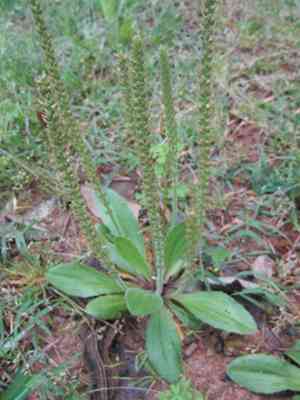
Virginia plantain(Plantago virginica)

Virginia plantain (Plantago virginica)

Also known as: Hoary plantain, Pale-seed plantain, Paleseed Plantain

Virginia plantain (Plantago virginica) is a small perennial herb, typically reaching a height of 6 to 12 inches. It features a basal rosette of narrow, lance-shaped leaves with prominent veins. From spring to summer, it produces slender spikes adorned with small, white to pale pink flowers.

This plant is native to North America, including Florida. Traditionally, it has been used for its medicinal properties, particularly as an astringent. Additionally, the leaves, stems, and seeds are edible, often used in salads or cooked dishes. Virginia plantain is also appreciated for its ecological role, providing nourishment for pollinators and aiding in soil stabilization.

Attributes of Virginia plantain

Lifespan
Annual, Biennial
Plant Type
Herb
Plant Height
0 mm to 2 cm
Spread
8 cm to 30 cm
Leaf Color
Green
Flower Size
1.5 mm to 2.5 mm
Flower Color
White Yellow Green Brown

PlantJoy - Identify plants with a snap

Identify and diagnose plants, get toxicity alerts, and explore safety guides for all types of fungi.

Try for Free

Images of Virginia plantain

Virginia plantain(Plantago virginica)

Quickly Identify Virginia plantain

1
Wooly foliage distinguishes virginia plantain with lance-shaped leaves.
2
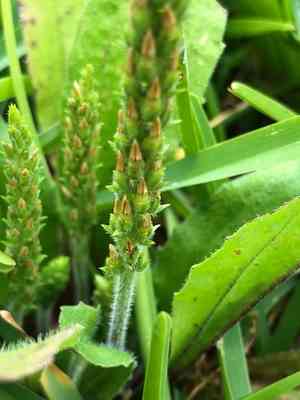
Tiny white wind-pollinated flowers in dense spikes at 4-8 inches (10-20 cm).
3
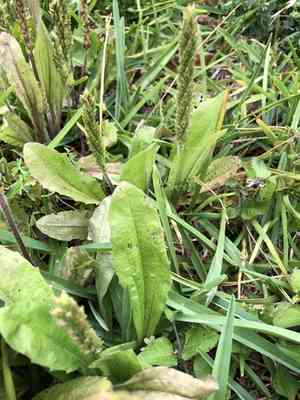
Medium green leaves with fuzzy texture, measuring 1.5-6 inches (4-15 cm) long.
4
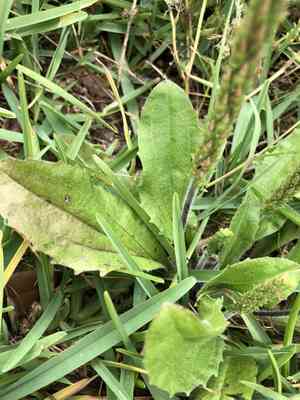
Leaves exhibit 3-5 prominent veins and have reddish winged petioles.

Scientific Classification of Virginia plantain

Phylum
Vascular plants
Class
Dicotyledons
Order
Lamiales
Family
Plantain
Genus
Plantains
Species
Virginia plantain

Planting and Growing of Virginia plantain

Care Difficulty
Easy
Watering Schedule
Every 4 days
Sunlight Requirements
Full sun
Sunshine Duration
4-6 hours
Ideal Temperature
65-75℉
Soil Type
Potting Mix, Peat Mix
Soil pH
6.5-7.5
Fertilizer Type
Balanced
Pruning Season
Spring, Summer
Pruning Area
Branches, Leaves
Pruning Frequency
2 times a year
Repotting Season
Spring
Pot Type
Plastic, Ceramic

water icon How to Water Virginia plantain?

For Plantago virginica, ensure that the soil is evenly moist, but not waterlogged. Aim to provide around 250 milliliters of water each time, making sure the soil is saturated to a depth of about 5-10 centimeters. The goal is to mimic the plant's natural habitat where rains typically soak the ground moderately without causing flooding.
What are the symptoms of an underwatered Virginia plantain?
What should I do if my Virginia plantain is not getting enough water?
What are the symptoms of an overwatered Virginia plantain?
How to save an overwatered Virginia plantain?

sunlight icon What Are the Sunlight Requirements for Virginia plantain?

Sunlight Requirements: Full sun, Partial sun
Duration of light: 2-6 hours sunlight
Plantago virginica flourishes in full to partial sun. Ideal light enhances its growth, leading to healthy foliage and abundant flowering, ensuring optimal plant development.
What is the best lighting condition for Plantago virginica?
How to achieve ideal lighting conditions for Plantago virginica?
What benefits does Plantago virginica receive from ideal lighting?

temperature icon What Is the Ideal Temperature Range for Virginia plantain?

Ideal Temperature: 65 ~ 75℉
The ideal temperature range for Plantago virginica is between 65°F to 75°F. Within this range, the plant experiences optimal growth and physiological functioning. This range supports proper metabolic processes, water absorption, and nutrient uptake, ensuring that the plant thrives in a healthy environment.

soil icon What Soil is Best for Virginia plantain?

Soil type: Sandy soil, Loam, Sandy loam
Soil PH: 6.5 ~ 7.5
Plantago virginica thrives best in well-drained soil, which prevents root rot by ensuring excess water doesn't linger around the roots. This condition supports healthy root growth and allows for optimal absorption of nutrients. A nutrient-rich substrate is crucial for the healthy growth of Plantago virginica. It ensures the plant receives all essential minerals needed for vital functions such as photosynthesis, leading to robust growth and vibrant foliage. Moderate moisture retention in soil helps keep Plantago virginica hydrated without waterlogging the roots. This balance is important for maintaining steady plant health, encouraging steady growth and flowering.

fertilize icon How to Fertilize Virginia plantain?

Fertilizer type: Balanced
For Plantago virginica, apply a balanced liquid fertilizer at a dilution of 1:2, ensuring the soil remains nutrient-rich without oversaturating it. Slow-release granules can be used at about 50 grams annually to maintain steady growth. It's vital to consider soil conditions and adjust accordingly.

prune icon How to Prune Virginia plantain?

Pruning Time: Spring, Summer
Begin by identifying the old and dead foliage. Carefully trim these parts close to the soil without damaging the healthy sections. Proceed to thin out dense areas in the middle of the plant, which helps improve air circulation and sunlight penetration. Always wear gloves and protective gear when pruning Plantago virginica to avoid skin irritation. Additionally, sterilize your pruning tools after each use to prevent plant diseases from spreading.

propagate icon How to Propagate Virginia plantain plant?

Propagate Time: Spring, Early spring, Late spring
1
Use a well-draining soil mix in a seed tray to foster optimal growth. It's important to lightly moisten the soil before sowing seeds to ensure even distribution and germination.
2
Scatter seeds evenly over the surface of the soil. Plant the seeds at a shallow depth—approximately 1/8 inch deep—as this promotes better access to sunlight and enhances germination rates.
3
Keep the soil consistently moist but not waterlogged. Mist the seedlings regularly to maintain humidity and prevent the soil from drying out, as even slight moisture fluctuations can hinder growth.

repot icon How to Repot Virginia plantain plant?

Repotting frequency: Every 1-2 years
1
Repotting Plantago virginica should be based on specific signals. If you notice roots protruding from the drainage holes or the plant seems to be drying out quickly after watering, it's a good indication that it's time to repot. Additionally, if the plant has outgrown its pot or the soil has become compacted, repotting is necessary to ensure healthy growth.
2
Select a pot that's just one size larger than the current one. A pot that's too large can retain excess moisture, leading to root rot. Ensure it has good drainage holes to allow excess water to escape. This choice aids in preventing overwatering and ensures the plant's roots have ample space to spread naturally.
3
Opt for a well-draining potting mix. A mix that contains sand, perlite, or bark ensures adequate aeration and drainage. These components help prevent waterlogging, reduce the risk of root diseases, and promote robust root development, vital for the plant's overall vigor.

PlantJoy - Identify plants with a snap

Find the best spots for them to optimize their health, simply using your phone.

Try for Free