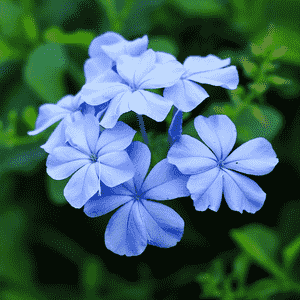
Cape leadwort (Plumbago auriculata)
Also known as: Blister bush, Cape plumbago
Cape leadwort, scientifically known as *Plumbago auriculata*, is a flowering plant indigenous to South Africa. The term "auriculata" in its name signifies "with ears," alluding to the shape of its leaves. These leaves provide nourishment for the caterpillars of the Hummingbird hawk-moth. Additionally, the plant's adhesive sepals can trap small animals like houseflies.
Attributes of Cape leadwort
Images of Cape leadwort


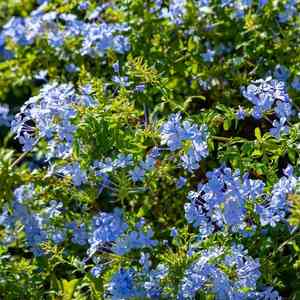

Quickly Identify Cape leadwort
Scientific Classification of Cape leadwort
Planting and Growing of Cape leadwort
 How to Water Cape leadwort?
 What Are the Sunlight Requirements for Cape leadwort?
 What Is the Ideal Temperature Range for Cape leadwort?
 What Soil is Best for Cape leadwort?
 How to Fertilize Cape leadwort?
 How to Prune Cape leadwort?
 How to Propagate Cape leadwort plant?
 How to Repot Cape leadwort plant?
Toxicity of Cape leadwort
Is Cape leadwort toxic to cat?
Cape leadwort exhibits a low degree of toxicity to cats and presents a danger if ingested in large quantities. Every part of the plant is toxic, indicating that any portion of cape leadwort can lead to poisoning in cats. If a cat ingests cape leadwort, it might show common signs of physical discomfort or illness. In the event of such an occurrence, it is crucial to obtain prompt veterinary assistance to safeguard the health of the affected cat.
Is Cape leadwort toxic to dog?
Cape leadwort is recognized for having a low to moderate toxicity level for dogs. Canines may become poisoned after ingesting significant quantities of this plant. Every part of cape leadwort is toxic, indicating that consuming any segment—be it leaves, stems, flowers, or roots—may result in poisoning. Symptoms that can occur following ingestion by a dog include gastrointestinal distress such as vomiting and diarrhea, listlessness, and potentially more serious reactions depending on the amount consumed. It is essential for dog owners to keep a vigilant eye on their pets and restrict their access to cape leadwort, particularly if their dog tends to nibble on plants. Should a dog accidentally consume cape leadwort, it is crucial to obtain prompt veterinary assistance to ensure appropriate care and management of any resulting symptoms.



