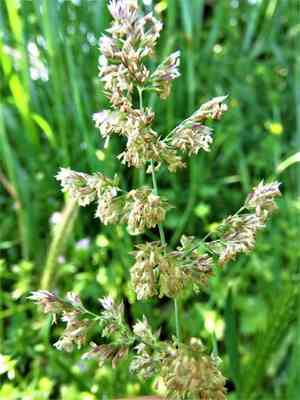
Texas bluegrass (Poa arachnifera)
Also known as: Texas bluegrass
The Texas bluegrass is scientifically known as *Poa arachnifera*. It belongs to the grass species.
In This Article
Attributes of Texas bluegrass
Lifespan
Perennial
Plant Type
Grass
Plant Height
30 cm to 91 cm
Spread
N/A
Leaf Color
Blue-green
Flower Size
Small, up to 0.2 cm
Flower Color
Greenish to purplish
Images of Texas bluegrass
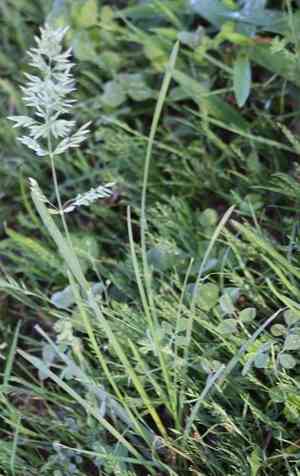
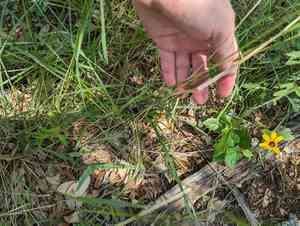
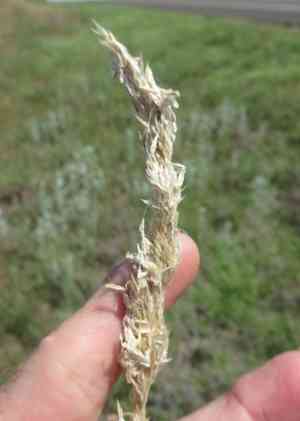
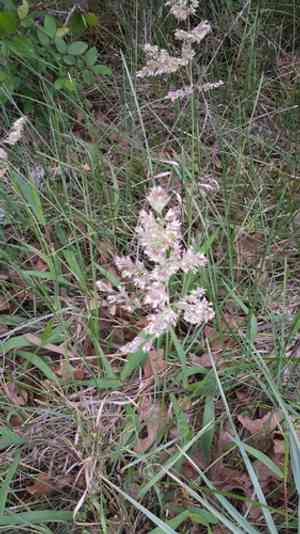
Quickly Identify Texas bluegrass
1
Dense clumps reaching 12 inches (30 cm) tall distinguish this cool-season grass.
2
Narrow, blue-green leaves are a key identifier of this species.
3
Fluffy, silvery sterile flowers in spring stand 2-3 feet (60-90 cm) tall.
4
Strong rhizomes facilitate efficient spreading in the growth environment.
5
Remarkable cold tolerance down to 25 degrees Fahrenheit (-4 degrees Celsius) is notable.
Scientific Classification of Texas bluegrass
Phylum
Vascular plants
Class
Monocotyledons
Order
Poales
Family
Grass
Genus
Meadow-grasses
Species
Texas bluegrass
Planting and Growing of Texas bluegrass
Care Difficulty
Easy
Watering Schedule
Every 6 days
Sunlight Requirements
Full sun
Sunshine Duration
6-12 hours
Ideal Temperature
60-75℉
Soil Type
Potting Mix, Peat Mix
Soil pH
6.5-7.5
Fertilizer Type
Balanced
Pruning Season
Spring, Summer
Pruning Area
Branches, Leaves
Pruning Frequency
2 times a year
Repotting Season
Spring
Pot Type
Plastic, Ceramic
 How to Water Texas bluegrass?
Poa arachnifera prefers moderately moist soil. Water the plant until the soil is thoroughly moistened, but ensure that excess water drains away to prevent waterlogging. The goal is to maintain an even moisture balance.
What are the symptoms of an underwatered Texas bluegrass?
›
What should I do if my Texas bluegrass is not getting enough water?
›
What are the symptoms of an overwatered Texas bluegrass?
›
How to save an overwatered Texas bluegrass?
›
 What Are the Sunlight Requirements for Texas bluegrass?
Poa arachnifera prefers full to partial sun, ideally receiving 6 to 8 hours of light daily. This supports vigorous growth, dense turf, and healthy root systems, optimizing the plant's resilience and visual appeal.
Ideal sunlight duration
›
Solution for ideal conditions
›
Benefits of ideal sunlight
›
 What Is the Ideal Temperature Range for Texas bluegrass?
The ideal temperature range for cultivating Poa arachnifera is between 60°F and 75°F. Within this range, the grass maintains optimal growth due to favorable metabolic rates and cellular functions. Growth may be inhibited outside of this range.
 What Soil is Best for Texas bluegrass?
Poa arachnifera thrives in nutrient-rich soil that provides essential minerals and organic matter. This supports healthy root development and enhances the grass's resilience to environmental stressors. Ensuring that the soil drains well is critical for Poa arachnifera, as it prevents root rot and fungal diseases by avoiding waterlogging. Well-draining soil also helps the plant access air that's vital for its roots. The ideal soil for Poa arachnifera holds sufficient moisture without becoming soggy. This balance supports consistent hydration, promoting robust growth and reducing the need for frequent irrigation.
 How to Fertilize Texas bluegrass?
Poa arachnifera typically requires moderate feeding. During the growing season, use about 1 pound of nitrogen per 1,000 square feet every month. It's vital to balance this with the nutrient needs of the soil and the specific growth stage of the plant to avoid over or under-fertilization.
 How to Prune Texas bluegrass?
Start by gathering the right tools: sharp pruning shears or a lawnmower with adjustable blades. Make sure everything is clean to prevent spreading diseases. Water the lawn the day before to make the grass blades stronger and avoid tearing. When pruning Poa arachnifera, aim for a height of about 1.5 to 2 inches. Consistent trimming at this height helps maintain optimal photosynthesis while keeping the grass resilient. Be sure to follow a consistent mowing pattern to ensure even growth. After pruning, it's vital to provide the grass with ample nutrients. Fertilize with a balanced grass fertilizer, and water deeply to facilitate root growth. This post-pruning care helps the grass recover quickly and maintains its green vigor.
More About Pruning Techniques→
 How to Propagate Texas bluegrass plant?
1
Fill a seed tray or pots with a well-draining potting mix. Moisten the soil and place it in a sunny spot or under grow lights, maintaining a temperature around 15-20°C (60-68°F).
2
Sow Poa arachnifera seeds evenly on the soil surface, press them gently into the soil, and cover lightly with a thin layer of compost. Water gently to avoid dislodging the seeds.
3
For division, carefully dig up the plant in spring. Gently shake off excess soil and, using clean tools, divide the clumps into smaller sections each with its own roots. Replant immediately in a prepared location.
 How to Repot Texas bluegrass plant?
1
Poa arachnifera requires repotting when you notice roots poking through the drainage holes or when growth significantly slows down despite proper care. Optimal times are during its active growing seasons, which are spring and summer. Repotting during these periods ensures better recovery and establishment in a new pot.
2
Select a pot that is one size larger than the current one, with adequate drainage holes to prevent waterlogging. A pot with slightly thicker walls provides insulation, helping to protect the roots from extreme temperature fluctuations, promoting healthy root development.
3
Opt for a well-draining, fertile soil mix enriched with organic matter. The soil should retain enough moisture for the plant's needs but not so much that it risks root rot. Proper aeration within the mix supports root oxygenation, essential for vigorous growth.



