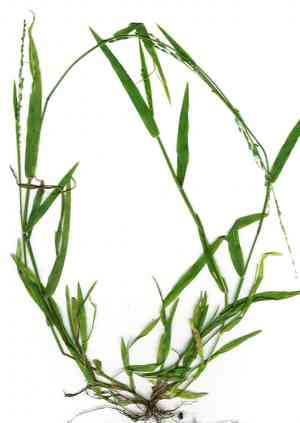
Silver tussock (Poa cita)
Also known as: silver tussock, wind grass
If you're seeking a graceful, tall grass suitable for coastal areas, consider *Ammophila*. This species is known for its wind tolerance and makes an excellent ground cover. The name "Ammophila" is derived from the Latin verb "amovere," meaning "to put into motion," which reflects the way its blades sway in the wind.
In This Article
Attributes of Silver tussock
Lifespan
Perennial
Plant Type
Grass
Plant Height
75 cm
Spread
60 cm
Leaf Color
Green Bronze
Flower Size
13 cm to 15 cm
Flower Color
Green Bronze
Images of Silver tussock
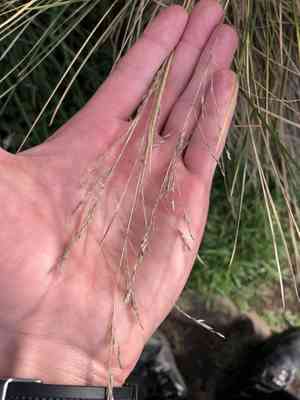
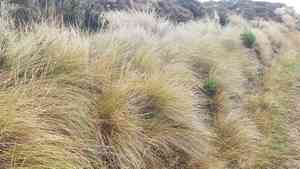
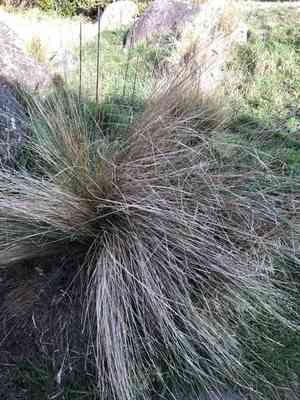
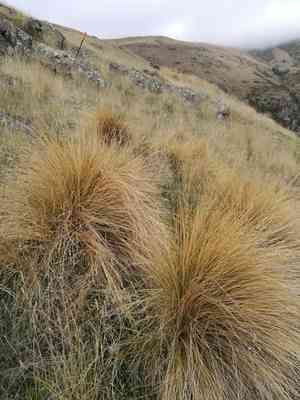
Quickly Identify Silver tussock
1
Upright clumping habit, 24-30 inches (60-76 cm) tall, 2 feet (60 cm) wide
2
Narrow, shiny, pale green leaves transitioning to green-brown with age
3
Arching flowering stems with loose bronze flower heads in summer
4
Tidy appearance with low-maintenance nature
Scientific Classification of Silver tussock
Phylum
Vascular plants
Class
Monocotyledons
Order
Poales
Family
Grass
Genus
Meadow-grasses
Species
Silver tussock
Planting and Growing of Silver tussock
Care Difficulty
Easy
Watering Schedule
Every 2 days
Sunlight Requirements
Full sun
Sunshine Duration
4-6 hours
Ideal Temperature
60-75℉
Soil Type
Potting Mix, Peat Mix
Soil pH
6.5-7.5
Fertilizer Type
Balanced
Pruning Season
Spring, Summer
Pruning Area
Branches, Leaves
Pruning Frequency
2 times a year
Repotting Season
Spring
Pot Type
Plastic, Ceramic
 How to Water Silver tussock?
Poa cita, commonly known as silver tussock, requires a delicate balance of moisture. Water approximately 300 ml at a time to ensure the soil remains moderately moist but never soggy. Let the top inch of soil dry out between waterings to mimic its natural environment.
What are the symptoms of an underwatered Silver tussock?
›
What should I do if my Silver tussock is not getting enough water?
›
What are the symptoms of an overwatered Silver tussock?
›
How to save an overwatered Silver tussock?
›
 What Are the Sunlight Requirements for Silver tussock?
Poa cita ideally flourishes under full to partial sun, with 6 to 8 hours of daily exposure boosting photosynthesis, ensuring robust growth and development.
More About Sunlight Requirements Techniques→
What is the ideal light exposure for Poa cita?
›
What solutions help achieve the ideal lighting conditions for Poa cita?
›
Why is obtaining ideal lighting beneficial for Poa cita?
›
 What Is the Ideal Temperature Range for Silver tussock?
The ideal temperature range for Poa cita, also known as Silver Tussock or Wī, is between 60°F and 75°F. This range allows the plant to optimize its photosynthesis and growth rate, ensuring robust health and vitality. Within these temperatures, the plant's cellular processes are at their most efficient, promoting lush and dense foliage. Cultivating Poa cita in this temperature range will support its development, making it more resilient to pest pressures and diseases.
 What Soil is Best for Silver tussock?
Poa cita thrives in well-drained soil where excess water can easily escape. This prevents root rot and improves overall plant health by providing sufficient oxygen to the roots. This grass prefers soil with moderate fertility; overly fertile soils may lead to excessive growth that can weaken the plant. Maintaining a balanced nutrient level supports robust growth and sustainable health. While drainage is crucial, Poa cita also benefits from soil that retains adequate moisture. This balance allows the grass to remain healthy without drying out too quickly, especially in warmer climates.
 How to Fertilize Silver tussock?
For Poa cita, it's essential to use a balanced amount of fertilizer to avoid nutrient burn. Apply liquid fertilizer at half the recommended strength when using a general-purpose type. For solid fertilizers, use about 100 grams per square meter. This conservative approach ensures the plant gets enough nutrients without the risk of over-fertilization.
 How to Prune Silver tussock?
Begin by identifying any dead or damaged foliage. These can be recognized by their brown or yellow appearance. Remove them using sharp scissors to encourage new growth. Trim back any wispy or overly long growth to maintain a neat appearance. This also prevents the grass from becoming too sparse, keeping it denser and bushier. Shape the plant by trimming the outer edges evenly. Aim for a rounded, natural appearance, avoiding harsh or straight lines for the best display of Poa cita.
More About Pruning Techniques→
 How to Propagate Silver tussock plant?
1
Fill seed trays with a well-draining potting mix. Moisten the soil lightly before sowing the seeds, ensuring an even distribution of moisture for optimal germination.
2
Scatter the Poa cita seeds thinly over the prepared seed tray and lightly press them into the soil surface. Cover with a thin layer of soil or vermiculite to protect them and enhance germination rates.
3
Use a garden fork to carefully lift the mature Poa cita plant from the ground. Separate the plant into smaller clumps, ensuring each division has its own root system and several shoots.
 How to Repot Silver tussock plant?
1
Repot Poa cita when you notice roots growing through the drainage holes or when the plant looks crowded in its pot. These are clear indicators that it's time for a larger space to accommodate healthy growth.
2
Select a pot that is just one size larger than the current one, with adequate drainage holes. This ensures excess water can drain away, preventing root rot and promoting a healthy root environment.
3
Opt for a well-draining sandy soil mix to replicate the plant's native habitat. This type of soil provides excellent drainage and aeration, vital for preventing waterlogging and encouraging robust growth.



