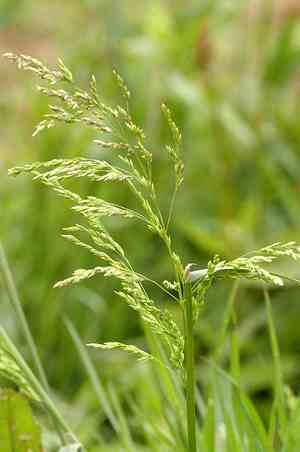
Canada bluegrass (Poa compressa)
Also known as: Canadian bluegrass
Canada bluegrass, originally native to Europe, is often found as an introduced species in various regions. Its scientific name, *Poa compressa*, derives from the Greek word "poa," meaning "grass," and "compressa," indicating its distinctive flattened stems.
In This Article
Attributes of Canada bluegrass
Lifespan
Perennial
Plant Type
Grass
Plant Height
10 cm to 61 cm
Spread
Not widely spread, usually in clumps
Leaf Color
Blue-green
Flower Size
5 mm to 1 cm
Flower Color
White Yellow Green Brown
Images of Canada bluegrass
Quickly Identify Canada bluegrass
1
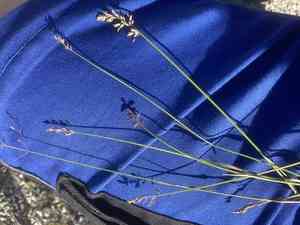
Flattened, wiry stem structure distinguishes it with a blue-green coloration.
2
Leaves with boat-shaped tips, narrow, and 2-4 inches (5-10 cm) long.
3
Forms tufts reaching 1-2 feet (30-60 cm) in height.
4
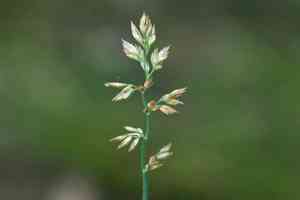
Produces slender, branched flowering head extending beyond foliage.
5
Delicate and airy appearance during blooming season.
Scientific Classification of Canada bluegrass
Phylum
Vascular plants
Class
Monocotyledons
Order
Poales
Family
Grass
Genus
Meadow-grasses
Species
Canada bluegrass
Planting and Growing of Canada bluegrass
Care Difficulty
Easy
Watering Schedule
Every 3 days
Sunlight Requirements
Full sun
Sunshine Duration
4-6 hours
Ideal Temperature
59-77℉
Soil Type
Potting Mix, Peat Mix
Soil pH
6.5-7.5
Fertilizer Type
Balanced
Pruning Season
Spring, Summer
Pruning Area
Branches, Leaves
Pruning Frequency
2 times a year
Repotting Season
Spring
Pot Type
Plastic, Ceramic
 How to Water Canada bluegrass?
For Poa compressa, aim for a watering amount of about 150 milliliters per session. The key to watering this grass effectively is to ensure that the soil is moistened but never waterlogged. Aim to saturate the top 2-3 inches of soil without creating any standing water. This helps maintain a balance, preventing both dryness and overhydration.
What are the symptoms of an underwatered Canada bluegrass?
›
What should I do if my Canada bluegrass is not getting enough water?
›
What are the symptoms of an overwatered Canada bluegrass?
›
How to save an overwatered Canada bluegrass?
›
 What Are the Sunlight Requirements for Canada bluegrass?
Poa compressa ideally receives full sun to partial sun, benefiting from consistent light exposure. This light range enhances growth rate, fortifies foliage, and improves plant resilience against environmental stress.
What is the best light condition for Poa compressa?
›
How can I achieve these ideal lighting conditions?
›
What are the benefits of providing ideal light for Poa compressa?
›
 What Is the Ideal Temperature Range for Canada bluegrass?
The ideal temperature range for Poa compressa, or Canada Bluegrass, is between 59°F and 77°F. Maintaining this temperature range can ensure optimal growth and health for the plant, promoting lush, dense foliage and an extensive root system. Within this range, photosynthesis and other metabolic processes function efficiently, which supports healthy and vibrant plant development.
 What Soil is Best for Canada bluegrass?
Poa compressa thrives in well-drained soil that prevents root rot and ensures optimal nutrient uptake. Such conditions promote healthy growth and prevent waterlogged environments that can cause plant diseases. This grass does well with moderate moisture levels, ensuring the soil is neither too dry nor too wet. Moisture that's just right supports active growth without stressing the plant due to drought or water-saturated conditions. A rich, nutrient-dense soil enhances the vigor and resilience of Poa compressa, ensuring it can withstand environmental pressures and maintain a lush, green appearance throughout the growing season.
 How to Fertilize Canada bluegrass?
For Poa compressa, apply liquid fertilizer at a half-strength solution. Typically, using 1 tablespoon of fertilizer per gallon of water suffices. For solid fertilizer, use 1 pound per 100 square feet, ensuring it is spread evenly over the area.
 How to Prune Canada bluegrass?
Start by identifying when your Poa compressa is due for pruning, ideally on a monthly basis throughout Spring, Summer, and Autumn. Choose a cool morning or late afternoon to avoid heat stress on the plant. When making cuts, ensure you cut just above a growth node. This technique promotes healthy new growth. Avoid cutting too close to the node to prevent damage, and leave a small margin above it. Survey your grass for any dead or dying blades. These should be removed to improve the plant's overall appearance and prevent any potential diseases from spreading. Carefully snip these away without disturbing healthy blades.
More About Pruning Techniques→
 How to Propagate Canada bluegrass plant?
1
Fill a seed tray with a well-draining seed starting mix. Moisten the soil slightly before sowing the Poa compressa seeds. Ensure the seeds are barely covered with soil to allow for light penetration, which aids in germination.
2
To divide Poa compressa, carefully dig around the base of the plant with a garden fork. Lift the clump from the soil and gently separate into smaller sections, ensuring each division has a portion of the root system intact.
3
Prepare the planting site by loosening the soil. Place each Poa compressa division into the soil, ensuring the crown is at the ground level. Firmly press the soil around each division to eliminate air pockets and water immediately after planting.
 How to Repot Canada bluegrass plant?
1
Poa compressa shows signs like yellowing leaves and stunted growth when it's time for repotting. If you notice the roots are spiraling around the edges of the pot, or the plant simply appears to be suffering despite adequate care, these are clear indicators it needs a new pot.
2
Select a pot that's about 2 inches wider than the current one to give your plant room to grow. Ensure it has drainage holes to prevent waterlogging, which can lead to root rot. A terracotta pot is ideal because it allows the soil to breathe, promoting healthier root systems.
3
Opt for a well-draining soil mix that holds moisture yet allows excess water to escape. This type of soil supports root aeration and prevents root diseases, aiding in overall plant health and ensuring a robust Poa compressa.



