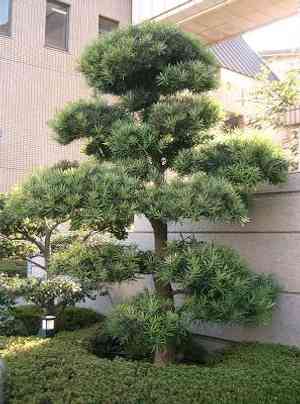
Buddhist pine (Podocarpus macrophyllus)
Also known as: Fern pine, Japanese yew
The Juniper (*Juniperus*) is a medium-sized evergreen conifer frequently cultivated as a bonsai, an art form rooted in Japanese horticulture. It holds significant value in Feng Shui for its auspicious qualities. However, it's important to handle the tree with care, as it contains a mild toxin called thujone.
In This Article
Attributes of Buddhist pine
Lifespan
Perennial
Plant Type
Tree
Plant Height
5 m to 20 m
Spread
4.5 m to 6 m
Leaf Color
Green
Flower Size
N/A (Gymnosperm, does not produce true flowers)
Flower Color
Yellow Green Gold
Images of Buddhist pine
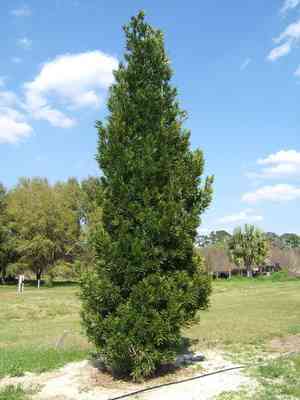
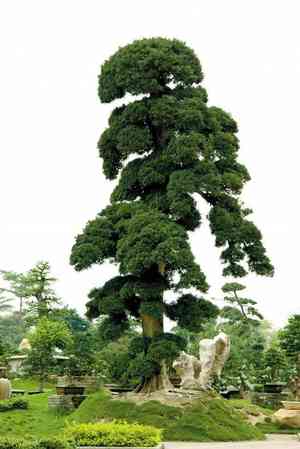
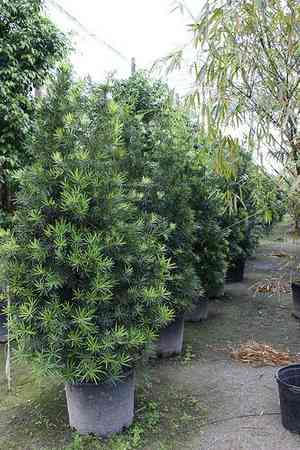
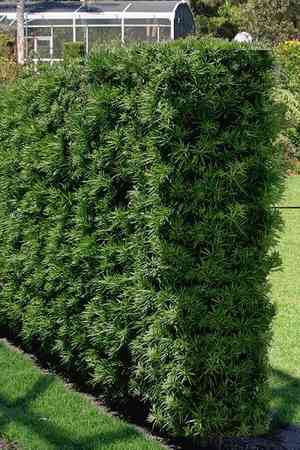
Quickly Identify Buddhist pine
1
Linear-lanceolate leaves with raised midrib on both sides, emitting fragrance when crushed.
2
Pollen cones instead of flowers, yellowish, 1-2 inch long, characteristic of gymnosperms.
3
Compact growth habit, evergreen nature, reaching 6.5 feet as shrub and 50 feet as tree.
4
Small purplish, fleshy aril fruit with 1-2 seeds, caution for poisonous seeds.
5
Dark green, narrow, leathery leaves measuring 5-10 cm, with a yew-like appearance.
Scientific Classification of Buddhist pine
Phylum
Vascular plants
Class
Conifers
Order
Pines and allies
Family
Podocarpus
Genus
Plum pines
Species
Buddhist pine
Planting and Growing of Buddhist pine
Care Difficulty
Easy
Watering Schedule
Every 3 days
Sunlight Requirements
Partial sun
Sunshine Duration
4-8 hours
Ideal Temperature
60-77℉
Soil Type
Potting Mix, Peat Mix
Soil pH
6.5-7.5
Fertilizer Type
Balanced
Pruning Season
Spring, Summer
Pruning Area
Branches, Leaves
Pruning Frequency
2 times a year
Repotting Season
Spring
Pot Type
Plastic, Ceramic
 How to Water Buddhist pine?
Podocarpus macrophyllus prefers to be watered generously but not drenched. Watering should be sufficient to moisten the entire root ball, usually around 250 ml per watering, ensuring the water reaches the lower roots but doesn't leave the soil soggy.
More About Watering Techniques→
What are the symptoms of an underwatered Buddhist pine?
›
What should I do if my Buddhist pine is not getting enough water?
›
What are the symptoms of an overwatered Buddhist pine?
›
How to save an overwatered Buddhist pine?
›
 What Are the Sunlight Requirements for Buddhist pine?
Podocarpus macrophyllus flourishes in partial sunlight, allowing the plant to harness sufficient energy for physiological functions while avoiding the dangers of leaf burn. Ideal light encourages enhanced growth rate, vivid foliage coloration, and robust resistance.
More About Sunlight Requirements Techniques→
What is the ideal amount of sunlight for Podocarpus macrophyllus?
›
How can you ensure Podocarpus macrophyllus receives its ideal light?
›
What benefits does Podocarpus macrophyllus gain from ideal sunlight?
›
 What Is the Ideal Temperature Range for Buddhist pine?
Podocarpus macrophyllus thrives best in temperatures ranging from 60°F to 77°F. This range provides a balanced environment that supports healthy leaf growth and overall plant vitality. Consistent temperatures within this range help maintain physiological processes critical for optimal growth and development.
 What Soil is Best for Buddhist pine?
Podocarpus macrophyllus prefers soil that has excellent drainage, preventing waterlogged conditions. This trait ensures root health and reduces the risk of root rot, promoting vigorous growth. The plant thrives in soils that maintain moisture without becoming overly saturated. Proper moisture retention is crucial for consistent nutrient uptake and avoiding stress during drier periods. A soil enriched with organic matter like compost or peat enhances fertility and promotes robust growth. The organic content provides essential nutrients and supports beneficial soil microorganisms.
More About Soil→
 How to Fertilize Buddhist pine?
For Podocarpus macrophyllus, the appropriate fertilizer amount should be moderate. Typically, one should apply a balanced liquid fertilizer diluted to half strength. When using granular fertilizers, aim for a tablespoon per square foot of planting area.
 How to Prune Buddhist pine?
While regular pruning is beneficial, over-pruning can inhibit the plant's natural growth. Ensure you don't remove more than one-third of the plant's volume at once to avoid stressing it excessively, which can lead to stunted growth or even plant decline. Avoid pruning during extremely hot or cold weather to minimize stress on the plant. Opt for mild conditions, typically avoiding the harshest times in mid-summer or deep winter, to ensure the plant has an optimal environment for recovery and regrowth.
More About Pruning Techniques→
 How to Propagate Buddhist pine plant?
1
Collect seeds from a mature Podocarpus macrophyllus fruit. Clean and dry the seeds for a few days before planting to reduce the risk of fungal infection.
2
Select a healthy stem from the Podocarpus plant. Using pruning shears, make a clean cut below a node and remove any lower leaves to prevent rot during rooting.
3
For layering, select a low branch and bend it to the soil. Gently scrape the bark at the point of contact with the soil and cover it with a mixture of soil and compost.
 How to Repot Buddhist pine plant?
1
You should consider repotting your Podocarpus macrophyllus when you observe roots coming out of the drainage holes or the soil dries more rapidly than usual after watering. These are signs that the plant has outgrown its current pot and needs more space to thrive. Ideally, repot during spring or autumn when the plant is less stressed and can recover quickly from the shock of repotting.
2
When choosing a pot for your Podocarpus macrophyllus, opt for one that is slightly larger than the current pot, with ample drainage holes at the bottom. The extra space will allow the roots to expand comfortably. Additionally, selecting a pot with a depth that matches the plant's height will provide stability as it grows. Using a pot with adequate drainage prevents waterlogging, reducing the risk of root rot.
3
The ideal soil for repotting Podocarpus macrophyllus should be well-draining and slightly acidic. A mix that includes components like peat moss, pine bark, and perlite or sand will provide the structure, aeration, and acidity that this plant prefers. Such soil composition helps in preventing excess moisture retention, which can lead to root diseases, while supporting healthy growth.
Toxicity
ingestion, skin contact
WARNING
The judgment on toxicity and danger is for reference only. We DO NOT GUARANTEE any accuracy of such judgment. Therefore, you SHALL NOT rely on such judgment. It is IMPORTANT TO SEEK PROFESSIONAL ADVICE in advance when necessary.



