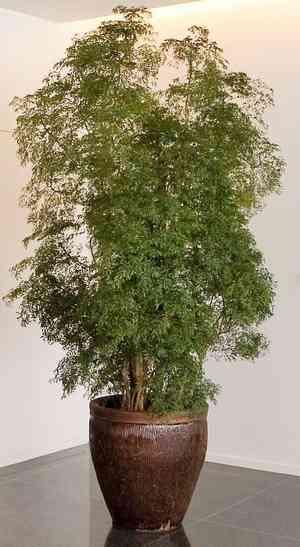
Ming aralia (Polyscias fruticosa)
Also known as: Ming Aralia, Chinese Panax, Parsley Aralia
The Ming Aralia (Polyscias fruticosa) is a slow-growing houseplant that can attain a height of 1 to 2 meters. It features dark green, glossy leaves and is admired for its intricate, interwoven foliage. Additionally, the plant develops distinct gnarls on its trunk, often where older branches have withered away, adding to its unique charm.
Attributes of Ming aralia
Images of Ming aralia
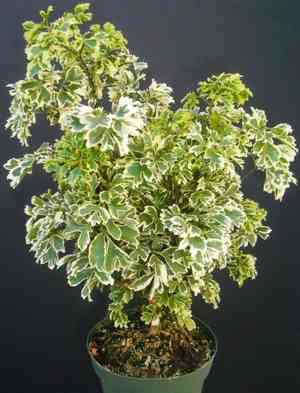
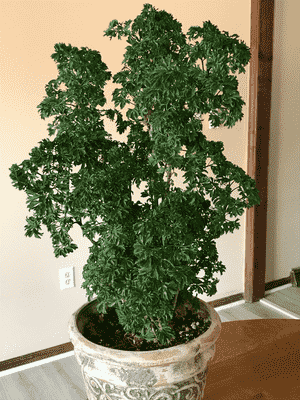
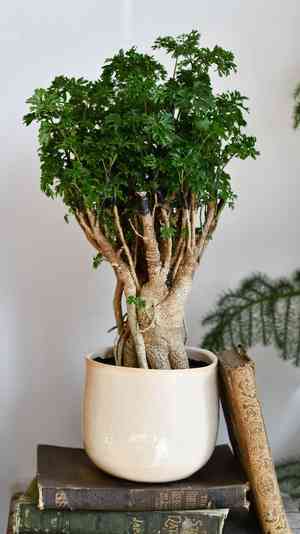
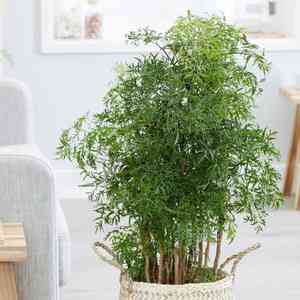
Quickly Identify Ming aralia
Scientific Classification of Ming aralia
Planting and Growing of Ming aralia
 How to Water Ming aralia?
 What Are the Sunlight Requirements for Ming aralia?
 What Is the Ideal Temperature Range for Ming aralia?
 What Soil is Best for Ming aralia?
 How to Fertilize Ming aralia?
 How to Prune Ming aralia?
 How to Propagate Ming aralia plant?
 How to Repot Ming aralia plant?
Toxicity of Ming aralia
Is Ming aralia toxic to cat?
Ming aralia represents a significant danger to the health of cats, as every part of this plant is poisonous to them. Should a cat accidentally ingest any portion, it may experience physical discomfort as a result. It is crucial to seek immediate veterinary assistance if a cat comes into contact with ming aralia. Quick action can avert more serious health issues, emphasizing the importance for pet owners to respond swiftly when ingestion is suspected.
Is Ming aralia toxic to dog?
Ming aralia is identified as harmful to dogs. When dogs accidentally consume any part of this plant or do so out of curiosity, they risk being poisoned. Given that every part of the ming aralia is toxic, it is essential for dog owners to keep their pets away from the plant entirely. Symptoms of poisoning in dogs may manifest as vomiting, diarrhea, excessive drooling, weakness, and alterations in behavior. Should a dog display any of these symptoms after being exposed to ming aralia, it is crucial to obtain prompt veterinary attention to secure the best possible outcome for the pet.



