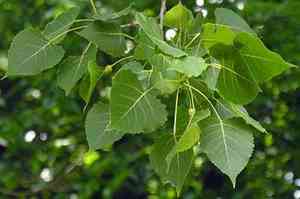
Eastern cottonwood (Populus deltoides)
Also known as: Plains cottonwood
The Eastern cottonwood is a rapidly growing, short-lived hardwood native to North America. This tree is notable for its unique seed dispersal method—its seeds are covered in fluffy fibers that allow them to be carried by the wind, creating a temporary "snow" effect. Eastern cottonwood is commonly grown for its lightweight wood, which is used in making furniture, plywood, and various other wood products.
In This Article
Attributes of Eastern cottonwood
Lifespan
Perennial
Plant Type
Tree
Plant Height
20 m to 60 m
Spread
11 m to 18 m
Leaf Color
Green
Flower Size
1 mm to 3 mm
Flower Color
Green Red
Images of Eastern cottonwood
Quickly Identify Eastern cottonwood
1
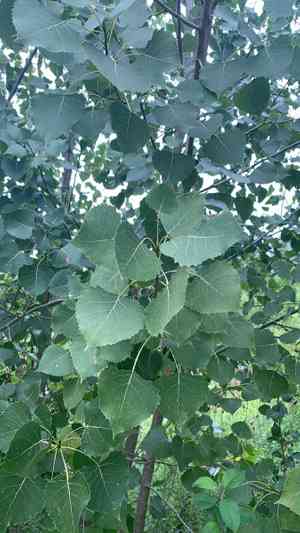
Smooth, glossy triangular leaves with coarse teeth, 3-6 inches (7.6-15.2 cm) long and up to 4 inches (10 cm) wide.
2
Distinctive yellow-green twigs with elongated catkins measuring 2-4.5 inches (5-11.4 cm) in spring.
3
Male catkins with red stamens and female catkins with yellow stigmas and green ovary, blooming March-April.
4
Egg-shaped green capsules with cottony seeds, 0.31-0.47 inches (8-12 mm) long, for wind dispersal.
5
Transformative bark from smooth, greenish-gray to ashy gray with deep furrows, aiding in age identification.
Scientific Classification of Eastern cottonwood
Phylum
Vascular plants
Class
Dicotyledons
Order
Malpighiales
Family
Willow
Genus
Populus
Species
Eastern cottonwood
Planting and Growing of Eastern cottonwood
Care Difficulty
Easy
Watering Schedule
Every 8 days
Sunlight Requirements
Full sun
Sunshine Duration
6-10 hours
Ideal Temperature
70-85℉
Soil Type
Potting Mix, Peat Mix
Soil pH
6-7.5
Fertilizer Type
Balanced
Pruning Season
Spring, Summer
Pruning Area
Branches, Leaves
Pruning Frequency
2 times a year
Repotting Season
Spring
Pot Type
Plastic, Ceramic
 How to Water Eastern cottonwood?
Populus deltoides thrives with a balanced moisture level. It's optimal to ensure the soil remains consistently damp but not waterlogged. Aim for approximately 1500 milliliters of water per tree at each session, allowing the water to deeply penetrate into the soil rather than just settling on the surface. This fosters strong root development, crucial for the tree's health.
More About Watering Techniques→
What are the symptoms of an underwatered Eastern cottonwood?
›
What should I do if my Eastern cottonwood is not getting enough water?
›
What are the symptoms of an overwatered Eastern cottonwood?
›
How to save an overwatered Eastern cottonwood?
›
 What Are the Sunlight Requirements for Eastern cottonwood?
It's ideally suited to environments with full to partial sunlight, benefiting from a consistent and abundant light source to maintain healthy growth and vibrant foliage.
More About Sunlight Requirements Techniques→
What type of sunlight does Populus deltoides prefer?
›
How can I ensure Populus deltoides gets ideal lighting?
›
What benefits does ideal lighting provide for Populus deltoides?
›
 What Is the Ideal Temperature Range for Eastern cottonwood?
For Populus deltoides, maintaining an optimal temperature range is essential for robust growth and development. A temperature between 70°F and 85°F ensures that the tree has the right environment to metabolize nutrients effectively, promoting strong growth. The ideal temperature facilitates the best physiological processes, such as photosynthesis and respiration, which are crucial for the tree's health and longevity.
 What Soil is Best for Eastern cottonwood?
Populus deltoides thrives in well-drained soil, which prevents waterlogged conditions that can damage roots. This type of soil helps in maintaining proper aeration, promoting healthy growth and vigor for the plant. This plant requires soil that maintains some moisture to support its rapid growth rate. Adequate moisture in the soil provides the necessary hydration to sustain its extensive foliage and develop a strong root system. Nutrient-rich soil enhances the growth of Populus deltoides by providing essential elements for photosynthesis and overall plant health. Such soil supports the quick recovery from any leaf drop and encourages lush greenery.
More About Soil→
 How to Fertilize Eastern cottonwood?
For Populus deltoides, it's optimal to use a balanced fertilizer with an NPK ratio of 10-10-10 or similar. Applying liquid fertilizer, use about 1 gallon per inch of trunk diameter, ensuring not to over-fertilize, which can damage roots.
More About Fertilizing Techniques→
 How to Prune Eastern cottonwood?
Look for any dead, diseased, or crossing branches. These should be your primary targets for removal, as they can hinder growth and spread disease. For small branches, make clean cuts just outside the branch collar. For larger branches, use a three-cut technique to prevent bark tearing, which involves an undercut, followed by an overcut further out, and a final cut to remove the stub. Focus on maintaining the natural shape of the tree while enhancing air flow and light penetration. This encourages healthier growth and reduces the risk of fungal infections.
More About Pruning Techniques→
 How to Propagate Eastern cottonwood plant?
1
To propagate Populus deltoides from seed, first, collect mature seeds from the tree in the late spring. Ensure the seeds are dry and free from any plant debris. You can use paper bags to collect and store the seeds until you're ready to plant them.
2
For cutting propagation, select healthy branches from the parent tree in early spring. Cut sections that are about 6-12 inches long. Ensure each cutting has multiple nodes, as this is where roots will emerge. Remove leaves from the bottom half of the cutting.
3
Root cutting propagation is best done in early summer when the plant is actively growing. Use a sharp knife to remove sections of root from an established tree. Each section should be around 2-4 inches long. Plant them horizontally in moist soil to encourage new growth.
 How to Repot Eastern cottonwood plant?
1
Populus deltoides should be repotted when you notice roots coming out of the drainage holes, indicating potential root bound conditions, or when the plant's growth has significantly slowed despite normal care. This typically happens every few years as the plant spreads its roots, seeking more space.
2
Select a pot that's one size bigger than the current one, ensuring it has adequate drainage holes to prevent waterlogging. The new pot should provide spacious room for growth without being excessively large, which helps in minimizing the risk of root rot and encourages healthy development.
3
Choose a well-draining loamy soil rich in organic material for repotting. This type of soil retains sufficient moisture while allowing excess water to escape, thus providing the optimal growing conditions for Populus deltoides and enhancing root aeration and nutrient absorption.



